Jerk chicken tastes like jerk because of three specific flavor compounds that are unique to its preparation: eugenol from allspice (the warm, complex spice note), capsaicin and aromatic terpenes from scotch bonnet (the distinctive fruity heat), and Maillard reaction products from high-heat caramelization (the char and caramelized exterior). These three elements together — and only together — produce the flavor that is instantly identifiable as Jamaican jerk. Change any one of them and you no longer have jerk.
Allspice: The Primary Flavor Driver
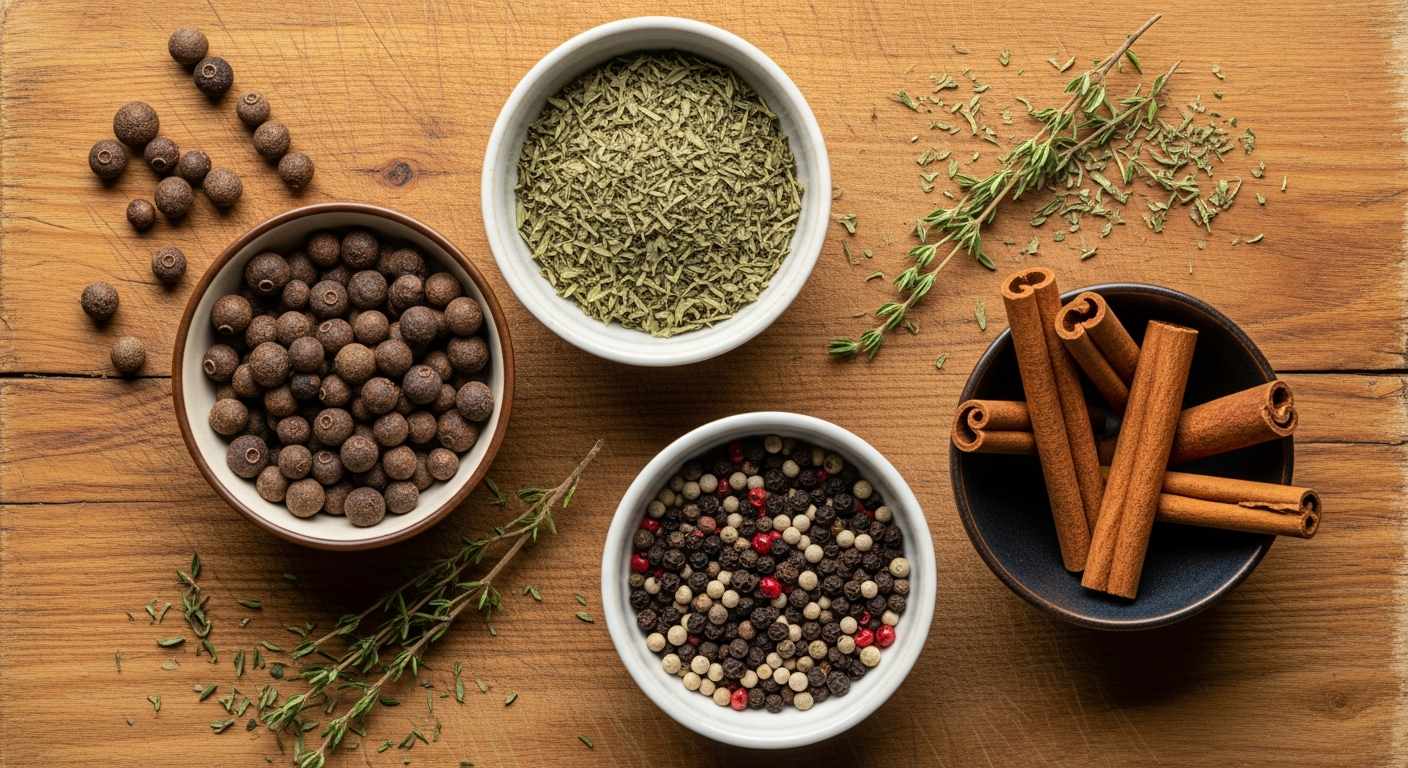
Allspice (Pimenta dioica) contains eugenol as its primary aromatic compound — the same compound found in cloves, cinnamon, and black pepper. This is why allspice smells simultaneously like all three, and it is why the flavor of jerk chicken has that distinctive warm, complex, baking-spice depth. No other spice has the same compound profile. This is why allspice cannot be substituted in jerk cooking — a "substitute" of cinnamon + cloves + black pepper produces an approximation but not the same result because eugenol in allspice is structurally different from the eugenol in those individual spices combined.
Scotch Bonnet: The Fruity Heat
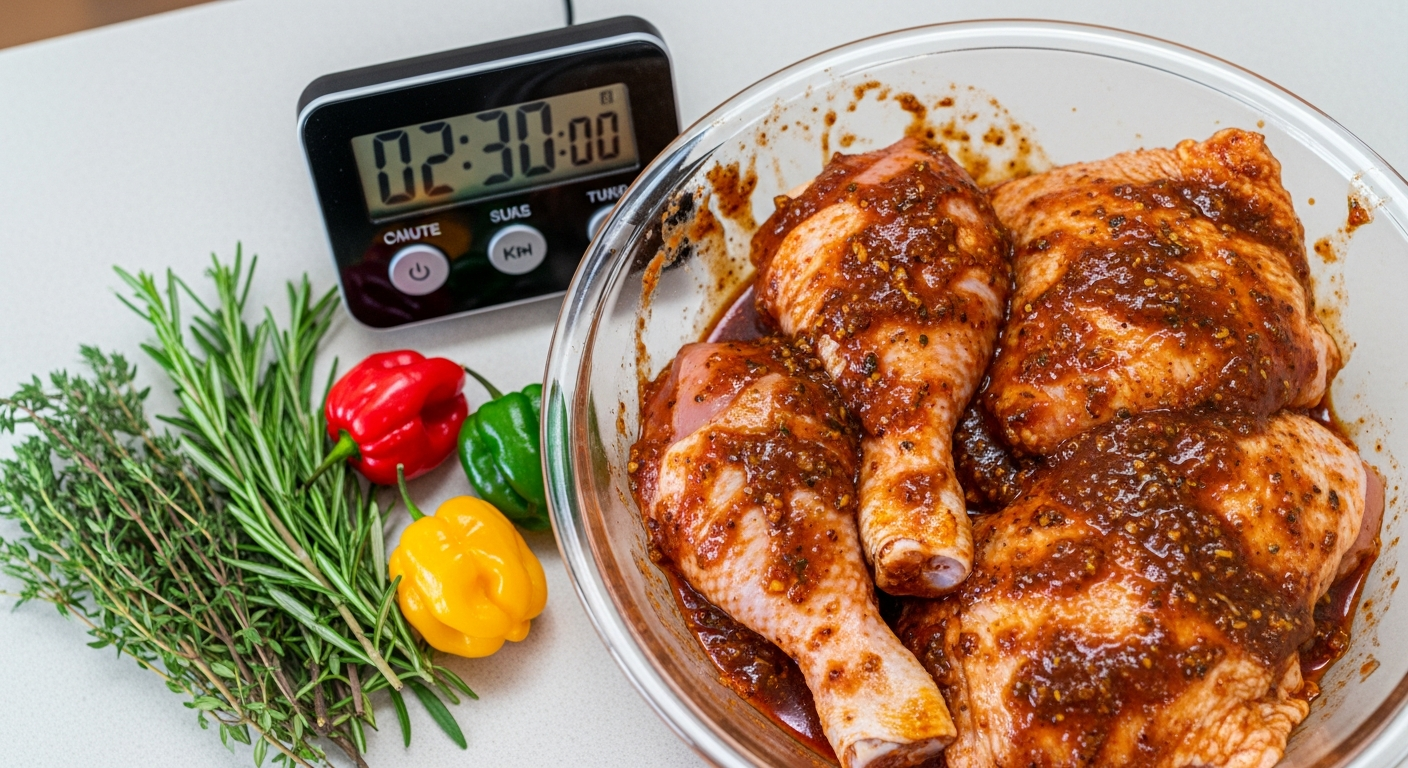
Scotch bonnet peppers provide both heat (capsaicin) and distinctive aromatic compounds (terpenes, specifically ones that produce fruity, floral aromas resembling apricot, apple, and tropical flowers). This dual contribution — heat AND aroma — is what separates authentic jerk from spiced grilled chicken made with other chili peppers. Cayenne pepper provides heat but no fragrant terpenes. Jalapeño provides mild heat and grassy flavor. Only habanero (same species as scotch bonnet) comes close to replicating the specific fruity aromatic quality of scotch bonnet. The combination of eugenol from allspice + fruity terpenes from scotch bonnet creates the flavor fingerprint that makes jerk instantly recognizable.
The Caramelized Char
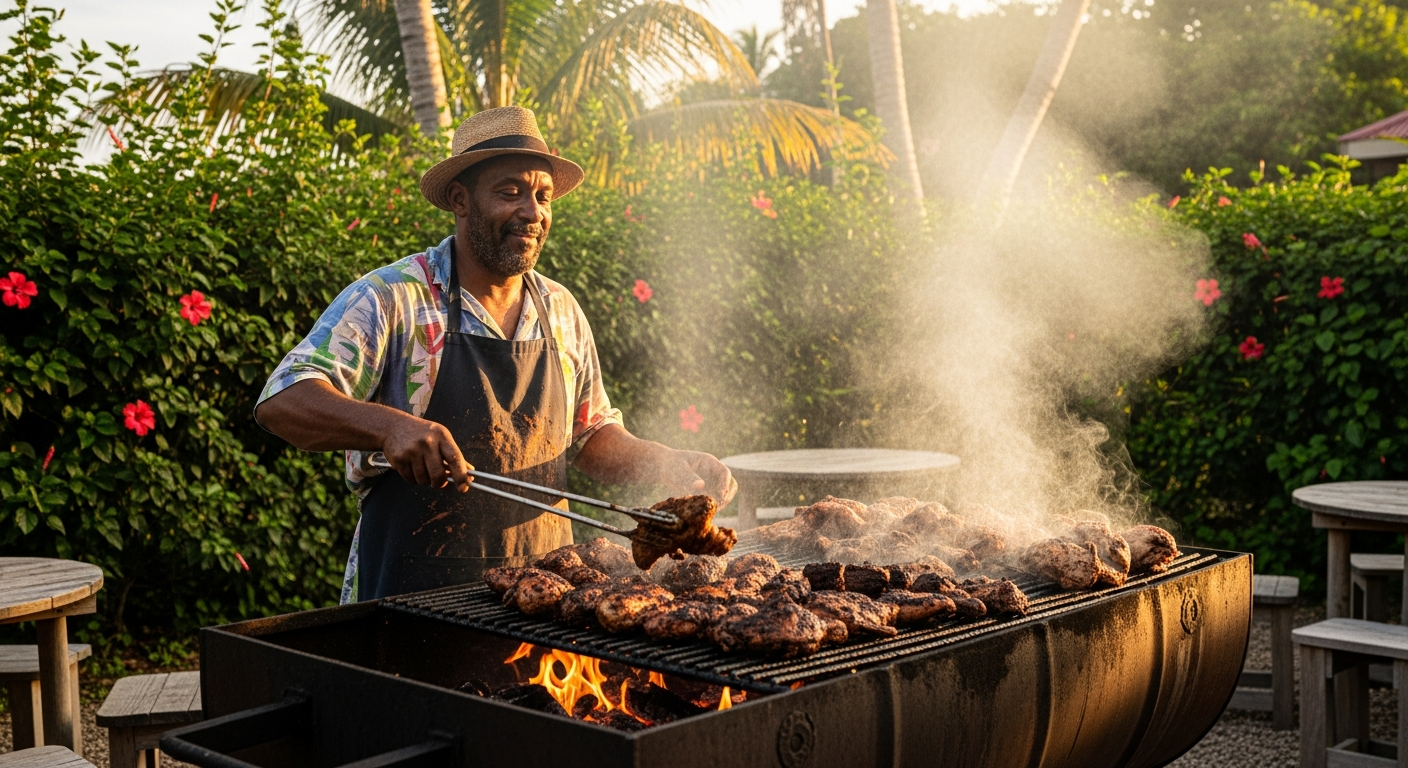
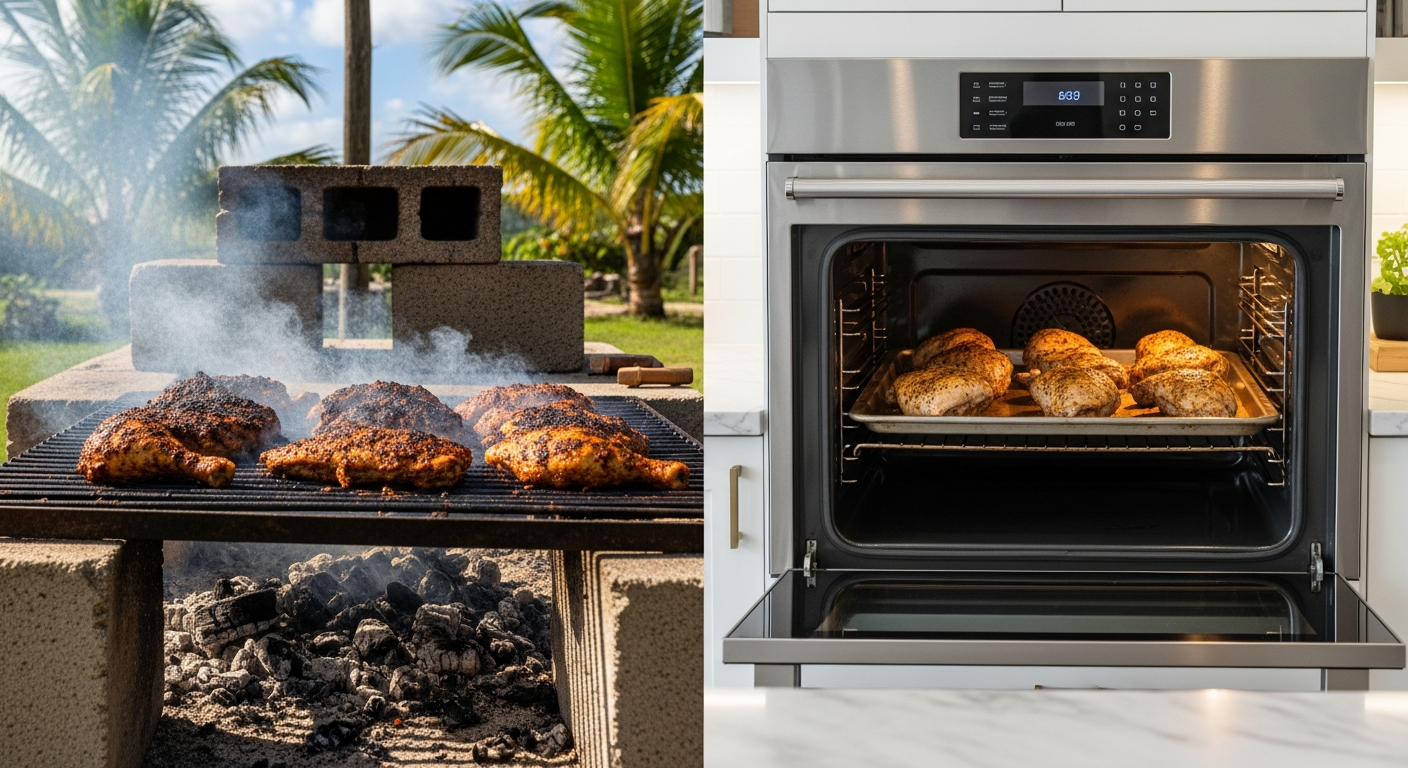
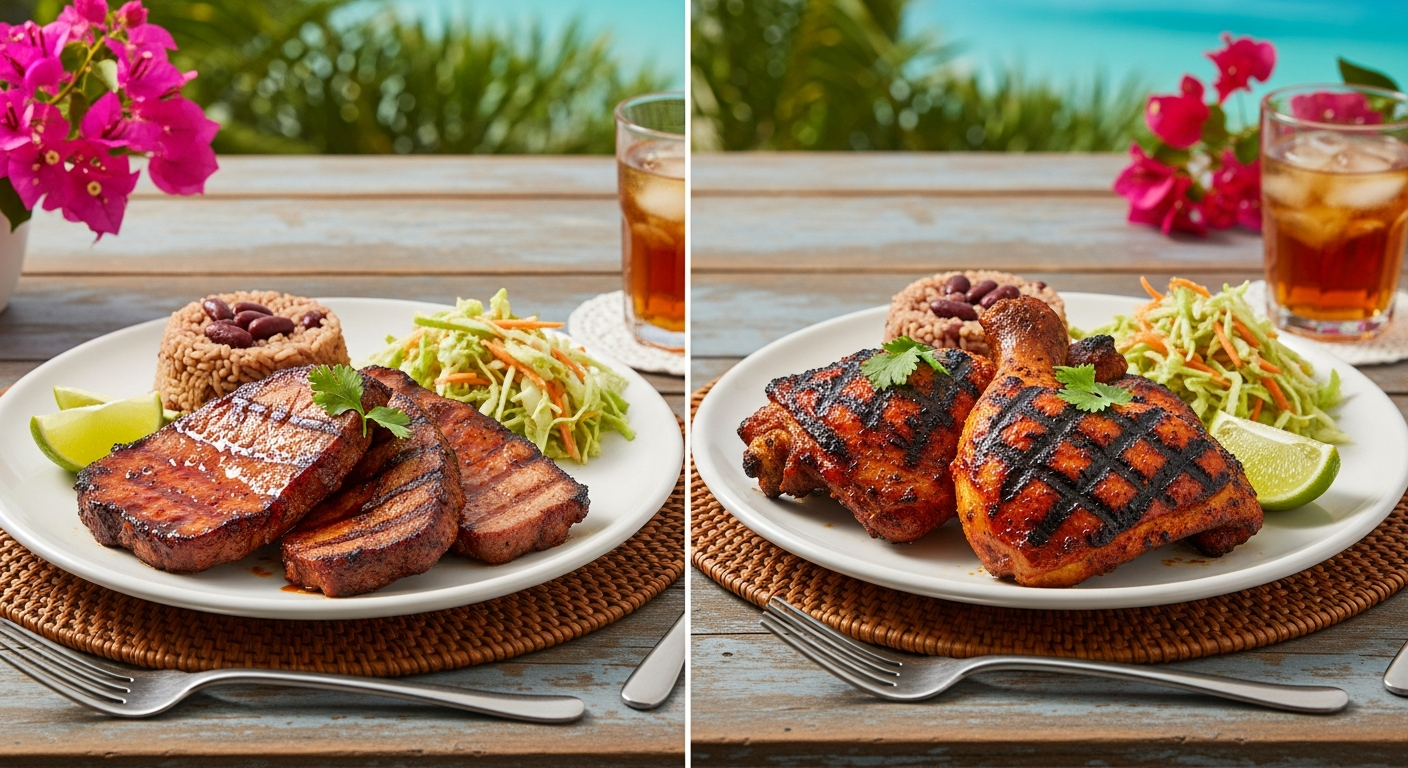
Brown sugar in jerk marinade caramelizes at approximately 320°F, producing hundreds of distinct flavor compounds through the Maillard reaction. These compounds include furans, pyrazines, and lactones — which together produce the complex, slightly bitter, deeply savory-sweet flavor of properly caramelized jerk chicken exterior. The char from high heat creates additional flavor compounds that add smoky depth. This caramelized exterior is not just aesthetically important — it is a distinct flavor component that is absent from oven-steamed or sous-vide jerk preparations, no matter how well seasoned.
The Supporting Flavor Elements
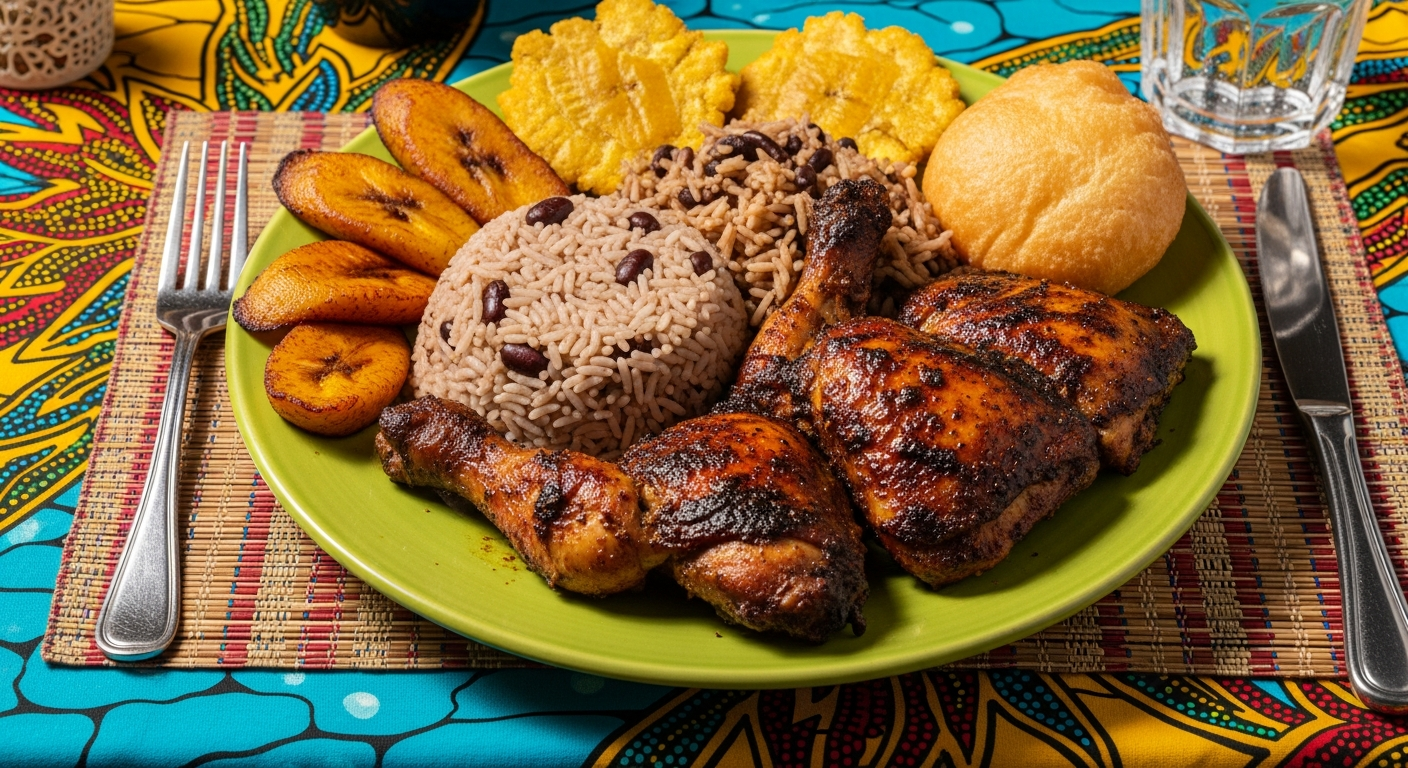
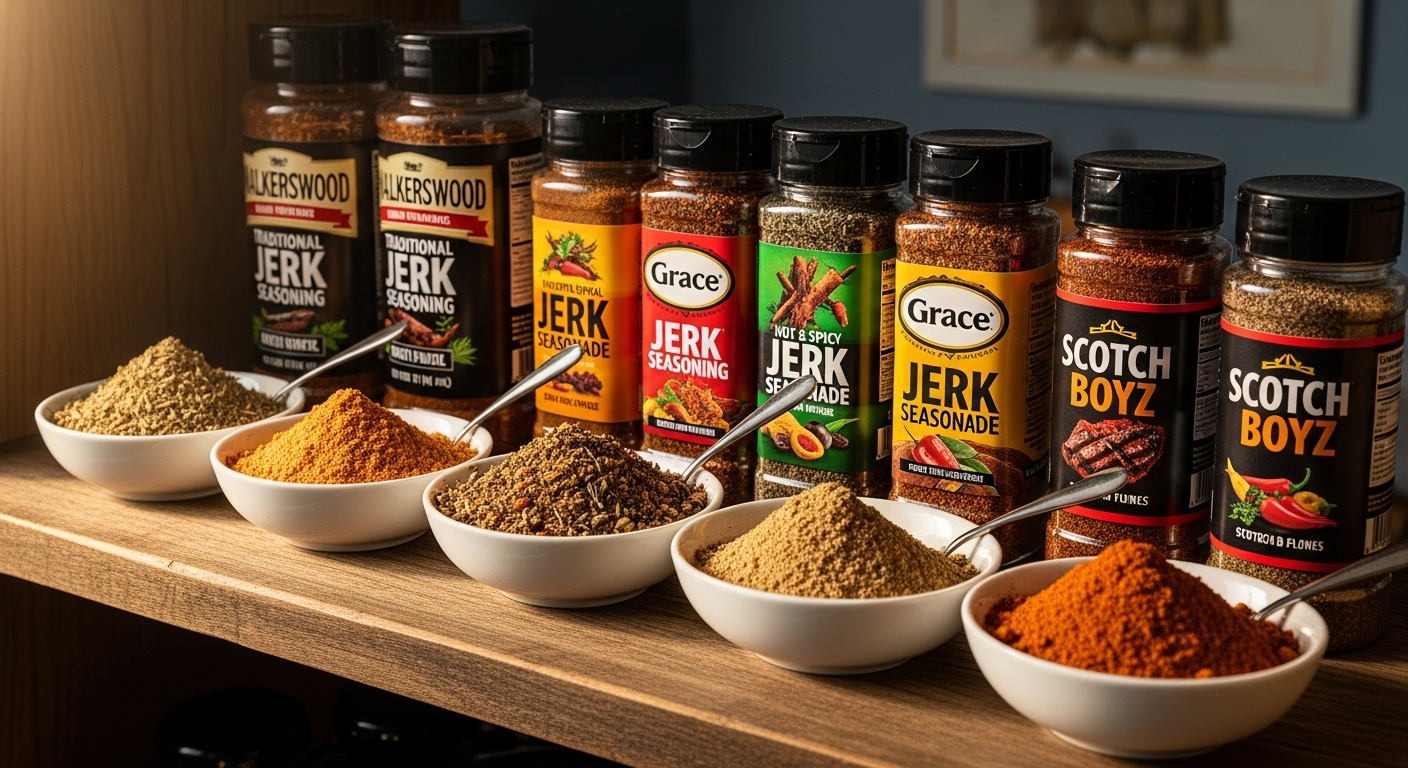
Thyme provides thymol — a herbaceous, slightly medicinal note that brightens the overall profile. Scallion and garlic provide allyl sulfides — the pungent, savory base familiar from all allium cooking. Ginger provides gingerol and shogaol — warming citrus-spice compounds. Soy sauce provides glutamates — umami depth that increases perceived savoriness. Brown sugar adds sucrose for caramelization. Lime juice adds citric acid for brightness and tenderizing. Together these supporting elements add complexity around the central allspice-scotch bonnet axis. The jerk marinade recipe balances all these elements carefully. For the best ready-made products that deliver this profile, see our jerk seasoning guide. For what to serve with the result, see our pairing guide.