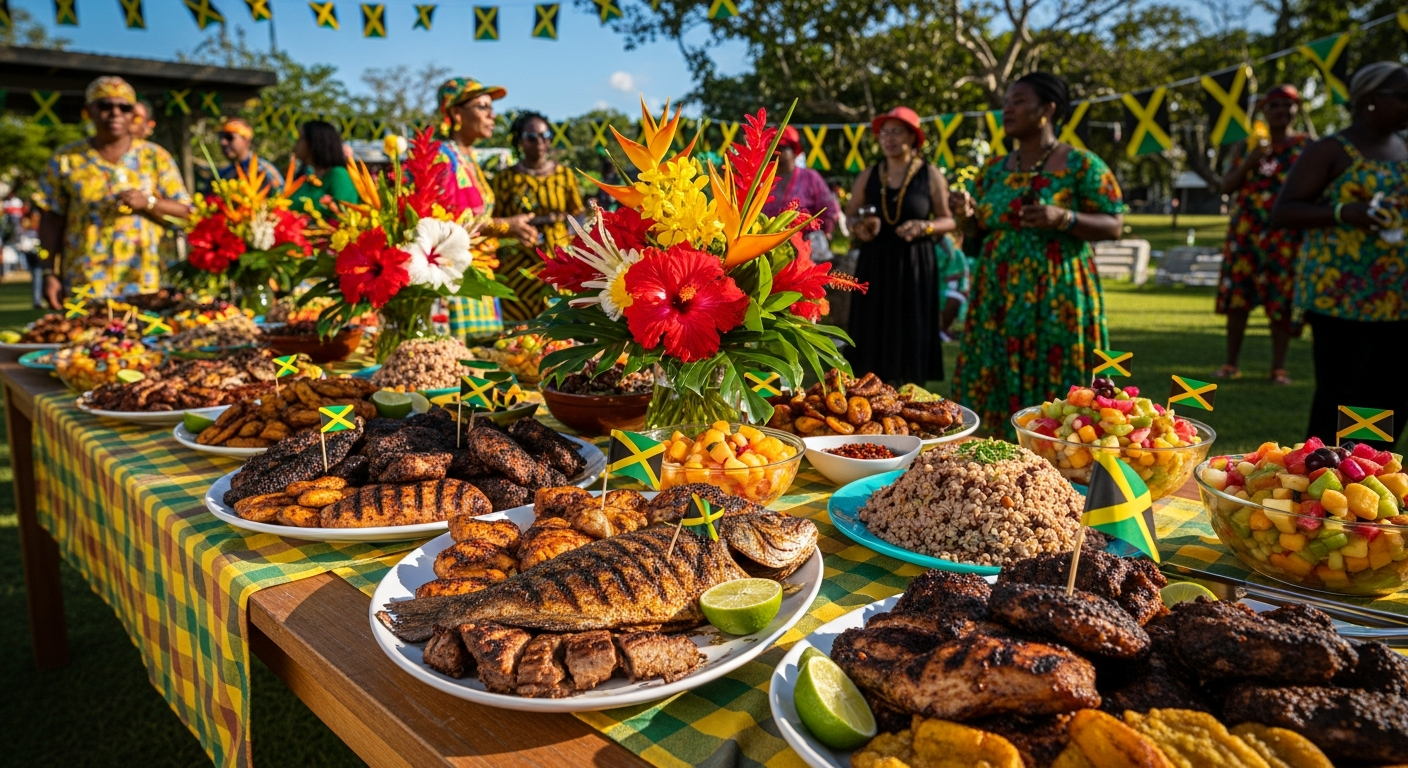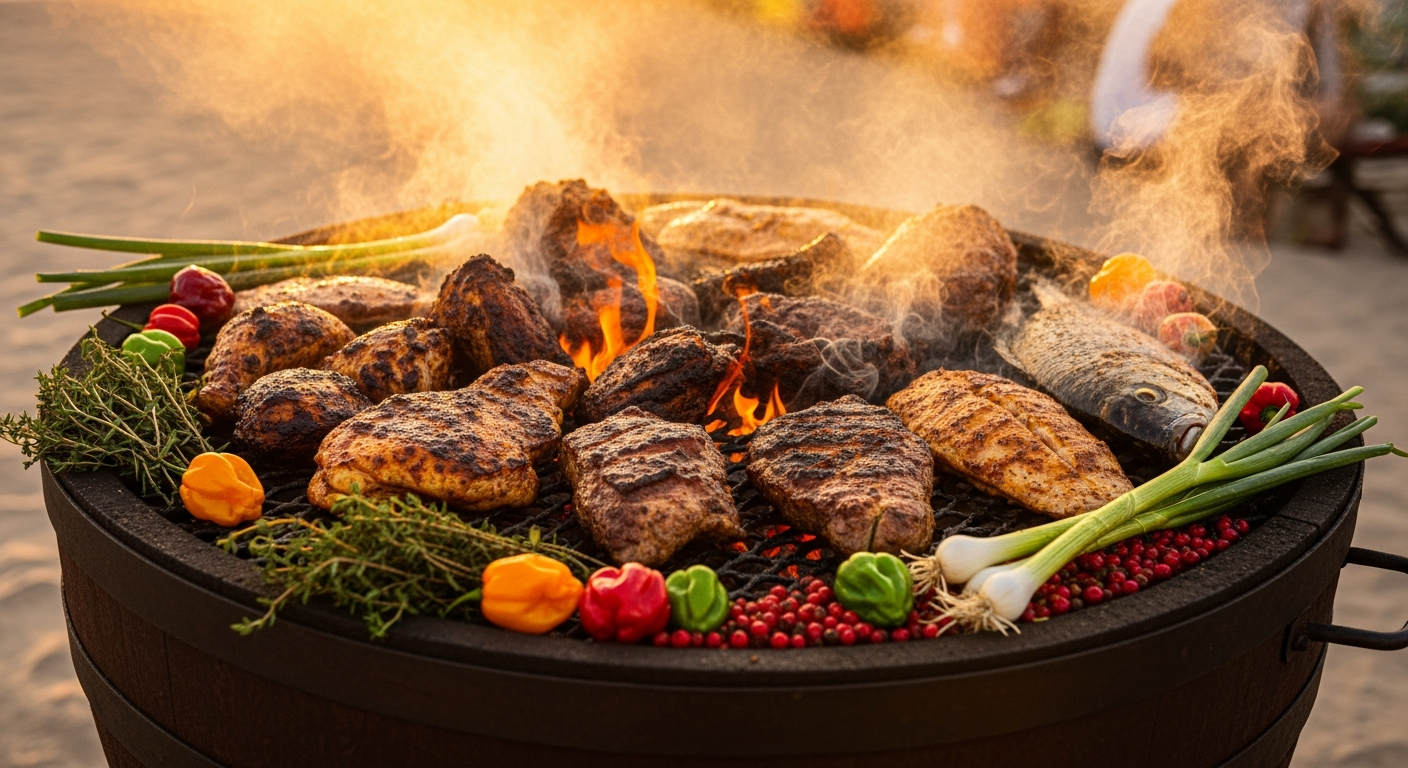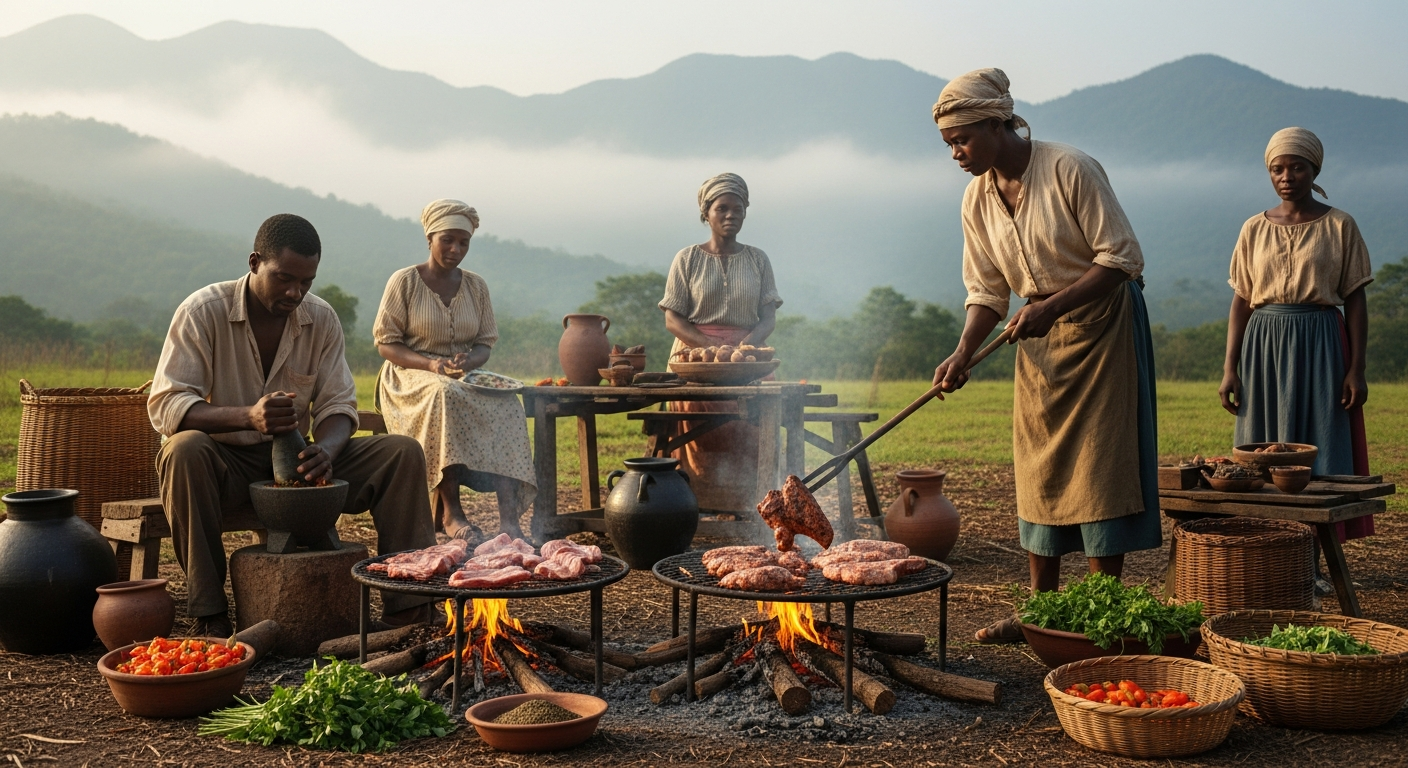
Jerk chicken originates from Jamaica — specifically from the Maroon communities in Jamaica's Blue Mountains and Cockpit Country during the 17th and 18th centuries. The Maroons were free communities of escaped enslaved Africans who developed jerk cooking as both a survival technique and a culinary tradition in Jamaica's mountain highlands. The specific combination of ingredients that defines jerk — allspice (pimento), scotch bonnet pepper, pimento wood smoke — is unique to Jamaica and was developed there, nowhere else.
The Geographic Origin: Jamaica's Mountains
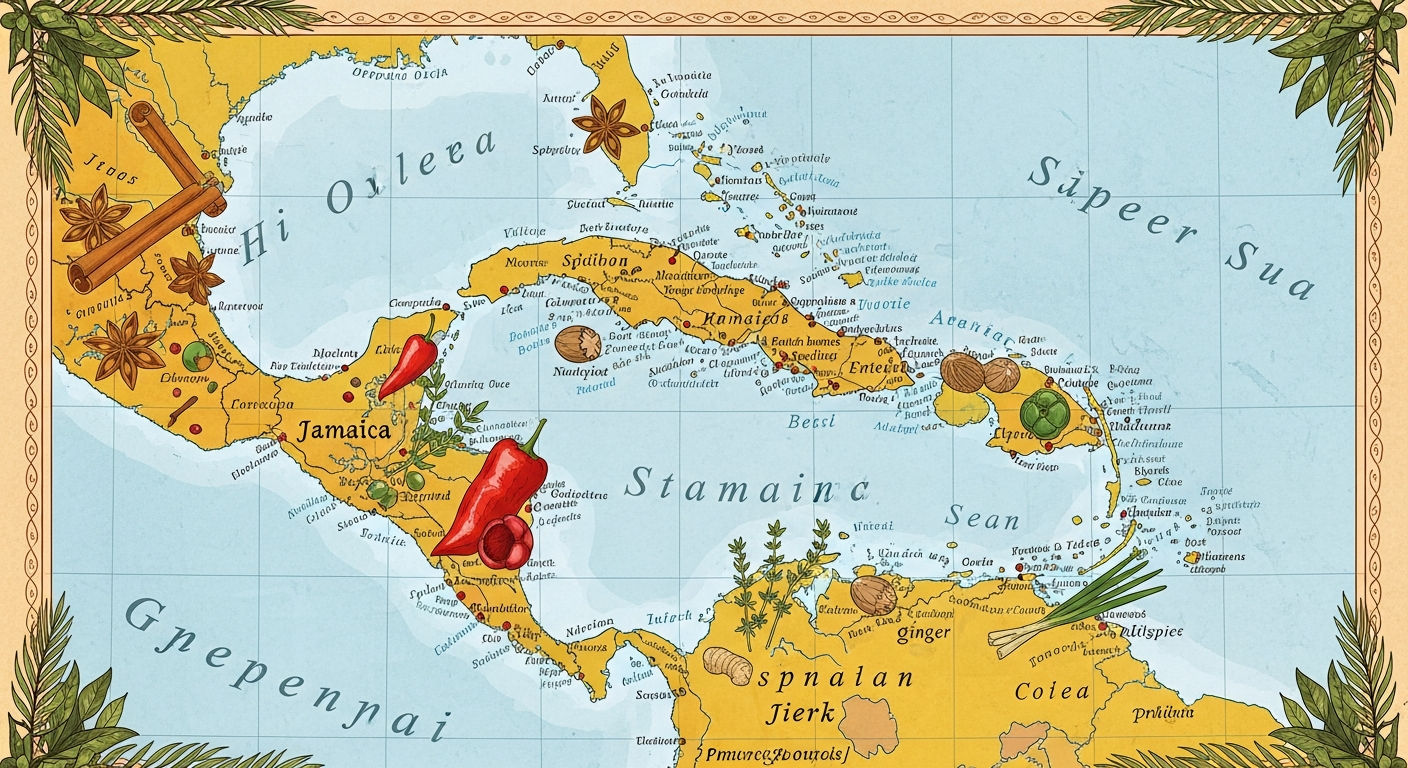
Jerk chicken does not just originate from Jamaica in a general sense — it originates from specific geographic regions of Jamaica:
- Blue Mountains (eastern Jamaica) — home of the Windward Maroons who developed jerk cooking in the forests of Portland and Saint Thomas parishes
- Cockpit Country (western Jamaica) — home of the Leeward Maroons of Accompong Town, who maintained separate jerk cooking traditions
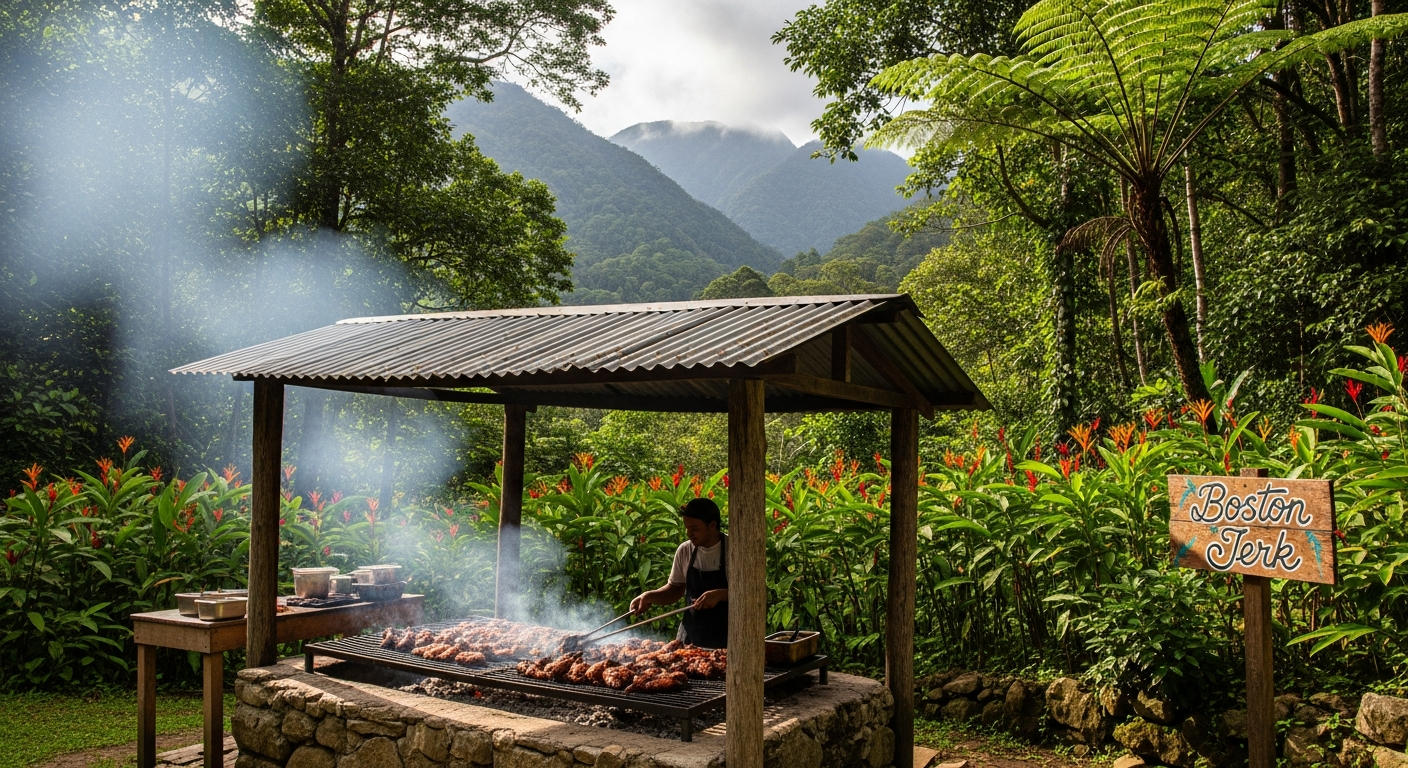
- Boston Bay, Portland Parish — the specific beach community where jerk cooking first became commercial street food, sold publicly from roadside pits, in the mid-20th century
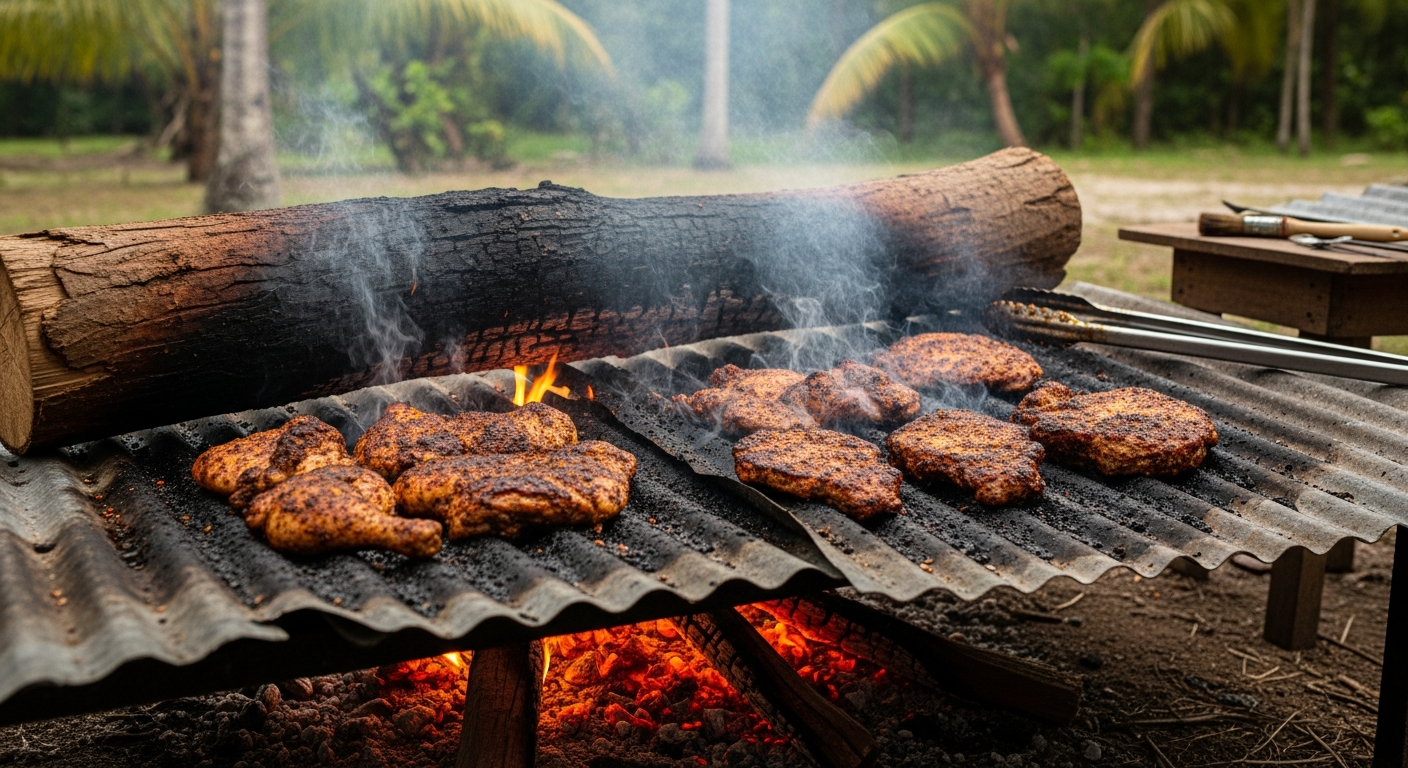
Boston Bay is the most famous jerk location in the world and is considered the spiritual birthplace of commercial jerk chicken. Visitors to Jamaica specifically travel to Portland to eat at the original Boston Bay jerk stands, where pimento wood smoke is still used and the pits are dug-earth or barrel-drum style covered with zinc sheeting.
Why Jerk Is Uniquely Jamaican
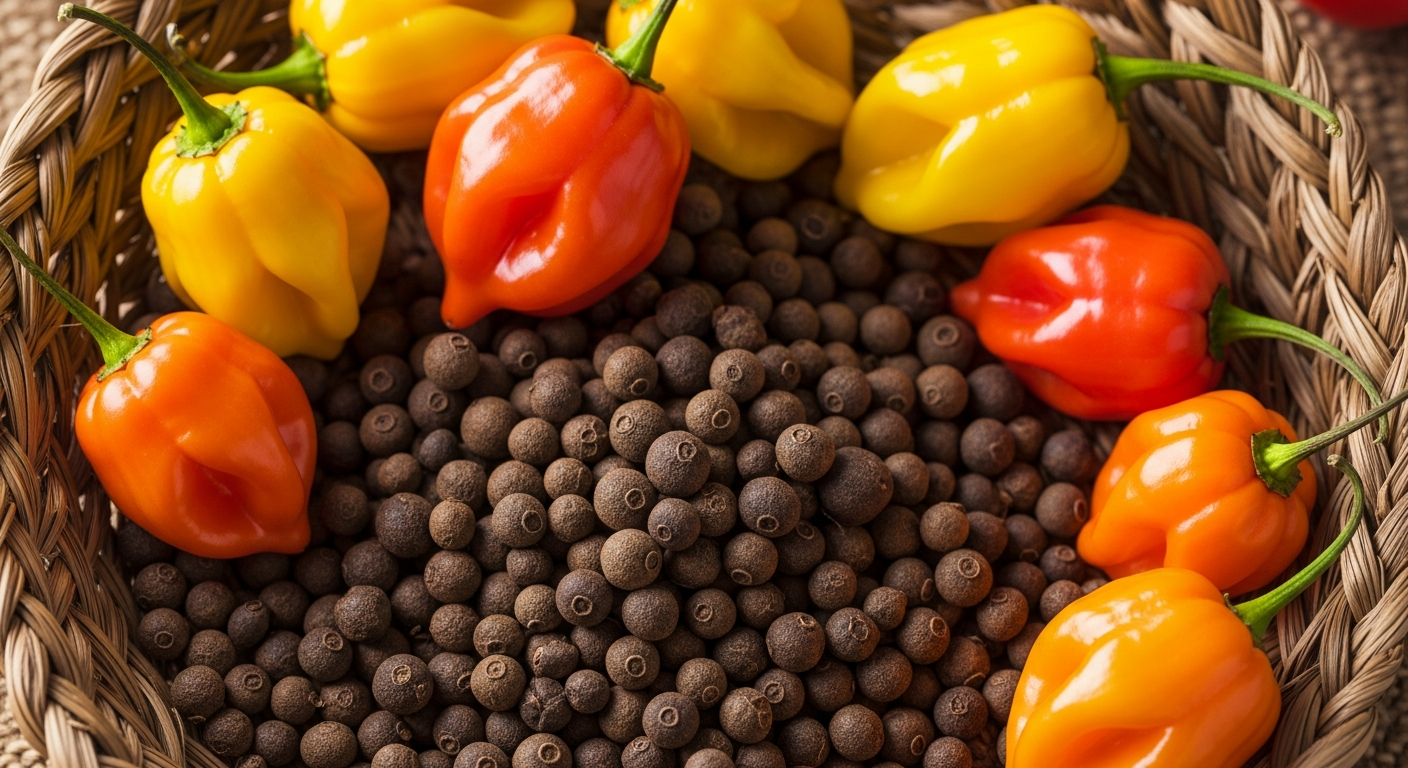
Three specific Jamaican botanical resources made jerk possible nowhere else:
- Pimento (allspice) trees — native to Jamaica and growing wild across the island's limestone hills. Jamaica produces 90% of the world's quality allspice. The Maroons had unlimited access to both the berries (for seasoning) and the wood (for smoking).
- Scotch bonnet peppers — cultivated across the Caribbean but most associated with Jamaican cuisine. Their specific fruity heat is the defining flavor of jerk.
- The isolation of mountain communities — the Maroons' geographic separation from colonial Jamaica allowed them to develop and maintain cooking traditions independently, without the homogenizing influence of plantation food.

From Jamaica to the World
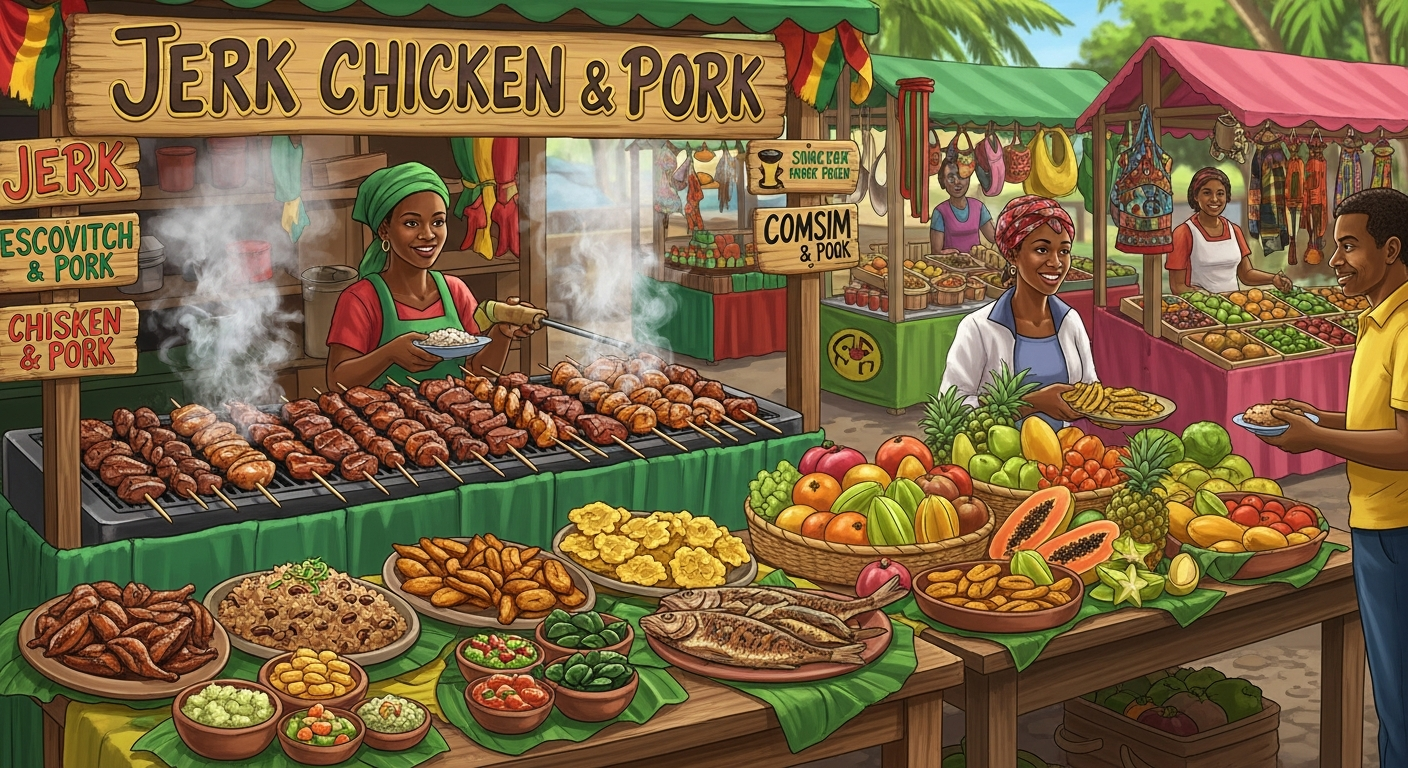
Jerk chicken spread from Jamaica to the global Caribbean diaspora communities in London, Toronto, New York, and Miami from the 1950s onward. Each city's Jamaican community brought authentic cooking techniques and eventually opened restaurants that introduced jerk to non-Jamaican diners. See our guide on traditional Jamaican sides and our authentic jerk marinade recipe. For the best commercial seasoning products, see our jerk seasoning review.