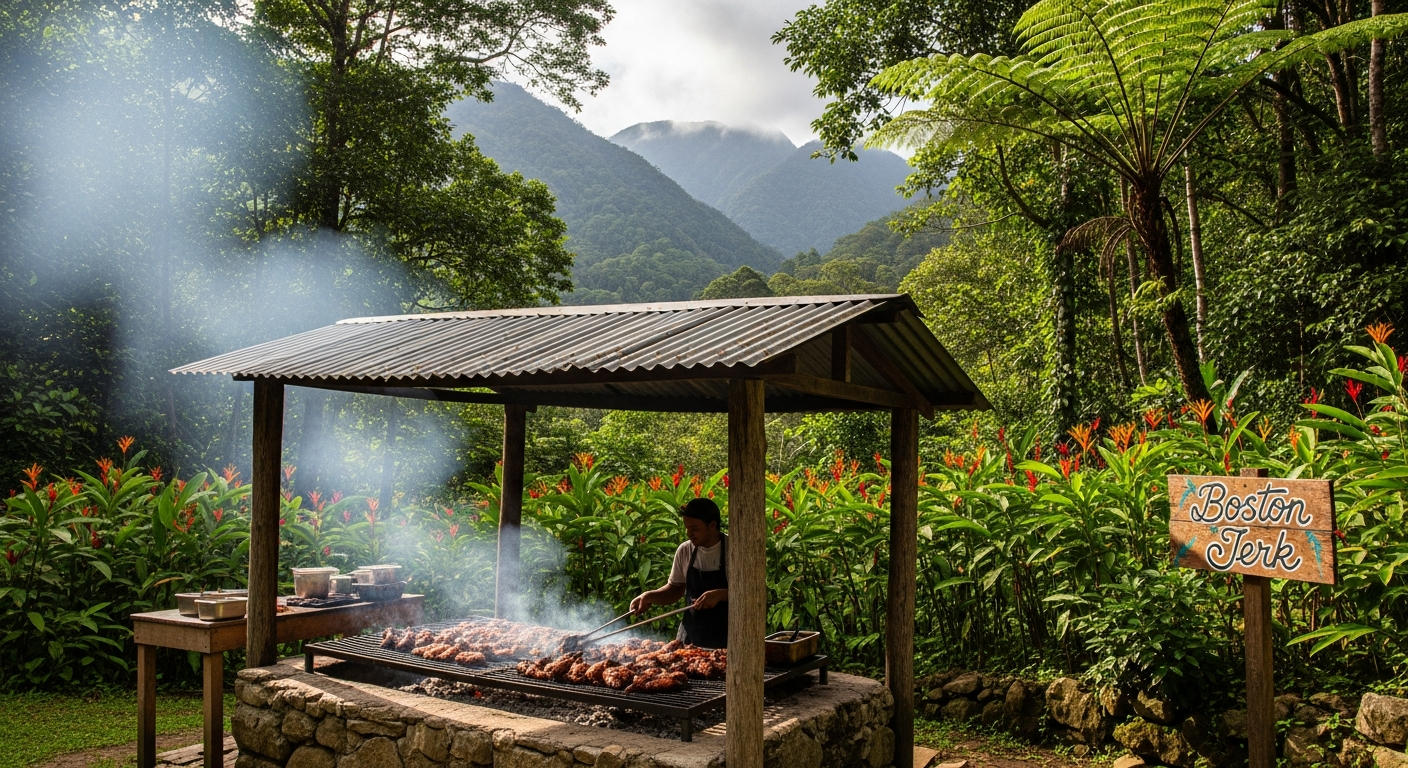
Jamaican Maroon community historical representation showing the mountain territory where jerk cooking was developed
Cultural Stories

The Maroons and the History of Jerk Cooking

· Reviewed by Audrey Clarke Updated April 12, 2026 3 min read

The Jamaican Maroons were communities of escaped enslaved Africans who established free settlements in Jamaica's mountainous interior during the 17th and 18th centuries. They are the inventors of jerk cooking — developing the technique of heavily seasoning meat with allspice and scotch bonnet and smoking it over pimento wood as a practical response to living as free people in the jungle, where preservation and mobility were essential survival requirements. Understanding the Maroons is essential to understanding why jerk tastes the way it does.

Who Were the Jamaican Maroons?

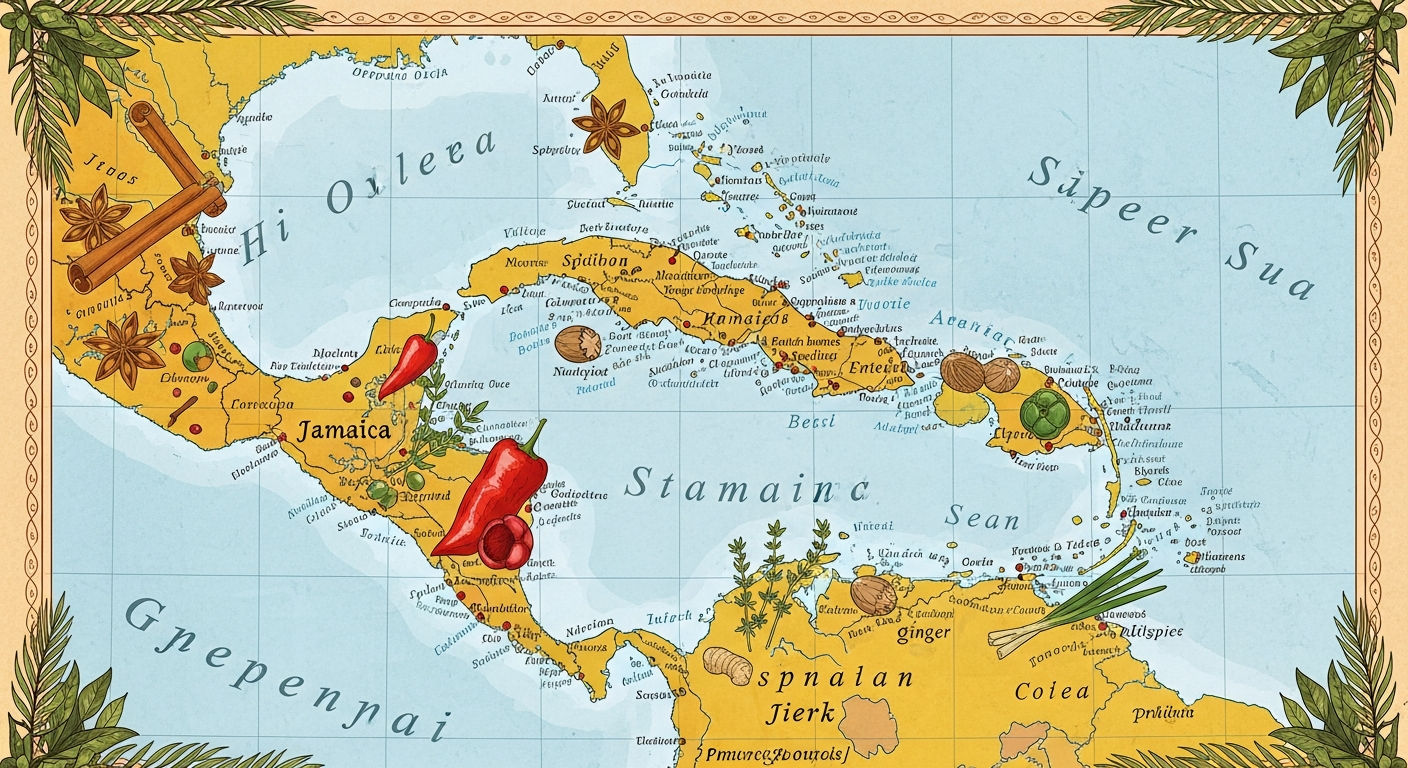
The word "Maroon" derives from the Spanish cimarrón — "wild," or "living in the mountains." When Spain controlled Jamaica (1494–1655), some enslaved Africans escaped and formed independent communities. When Britain conquered Jamaica in 1655, more Africans escaped during the chaos of the transition, joining existing Maroon communities or forming new ones. By the late 17th century, Jamaica had two major Maroon groups:

  • The Windward Maroons — in the Blue Mountains of eastern Jamaica (Portland and Saint Thomas parishes). Led by the legendary Queen Nanny of the Maroons.
  • The Leeward Maroons — in the Cockpit Country of western Jamaica (Trelawny, Saint James, Saint Elizabeth). Led by Cudjoe.

Both groups fought extended guerrilla wars against British colonial forces, using the rugged terrain of their mountain territories as cover. They were never militarily defeated. In 1739 and 1740, Britain signed peace treaties with both Maroon groups, recognizing their freedom and territorial sovereignty in exchange for the Maroons' agreement to return future escapees to British plantations.

Why Jerk Was the Perfect Maroon Cooking Method

The conditions of Maroon mountain life made jerk cooking not just preferable but necessary:

  • Mobility: Maroon warriors needed to move quickly through forest terrain. Heavily seasoned, smoked meat lasted days without refrigeration, enabling long patrols.
  • Smoke concealment: Pimento wood smoke was sweet and fragrant rather than acrid — its scent blended with the natural forest environment and did not alert British patrols the way more pungent wood fires would.
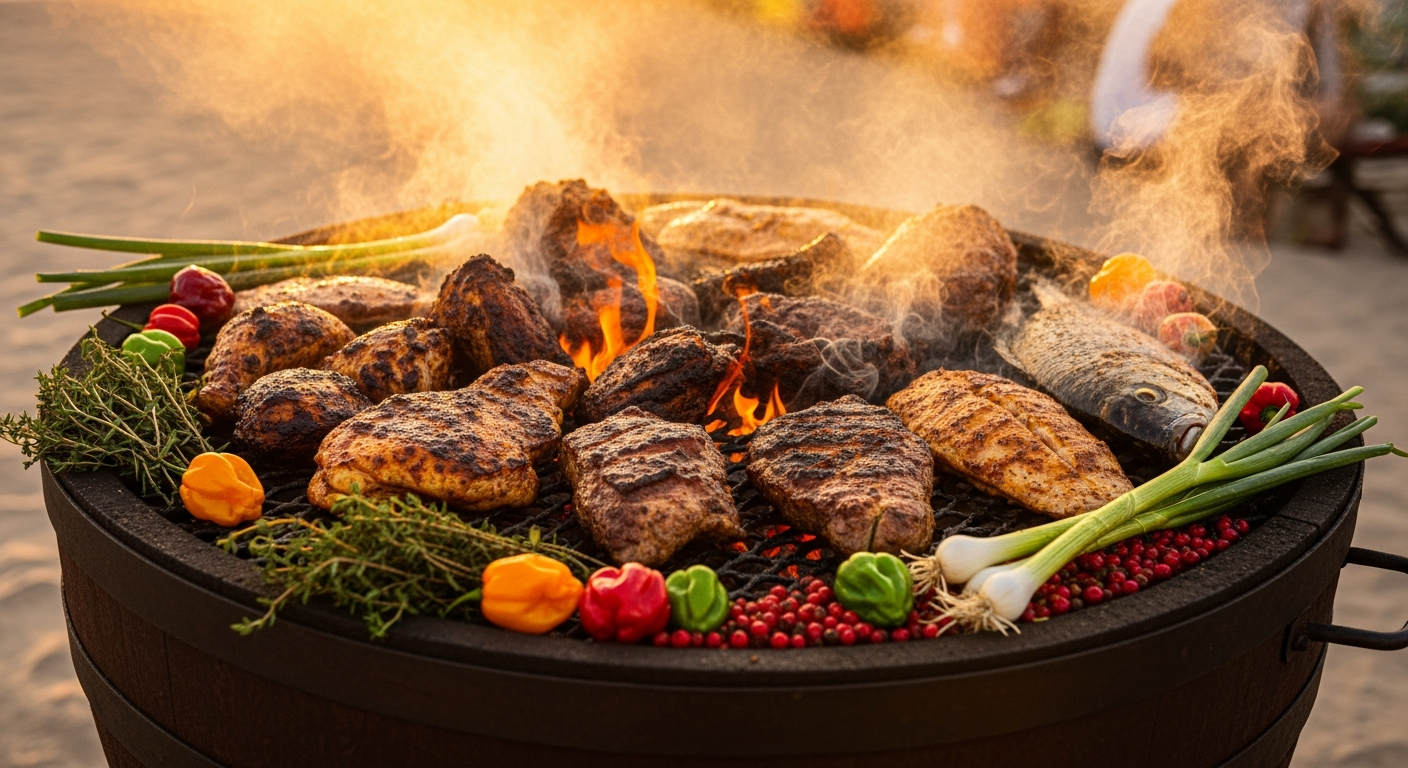
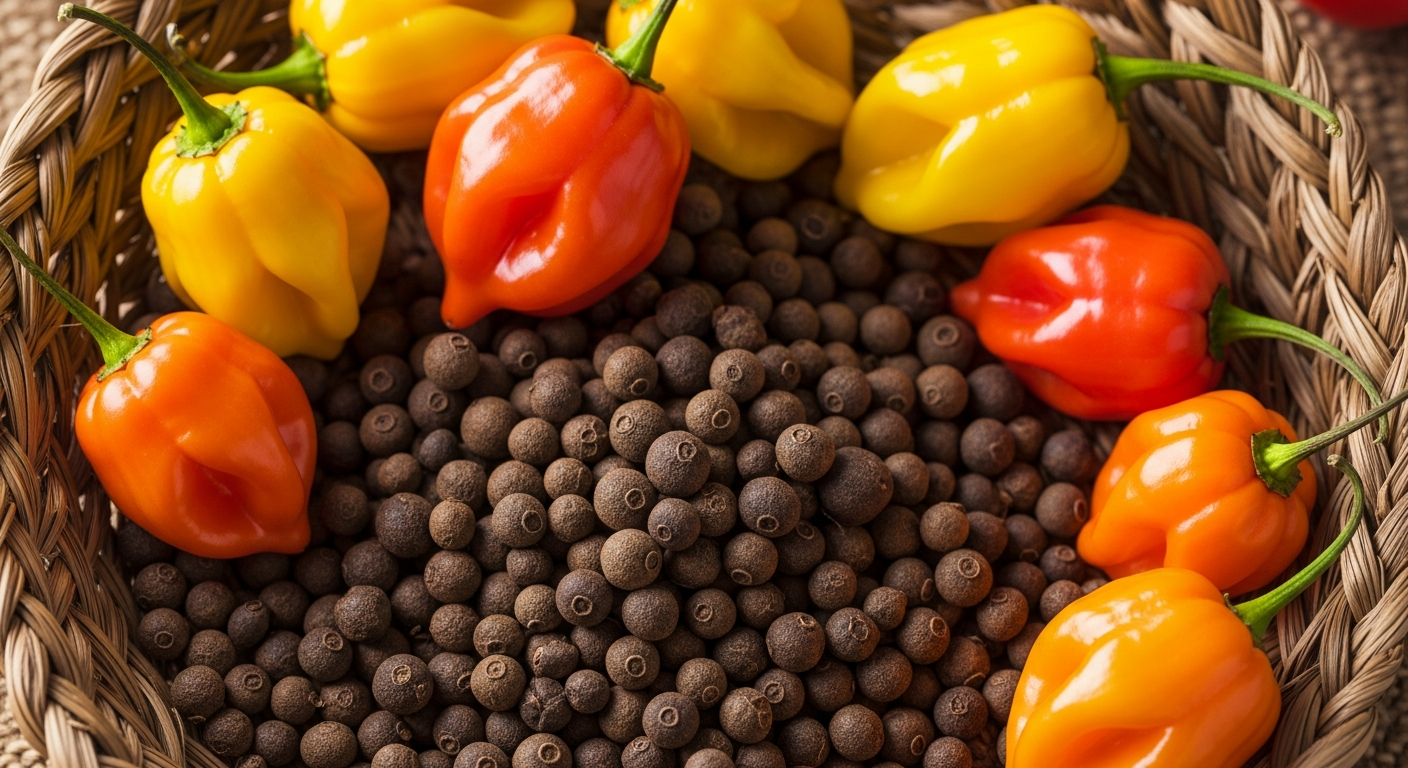
  • Available ingredients: Allspice trees grew wild everywhere in Jamaican highlands. Scotch bonnet peppers could be cultivated in forest clearings. Salt could be obtained through trade.
  • Antimicrobial preservation: Allspice's eugenol and capsaicin from scotch bonnet both inhibit bacterial growth — nature's preservatives, built into the recipe.
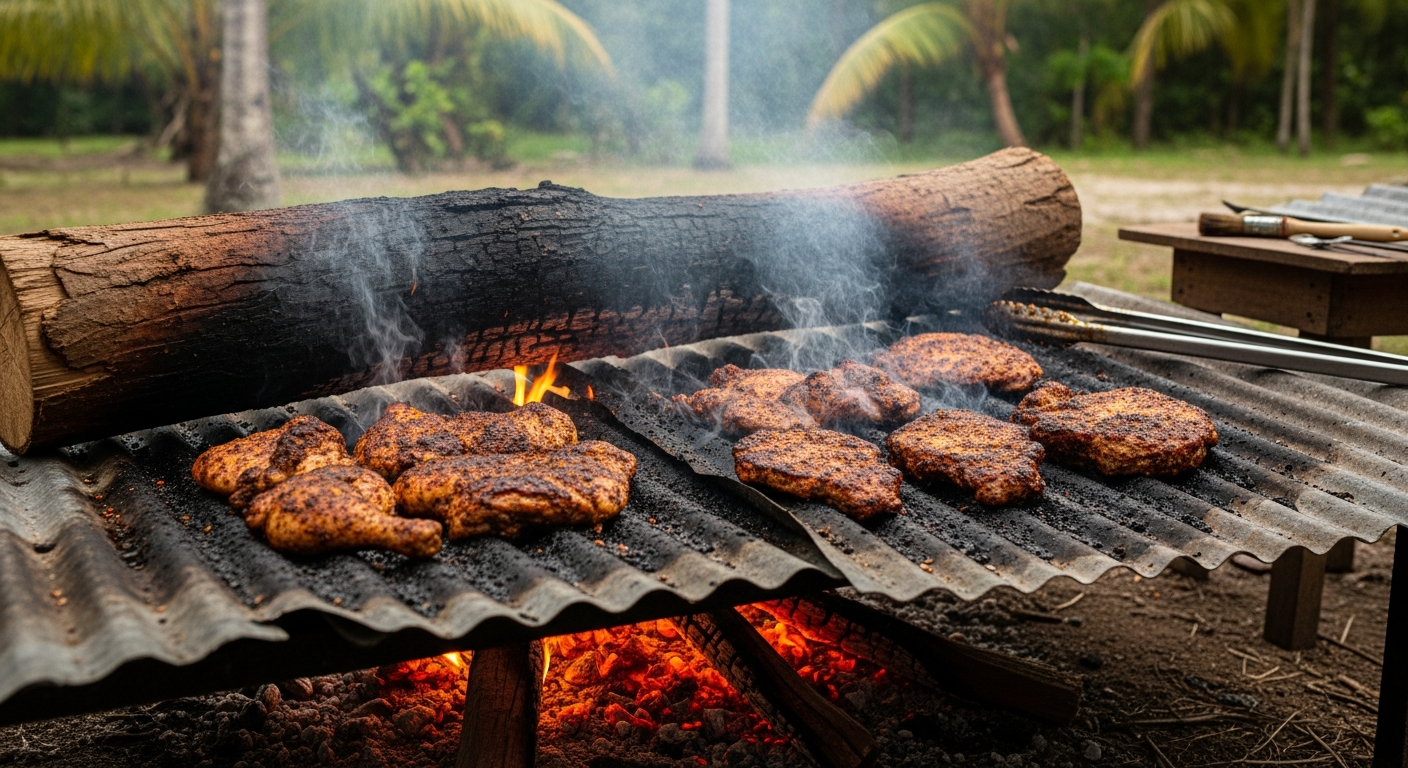
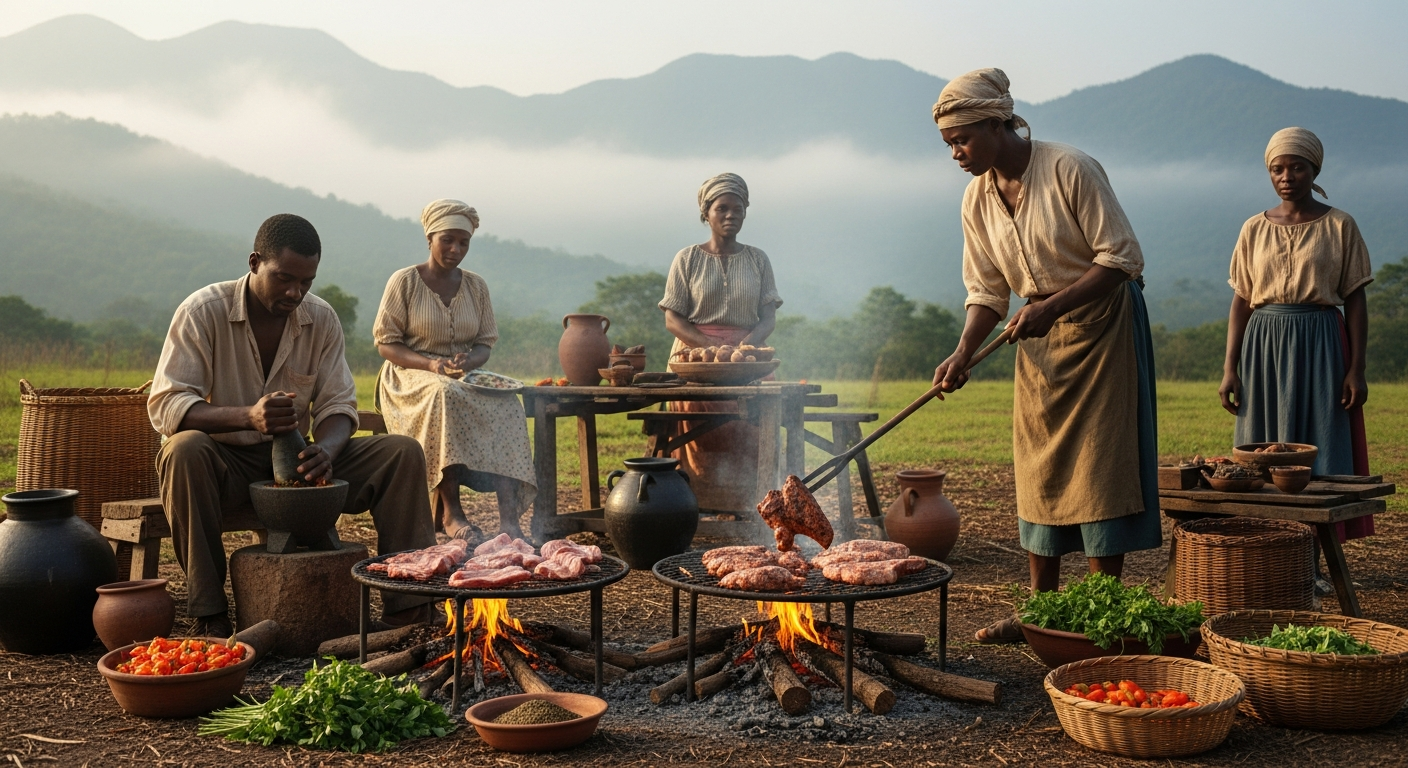
Reconstruction of a Maroon forest cooking camp showing a pimento wood fire and seasoned wild boar preparations

The Maroon Culinary Legacy

The Maroons' culinary contribution to the world is jerk cooking. Without the Maroons' specific historical circumstances — freedom, mountain isolation, access to pimento trees, and the need for portable preserved food — jerk cooking as we know it would not have been invented. Today the Maroon community at Accompong Town in Trelawny still practices traditional cooking and hosts the annual Accompong Maroon Festival, where traditional jerk preparation is demonstrated. Queen Nanny of the Maroons is celebrated on the Jamaican $500 bill, honoring the Windward Maroon leader who helped preserve both the people and their culinary traditions. See our jerk marinade recipe and our best jerk seasoning guide for making their legacy at home. For what to serve alongside it, see our pairing guide.
Recommended Reading

The marinade is where authentic jerk flavor is built.

authentic jerk marinade recipe →

Full ingredient ratios, overnight timing chart, and the technique used at Boston Bay jerk stands.

Frequently Asked Questions

Are there still Maroon communities in Jamaica today?
Yes — several Maroon communities exist in Jamaica today, most notably Accompong Town in Trelawny (Leeward Maroon descendant community), Moore Town in Portland (Windward Maroon descendants), and Charles Town in Portland. These communities maintain cultural traditions, hold annual festivals, and have autonomous status recognized by the Jamaican government. Traditional cooking, including jerk methods, is practiced and demonstrated at community events.
Who was Queen Nanny and what is her connection to jerk cooking?
Queen Nanny (also known as Nanny of the Maroons) was the legendary leader of the Windward Maroons of the Blue Mountains in Portland and Saint Thomas parishes. She led her community through decades of guerrilla warfare against British colonial forces. While not specifically documented as the inventor of jerk cooking, she represents the Windward Maroon community that developed and preserved the tradition. She is celebrated on Jamaica's $500 bill as a national hero.
What did the Maroons originally cook with jerk seasoning?
The Maroons originally seasoned wild boar (feral pigs descended from Spanish-era introduced pigs) with their jerk spice formula. Wild boar was the most abundant large game animal in Jamaica's highlands. Other meats — deer, birds, and fish — were also prepared with jerk seasonings, but wild boar was the primary and most historically significant protein. Chicken became the dominant jerk meat in the 20th century after commercial poultry farming made it widely affordable.
How did Maroon cooking techniques spread to other Jamaicans?
Maroon cooking techniques spread through trade between Maroon settlements and lowland Jamaican communities — the Maroons traded meat, spices, and agricultural produce in exchange for manufactured goods. After the 1739–1740 peace treaties normalized relations between Maroon communities and colonial Jamaica, cultural exchange including food traditions accelerated. By the 19th century, jerk cooking had spread beyond Maroon communities to the broader Jamaican population.

Written by

Marcus Thompson

Jerk Cuisine Specialist

Marcus Thompson grew up in Portland Parish, Jamaica — home to the original Boston Bay jerk stands — and has spent over a decade studying Jamaican jerk cooking techniques, marinade science, and the Maroon cultural history behind the world's most iconic grilled dish.

View full bio

Reviewed by

Audrey Clarke

Caribbean Food Editor

Food editor and recipe developer specializing in Caribbean and African-diaspora cuisines. Contributor to food publications in the UK and North America.

Related Articles

More from JerkPit on Jamaican jerk cooking

Historical representation of Maroon cooking traditions and Jamaican cultural resistance
Cultural Stories

Jerk Cooking: Jamaican Identity and Resistance

Explore how jerk cooking embodies the spirit of Jamaican resistance and identity, from its origins with Maroon freedom fighters to its role as a symbol of cultural pride today.

7 min read · Updated February 22, 2026
Historical illustration of Jamaican Maroon community in the Blue Mountains where jerk cooking originated
Cultural Stories

Who Invented Jerk Chicken?

Jerk chicken was invented by the Maroons — escaped enslaved Africans who settled in Jamaica's mountains in the 17th century and developed jerk as a preservation technique.

3 min read · Updated April 12, 2026
Timeline visual showing the history of jerk chicken from Maroon origins to modern global spread
Cultural Stories

The Complete History of Jerk Chicken's Invention

Jerk chicken's history spans from 17th century Maroon survival cooking to modern global Caribbean cuisine — here is the complete timeline.

3 min read · Updated April 12, 2026
Blue Mountains Jamaica where jerk chicken originated showing the lush mountain terrain of the original Maroon territory
Cultural Stories

Where Does Jerk Chicken Originate From?

Jerk chicken originates from Jamaica — specifically from the Maroon communities in the Blue Mountains and Cockpit Country of 17th century Jamaica.

3 min read · Updated April 12, 2026
Traditional Jamaican jerk preparation showcasing cultural heritage and spice traditions
Cultural Stories

Jamaican Jerk: A Taste of Heritage

Discover the deep cultural roots of Jamaican jerk cooking, from its Maroon origins to its status as a symbol of national pride and resilience.

5 min read · Updated February 5, 2026
A traditional Jamaican jerk pit with smoke rising and community gathering around it
Cultural Stories

Jerk Pits and Jamaican Culture

Explore how jerk pits function as more than cooking stations in Jamaica — they are community centers, cultural landmarks, and living connections to Maroon heritage.

6 min read · Updated January 7, 2026
Close-up of traditional Jamaican jerk pit with pimento wood coals and smoking meat
Cultural Stories

Jamaican Jerk Pit Cooking Techniques

Learn the authentic techniques behind Jamaican jerk pit cooking, from fire building and pimento wood selection to the secrets pit masters have passed down for generations.

7 min read · Updated March 6, 2026
Caribbean cultural celebration featuring jerk cooking and diverse island traditions
Cultural Stories

Jerk's Role in Caribbean Identity

Discover how jerk cooking has grown beyond its Jamaican roots to become a defining element of broader Caribbean identity and cultural expression worldwide.

6 min read · Updated December 30, 2025
Fresh allspice berries and scotch bonnet peppers arranged with traditional jerk ingredients
Cultural Stories

Allspice and Scotch Bonnet in Jerk

Explore how allspice and scotch bonnet peppers define the soul of jerk cooking, from their botanical origins to their irreplaceable roles in creating authentic Caribbean flavor.

7 min read · Updated January 9, 2026
Panoramic view of Jamaica's Blue Mountains where jerk cooking traditions began
Cultural Stories

Jamaican Jerk: A Cultural Journey

Trace the cultural journey of Jamaican jerk from the Blue Mountains to global kitchens, exploring how this remarkable tradition evolved from survival food to culinary phenomenon.

7 min read · Updated March 5, 2026
A culinary journey through jerk pit cooking showing various stages of preparation and serving
Cultural Stories

Jerk Pit: A Culinary Journey

Embark on a culinary journey through the flavors, techniques, and traditions of jerk pit cooking, exploring what makes it one of the world's great barbecue traditions.

8 min read · Updated February 3, 2026
Vibrant Jamaican jerk festival scene with cooking competitions, music, and crowds celebrating
Cultural Stories

Jamaican Jerk Festival: Food and Music

Experience the vibrant world of Jamaican jerk festivals where incredible food meets pulsating music, bringing Caribbean culture to life in celebrations across the globe.

8 min read · Updated January 26, 2026

Recommended Guides

The most important resources on JerkPit.com for authentic Jamaican jerk cooking