The history of jerk seasoning is the history of Jamaican identity: forged in resistance, refined through community, and eventually shared with the world. The seasoning began as a practical formula for preserving meat in the mountains of Jamaica, was refined over generations of communal cooking, became a commercial product in the 20th century, and is now one of the most recognized flavors in global cuisine. Every element of its modern formula has a historical reason for being there.
The Core Historical Story
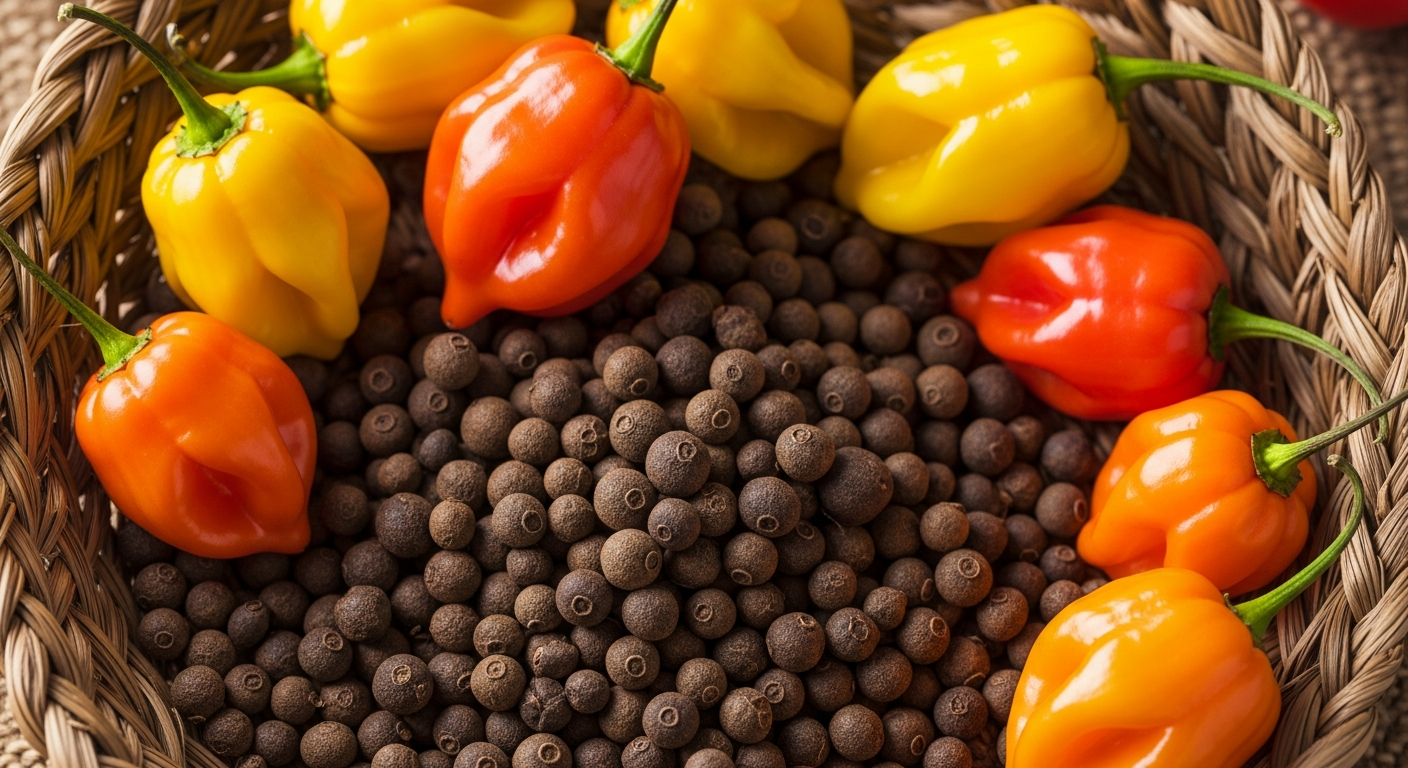
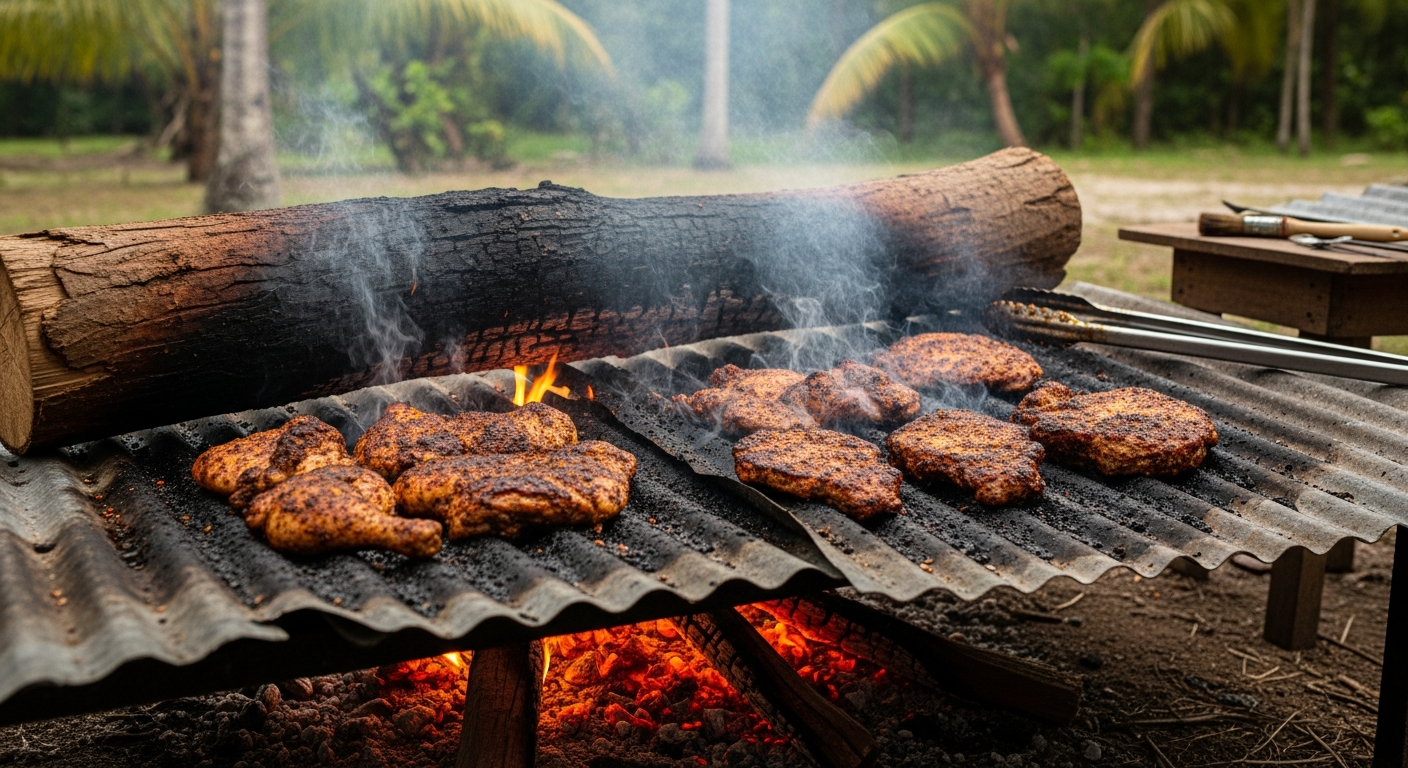
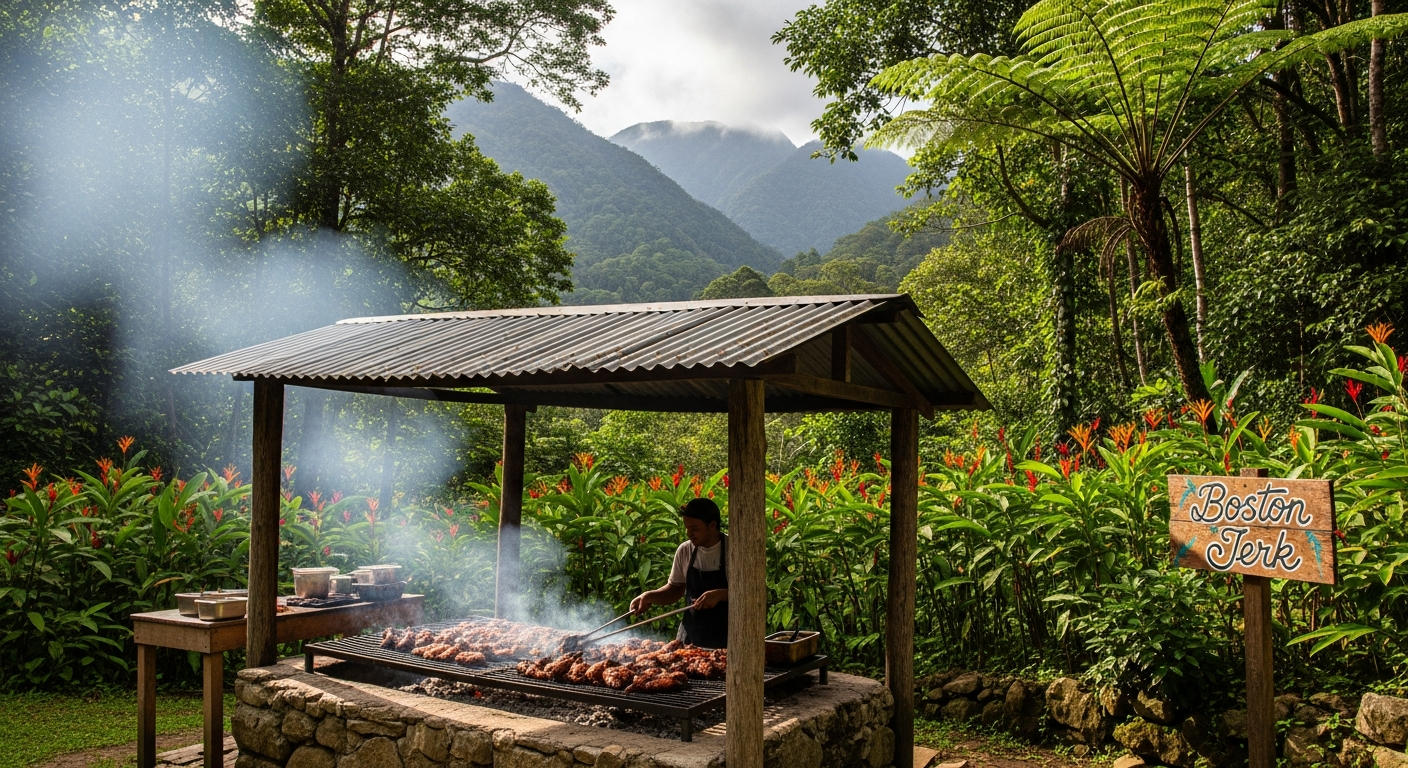
When Africans escaped from slavery and established free communities in Jamaica's mountains — the communities known as the Maroons — they faced an immediate practical challenge: feeding their communities in the jungle without the infrastructure of a plantation. The solution was to hunt wild boar, which were plentiful in Jamaica's highlands, and to preserve the meat using what was available: allspice berries (which grew wild everywhere), scotch bonnet peppers (cultivated throughout the Caribbean), and salt. They smoked the meat over pimento wood fires, which added flavor while simultaneously preserving the meat through the combination of heat, smoke, and the natural antimicrobial properties of allspice eugenol.
Why Each Ingredient Is In Jerk Seasoning
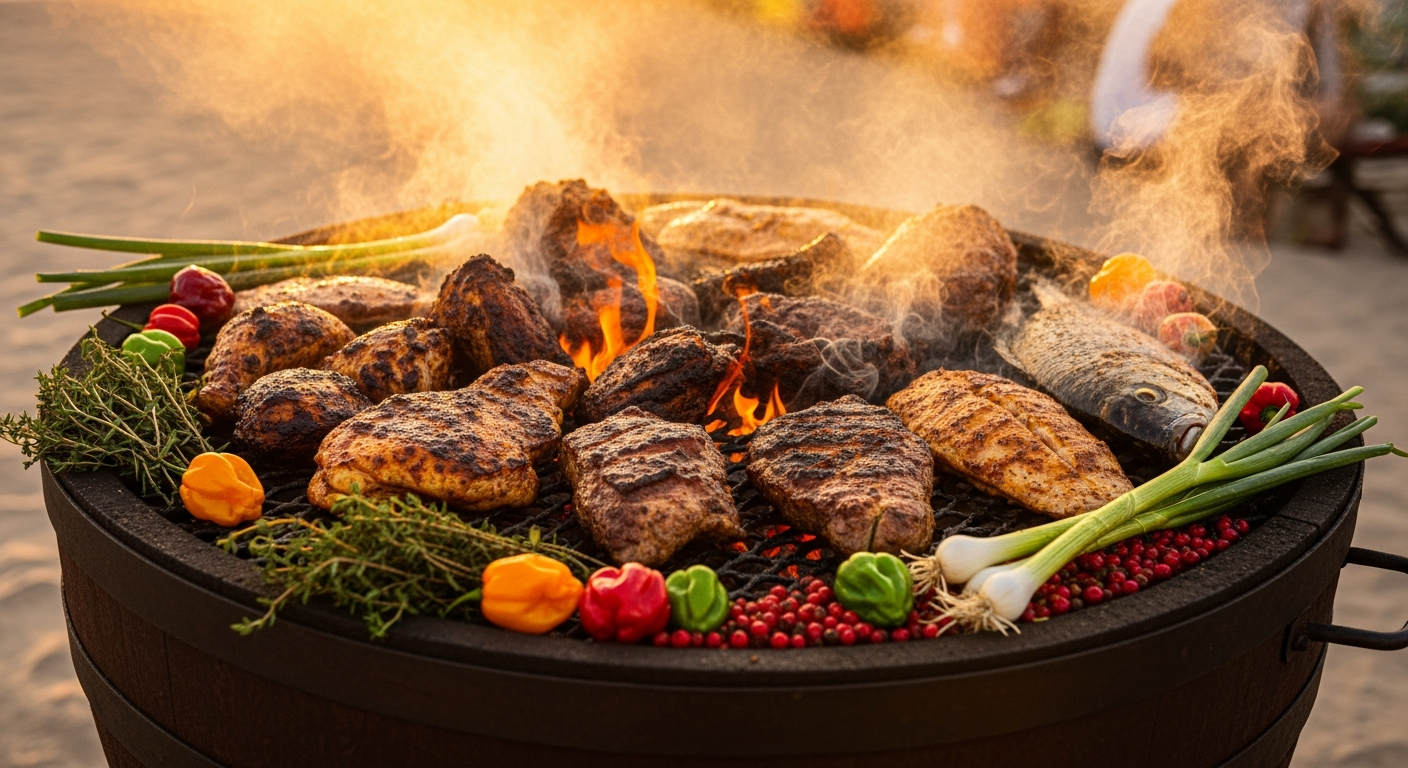
- Allspice — grew wild in Jamaica; antimicrobial eugenol helped preserve meat; provided complex warm spice
- Scotch bonnet — cultivated in Caribbean; capsaicin inhibits bacterial growth; provides intense, fruity heat
- Thyme — antimicrobial and fragrant; widely grown across Caribbean
- Scallion — abundant in Jamaican gardens; allium compounds have preservative properties
- Garlic — well-established antimicrobial; adds savory depth
- Salt — classic curing agent; draws moisture from meat surface
- Brown sugar (later addition) — caramelizes during cooking; balances scotch bonnet heat
- Soy sauce (20th century addition) — adds umami depth and salt
How Jerk Seasoning Spread to the World
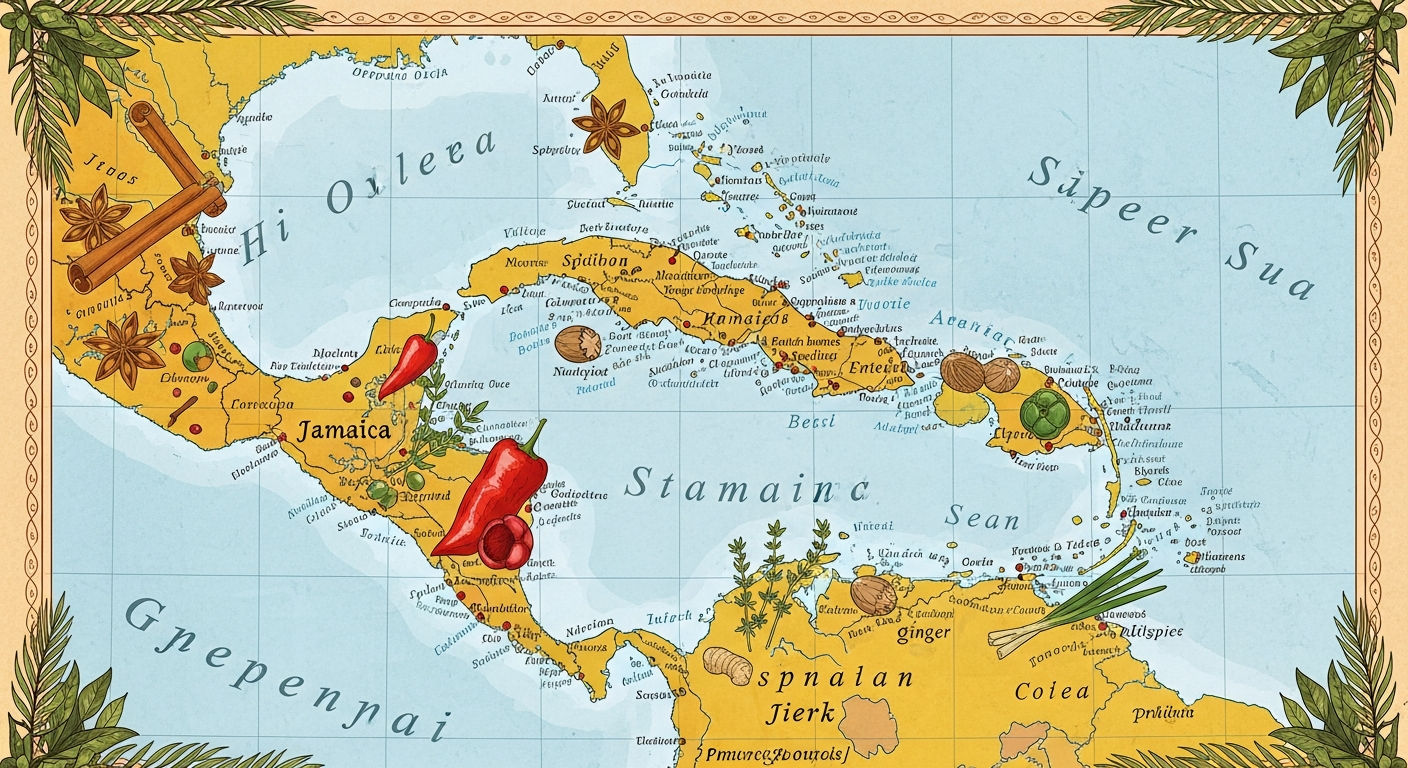
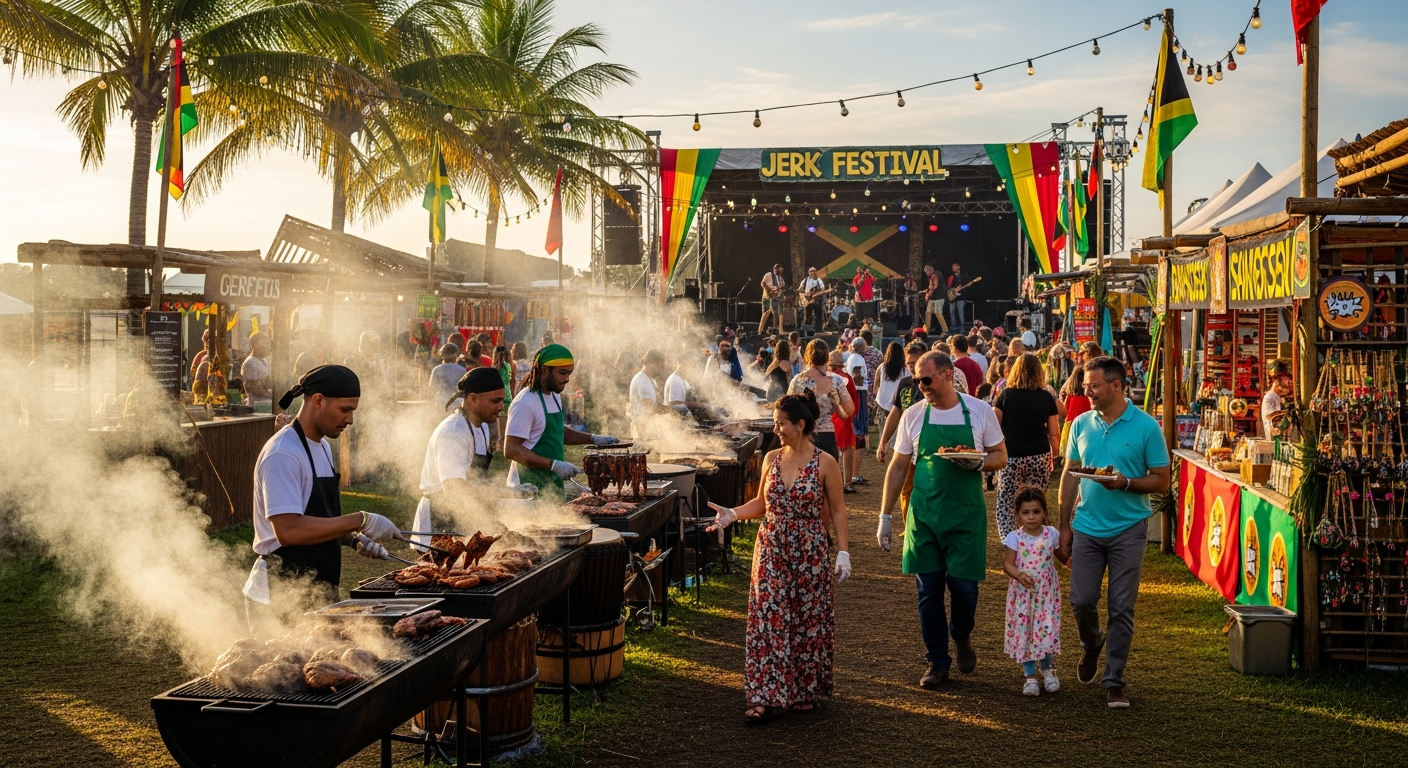
Jerk seasoning spread globally through three main channels: (1) the Jamaican diaspora from the 1950s onward, carrying the tradition to London, Toronto, and New York; (2) the commercialization of jerk seasoning products (Walkerswood, Grace) in the 1970s–1980s; (3) the broader global interest in Caribbean cuisine sparked by tourism and food media in the 1990s–2000s. Today jerk seasoning is produced by companies in Jamaica, the UK, the US, Canada, and dozens of other countries. For the most authentic products, see our jerk seasoning guide. To make the full authentic recipe, see our jerk marinade guide. For what to serve with the resulting chicken, see our pairing guide.