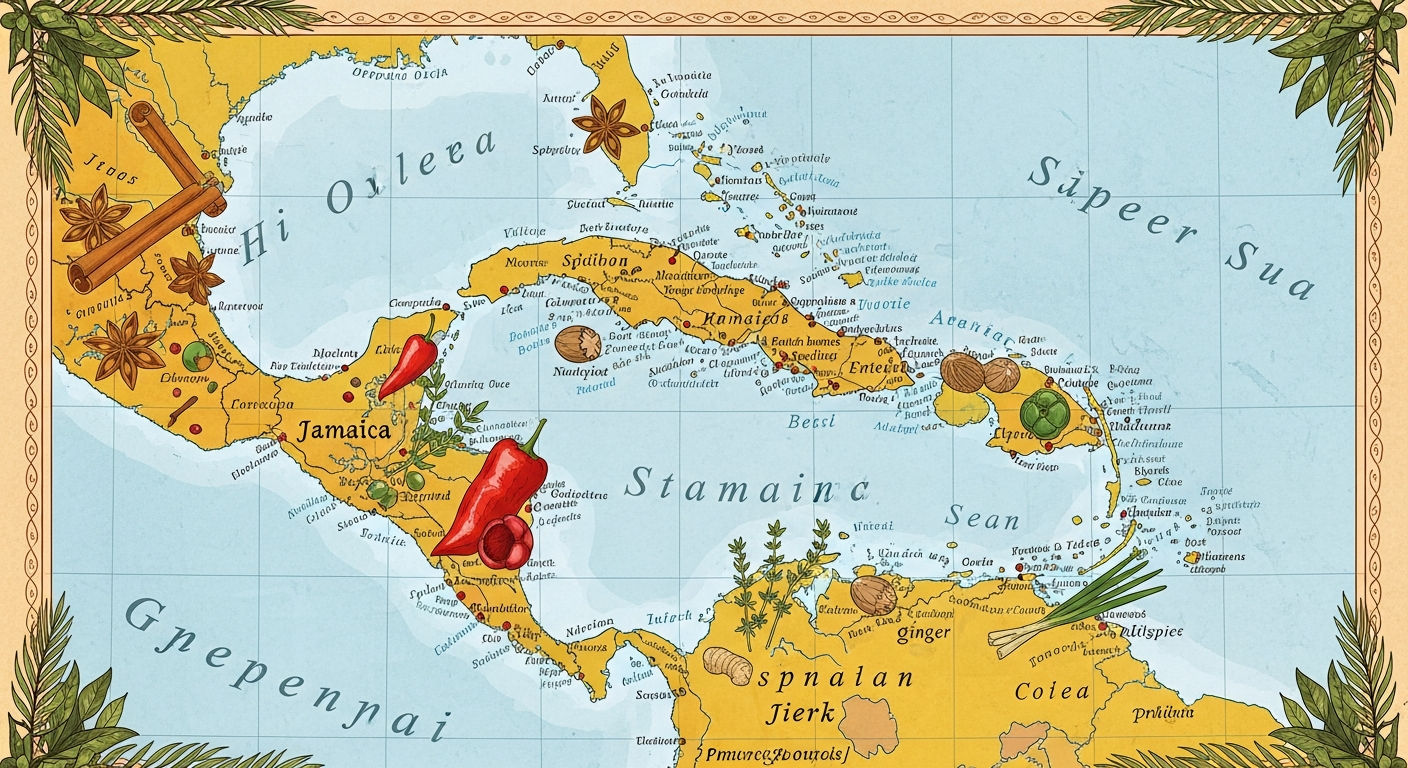
The history of jerk chicken spans nearly 400 years, from its origins in Jamaica's mountain communities to its current status as one of the world's most recognized grilled foods. It began as a survival necessity among the Maroons, evolved into a communal tradition, became commercial street food in the 20th century, and spread globally through the Jamaican diaspora. Understanding this timeline reveals why jerk chicken tastes the way it does — every ingredient and technique has a specific historical reason for its presence.
Jerk Chicken Historical Timeline
Pre-1600s: Taíno Foundation
Jamaica's indigenous Taíno people cooked meat over open wood fires using native herbs and peppers. They introduced European colonizers to the pimento (allspice) tree, which grew wild across the island's highlands. The Taíno technique of pit-cooking and smoking meat laid the foundation for what would become jerk.
1640s–1740s: Maroon Development
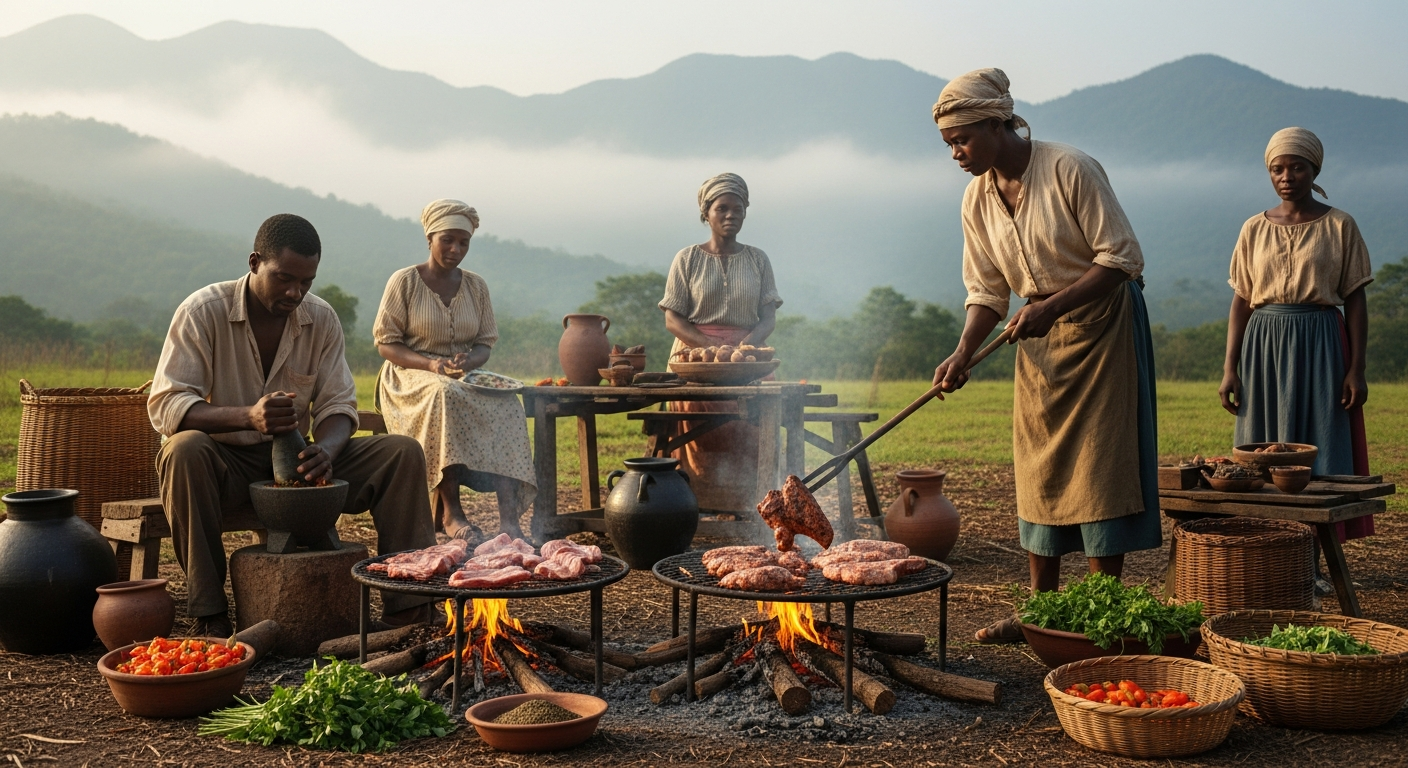
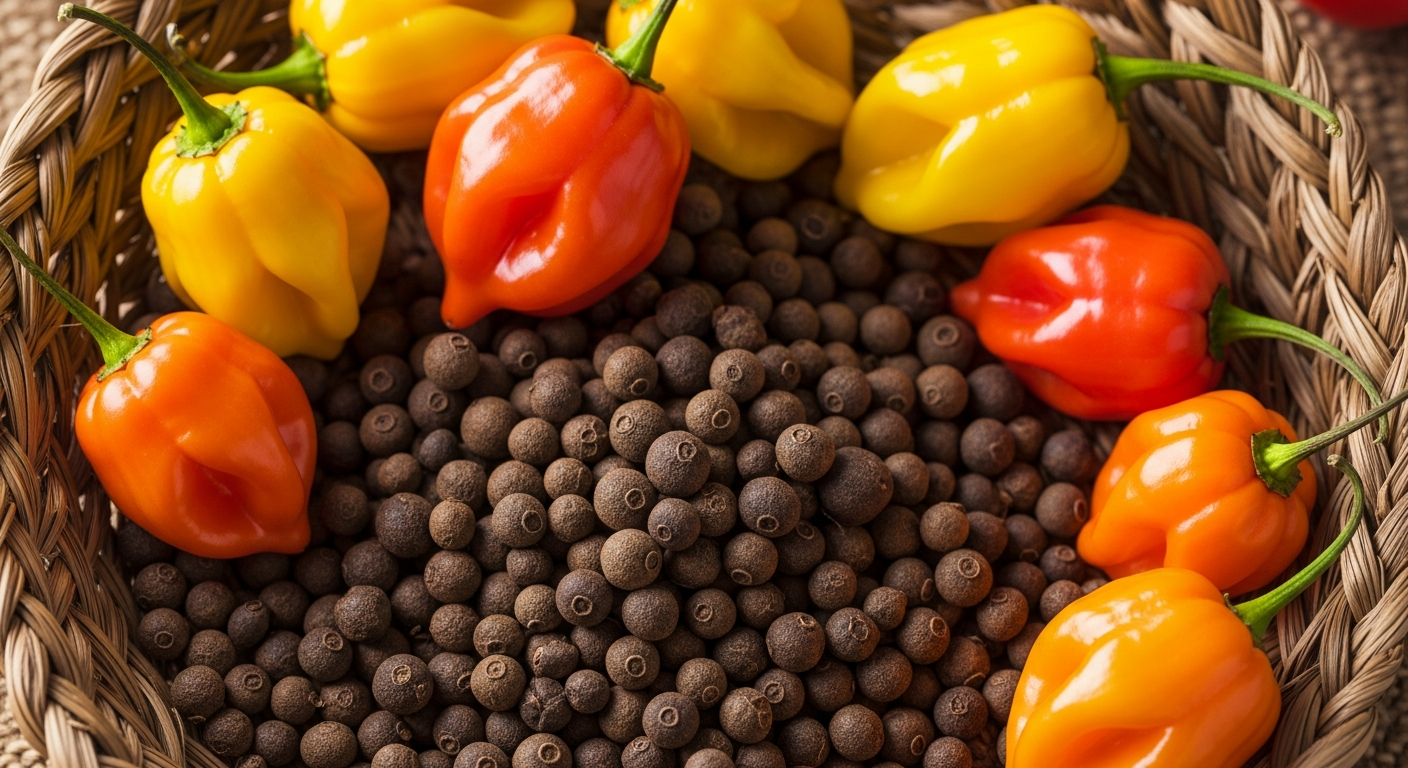
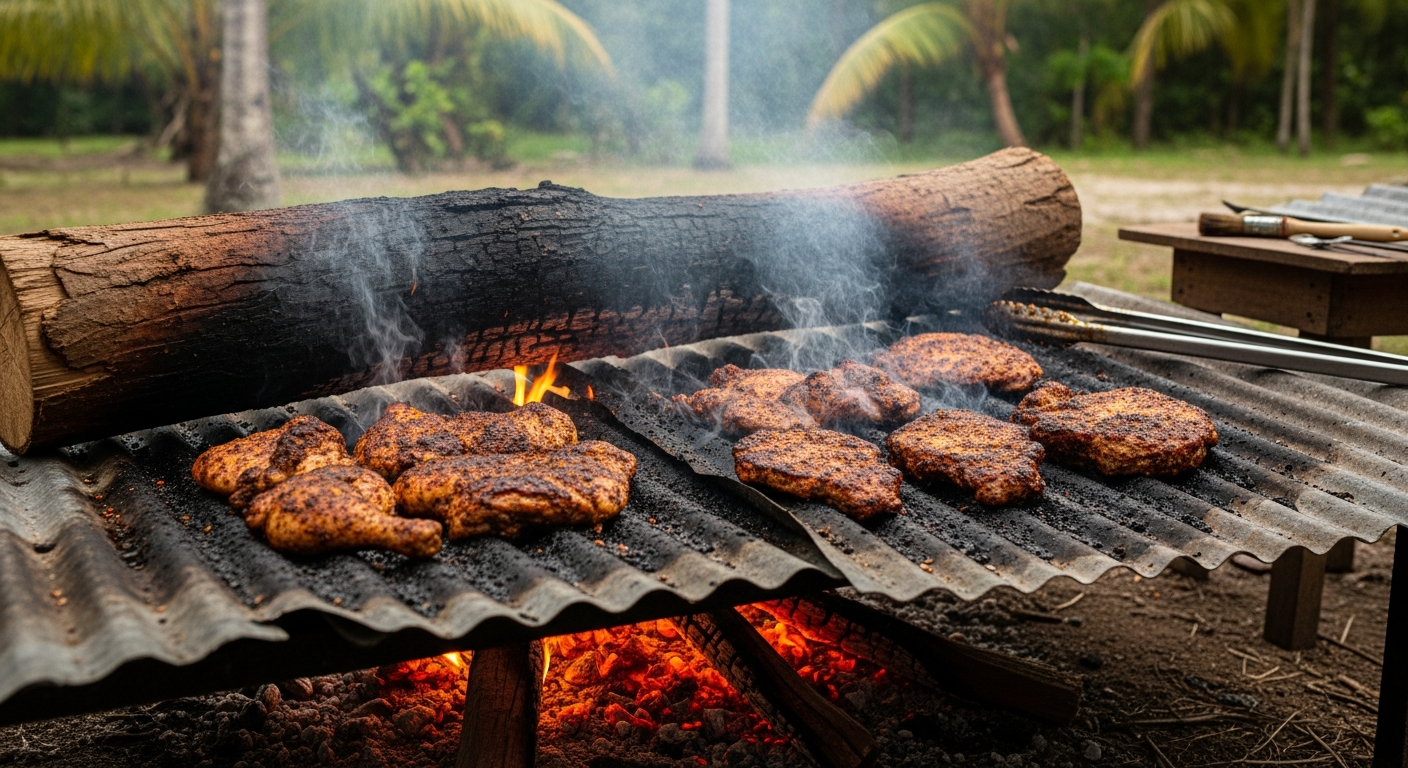
Escaped enslaved Africans (Maroons) fled to Jamaica's interior mountains and independently refined the technique of seasoning, curing, and slow-smoking meat over pimento wood. They used wild boar — the dominant protein in the mountain forests — and seasoned it heavily with allspice berries and scotch bonnet peppers, both of which have natural preservative properties. The cooking method involved wrapping meat in leaves and burying it with hot coals (a true "jerk pit"), then smoking it over smoldering pimento wood for many hours.
1739–1800: Peace and Expansion
After the Maroon Peace Treaties with Britain (1739 and 1740), Maroon communities stabilized. Jerk cooking technique gradually spread to non-Maroon Jamaican communities through trade and cultural exchange. The basic seasoning expanded to include scallion, thyme, garlic, and ginger as additional aromatics became more accessible.
1900s–1960s: Commercial Jerk Emerges
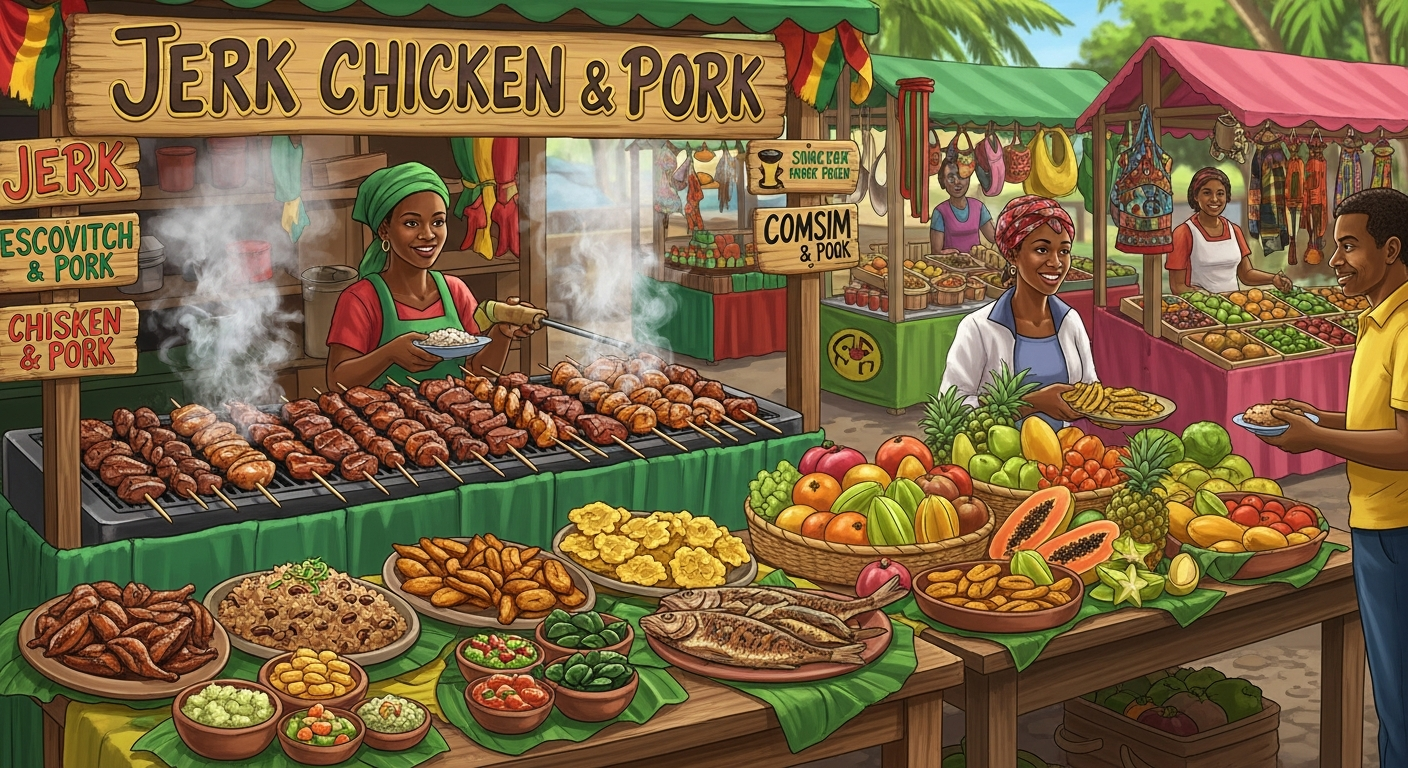
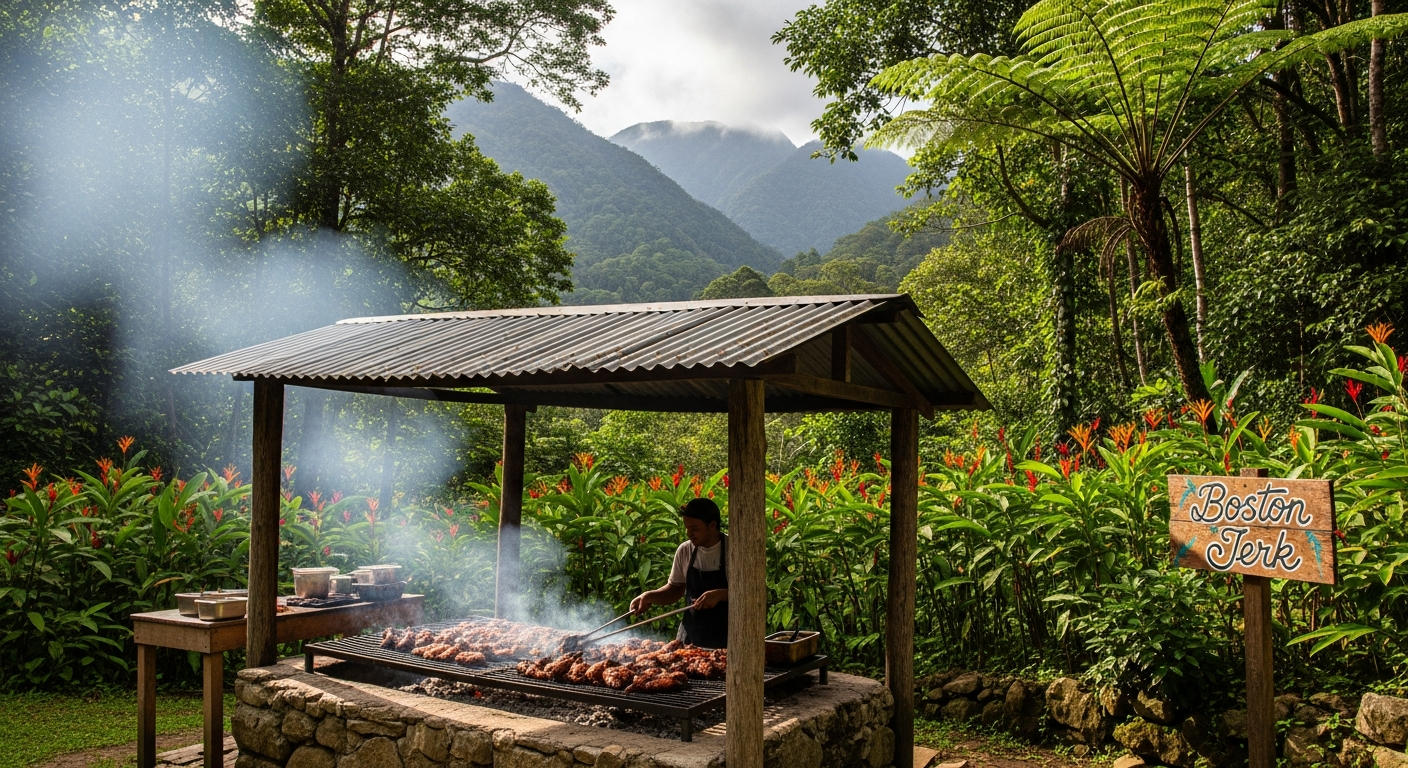
Roadside jerk vendors began appearing along Jamaica's coastal roads, most notably at Boston Bay in Portland Parish. Boston Bay is widely credited as the birthplace of commercial jerk cooking — where jerk first became a food sold to the public rather than prepared privately. Chicken replaced or joined pork as the primary protein as poultry became more affordable and widely raised.
1970s–1990s: Diaspora Spread
Jamaican immigration to the United Kingdom, Canada, and the United States created diaspora communities that brought jerk cooking techniques and commercial jerk seasoning products with them. Walkerswood and Grace became the first commercially exported Jamaican jerk seasoning brands. Jerk chicken restaurants appeared in London's Brixton, Toronto's Caribbean neighborhoods, and New York's Brooklyn.
2000s–Present: Global Phenomenon
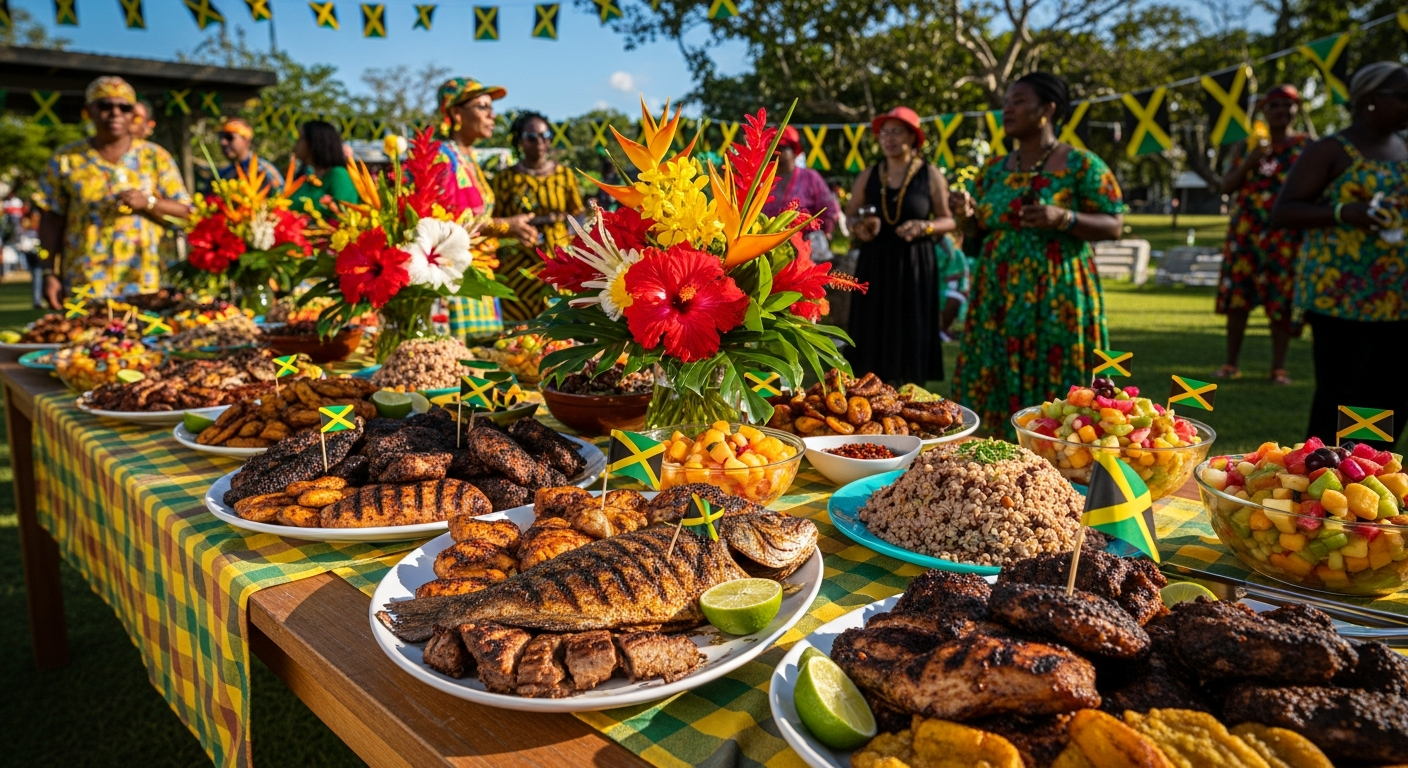
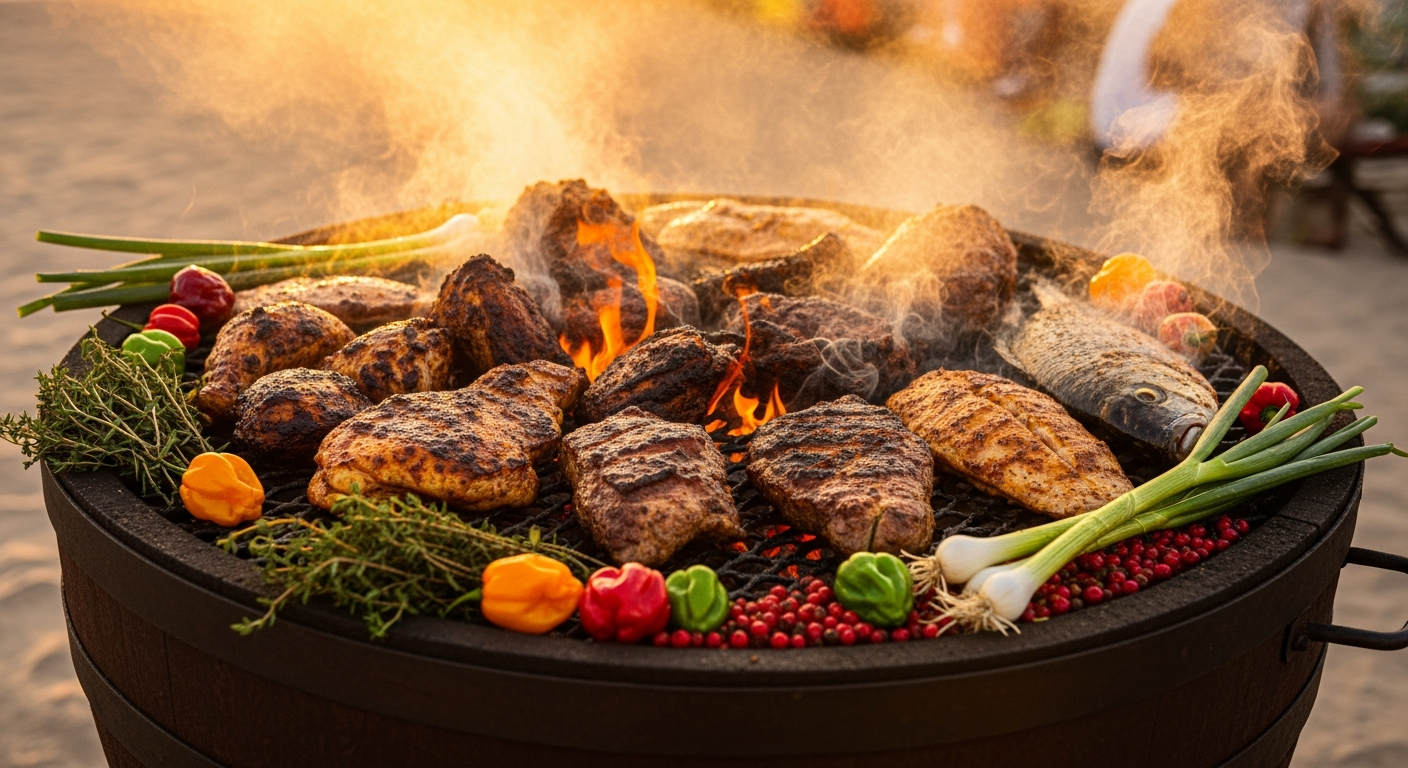
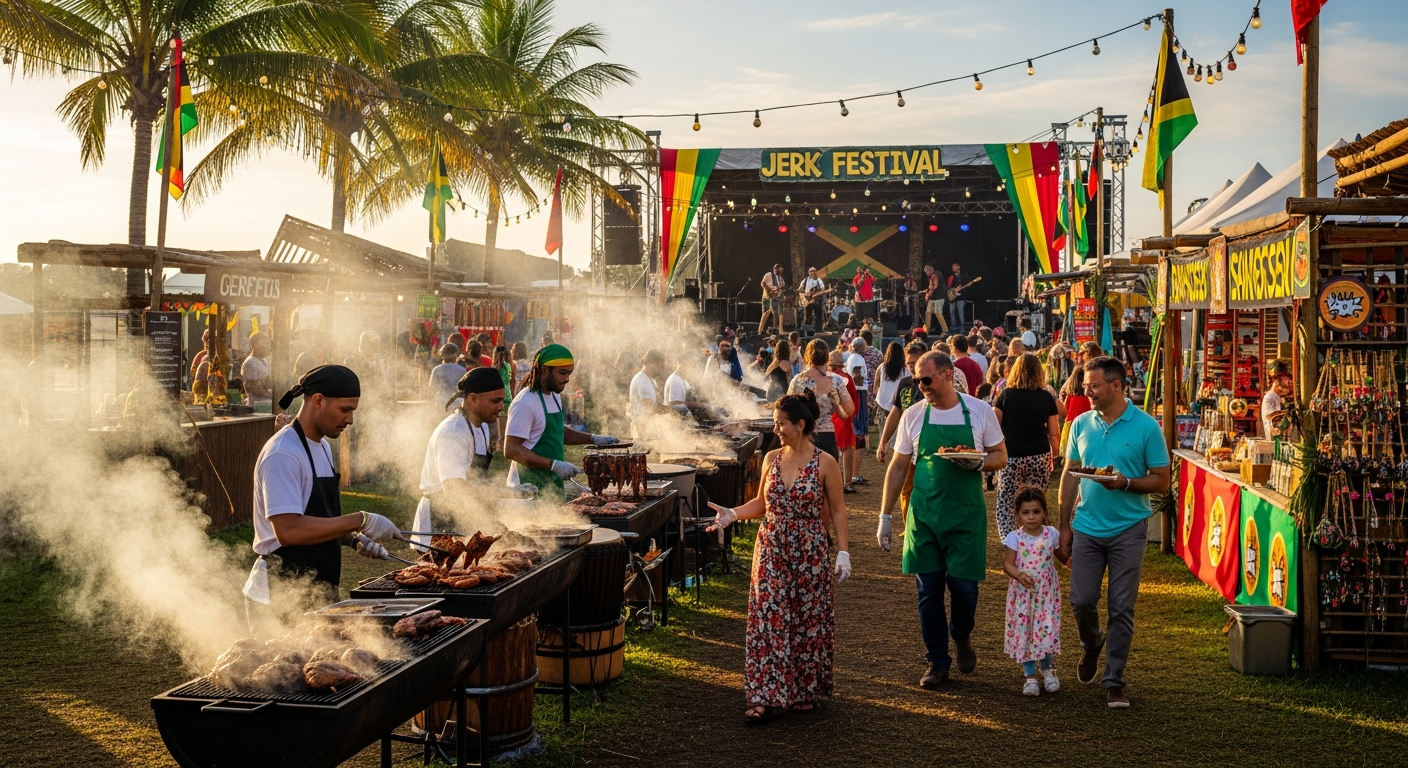
Jerk chicken is now served in over 70 countries, at mainstream restaurant chains, fine dining establishments, food festivals, and home kitchens worldwide. Jamaica hosts an annual International Jerk Festival. The technique has been applied to everything from tofu to seafood to vegetables. Yet the core flavor profile — allspice, scotch bonnet, pimento wood smoke — remains unchanged from its 17th-century Maroon origins. See our jerk marinade recipe and jerk seasoning guide for how to make it at home.