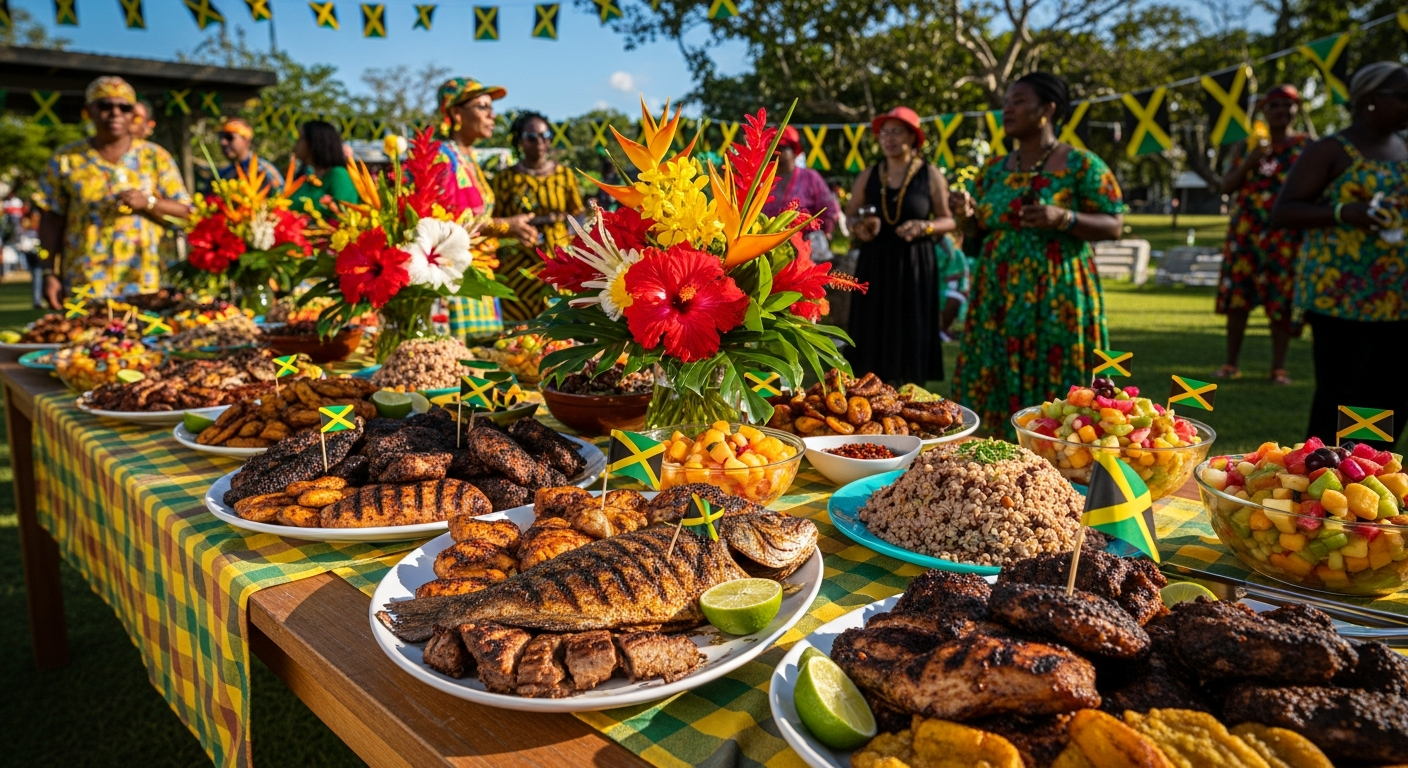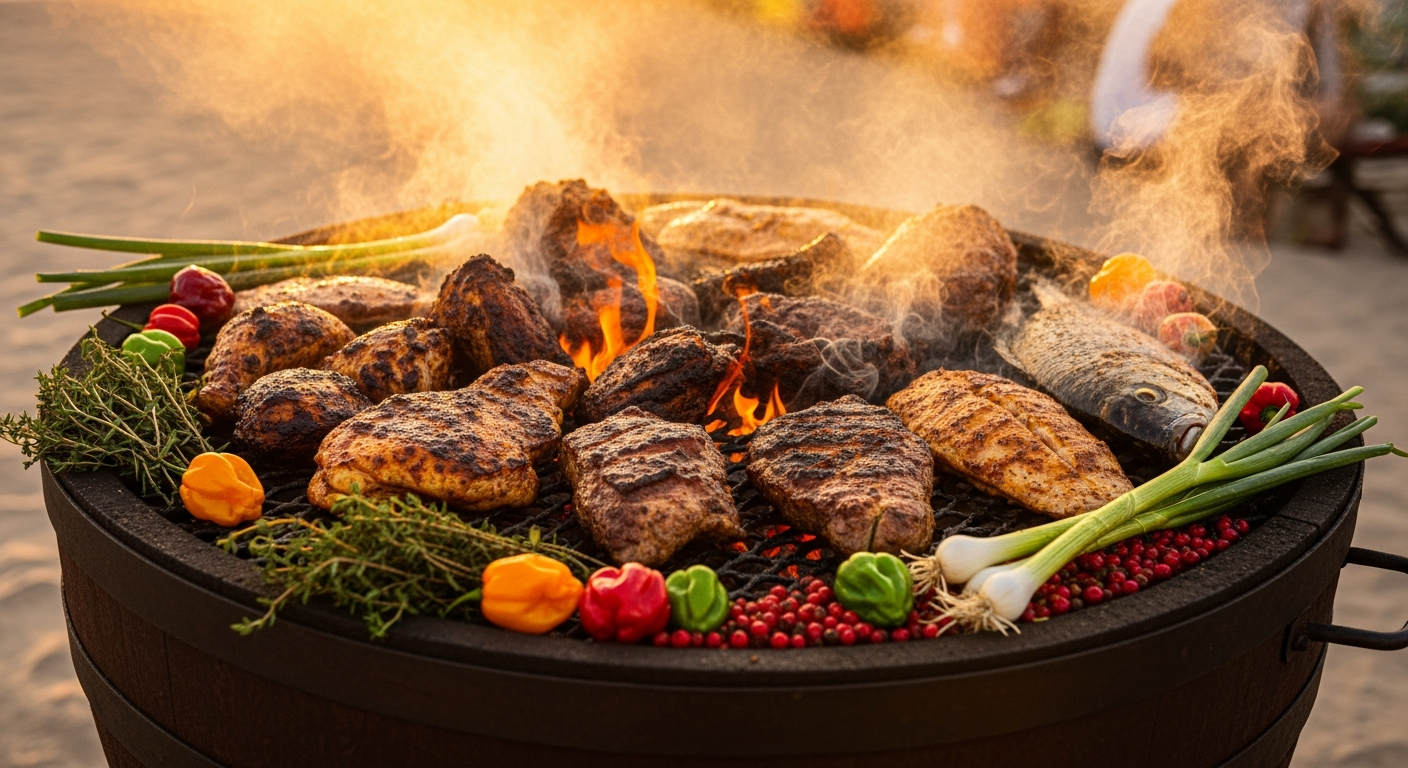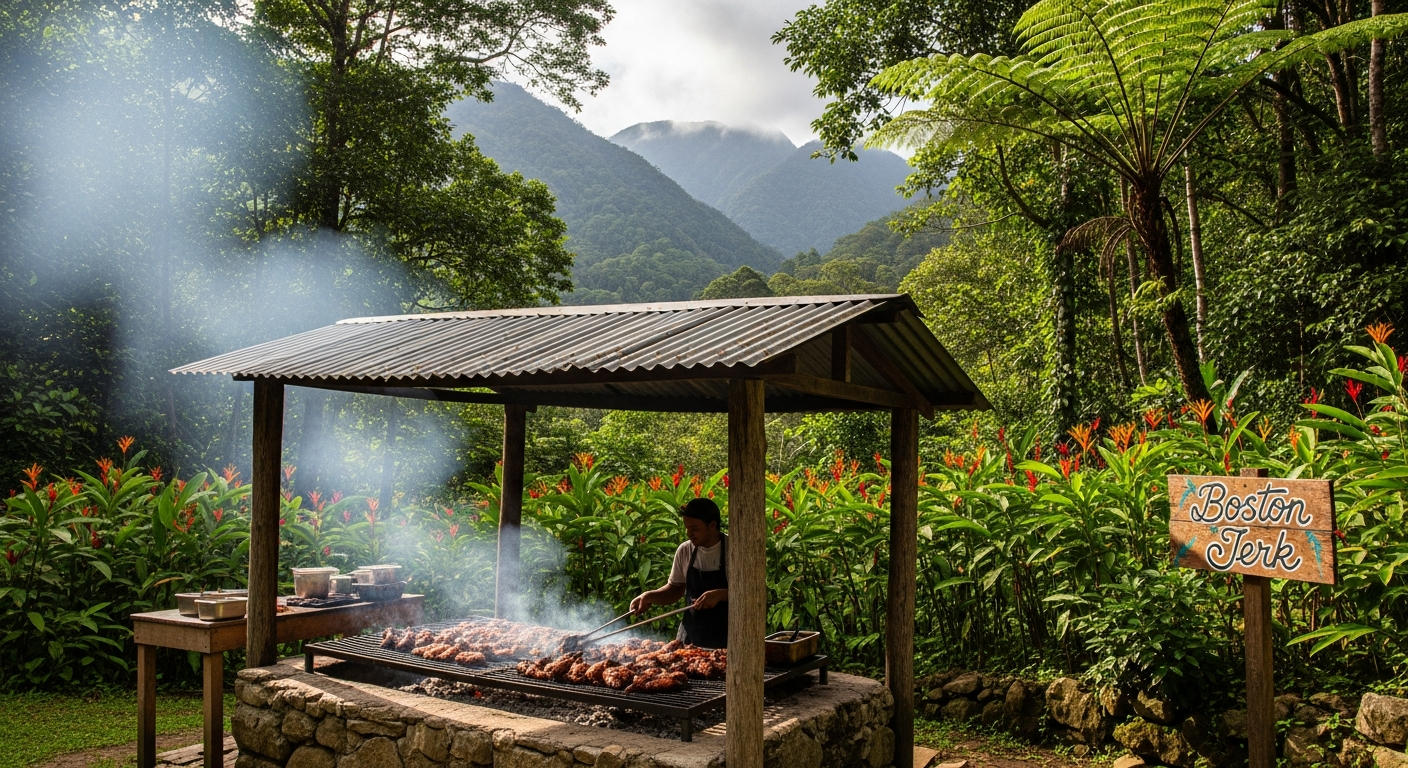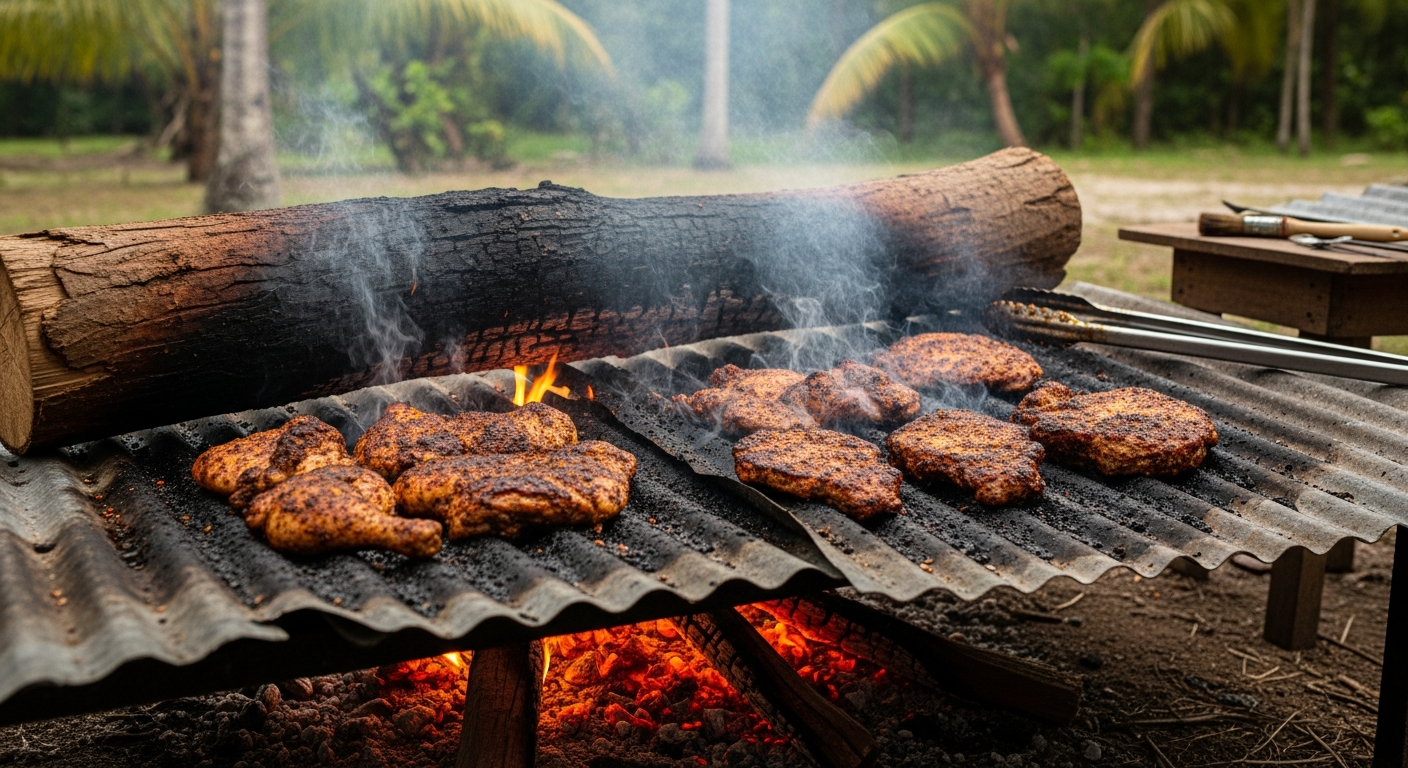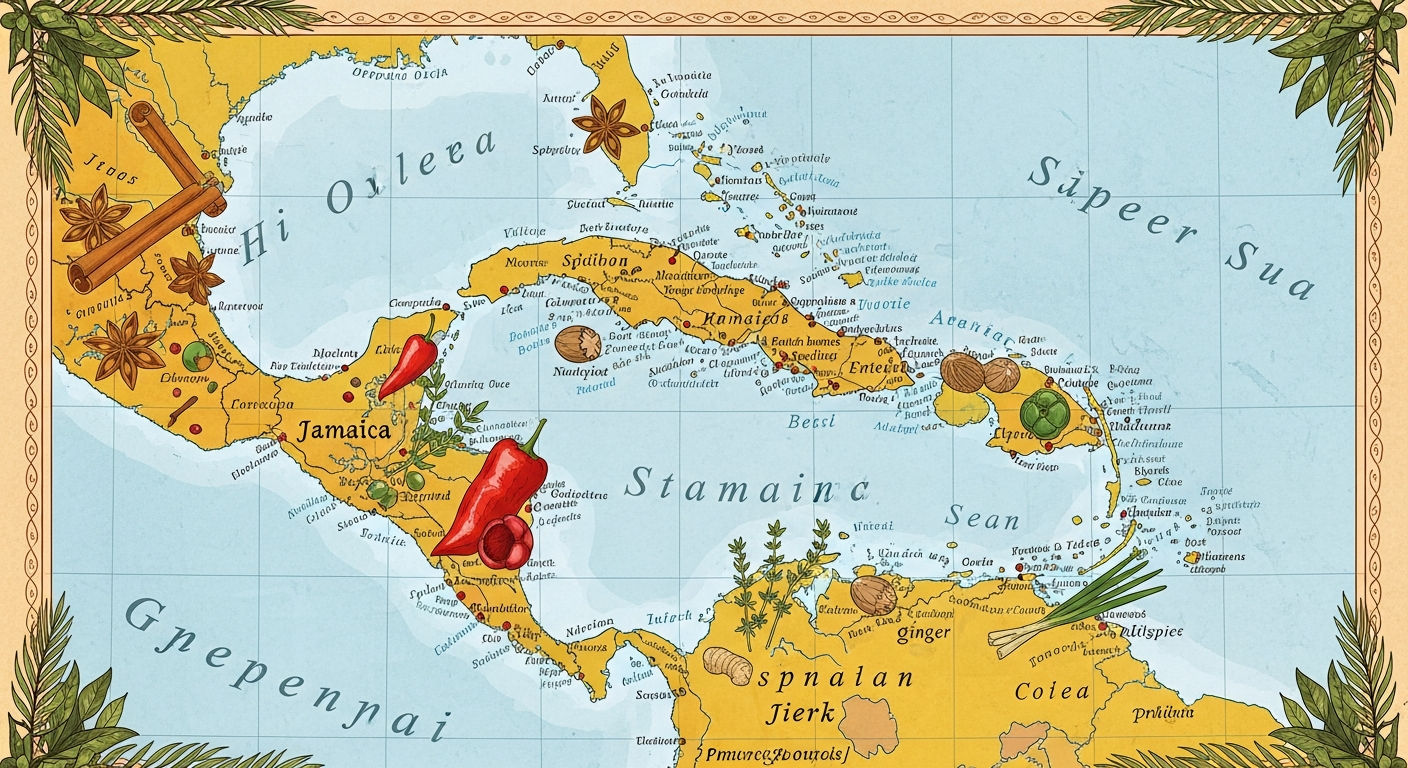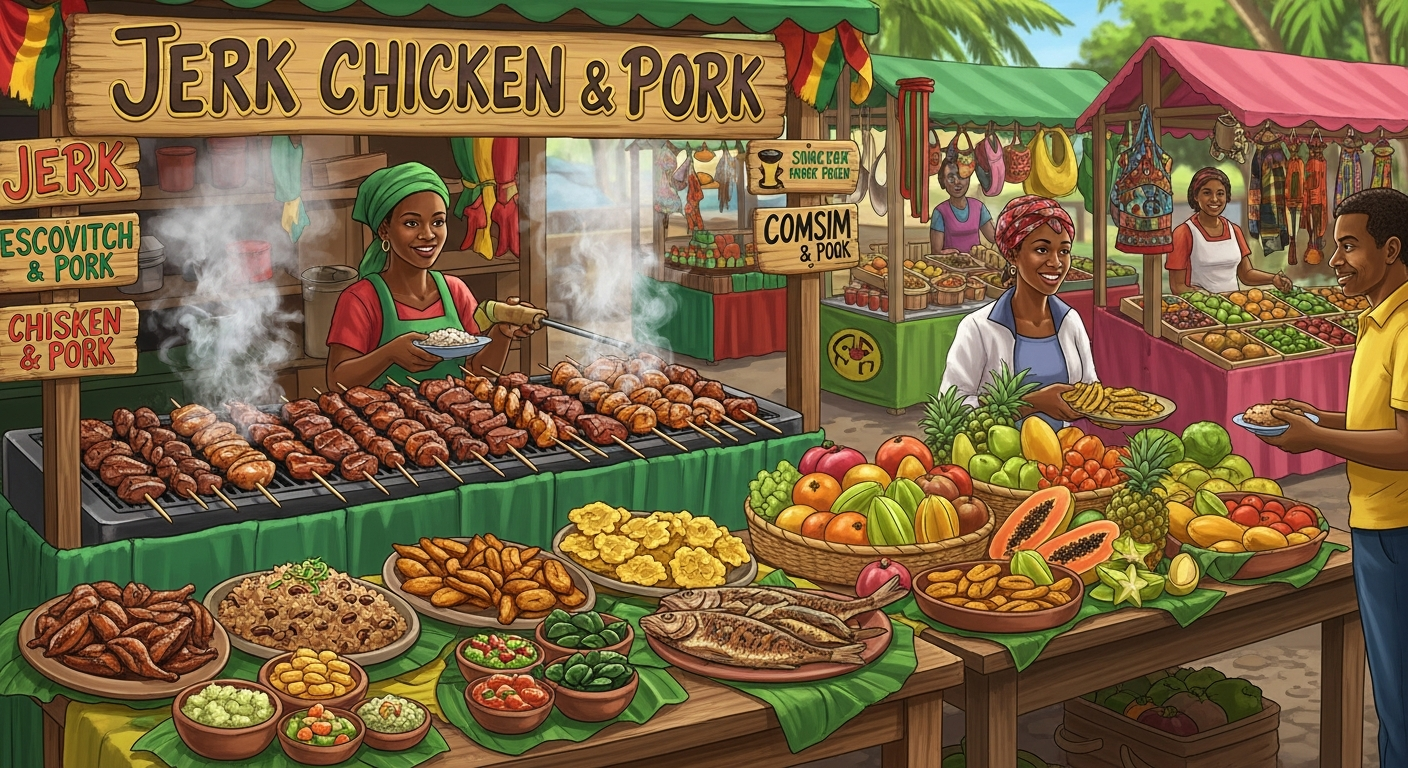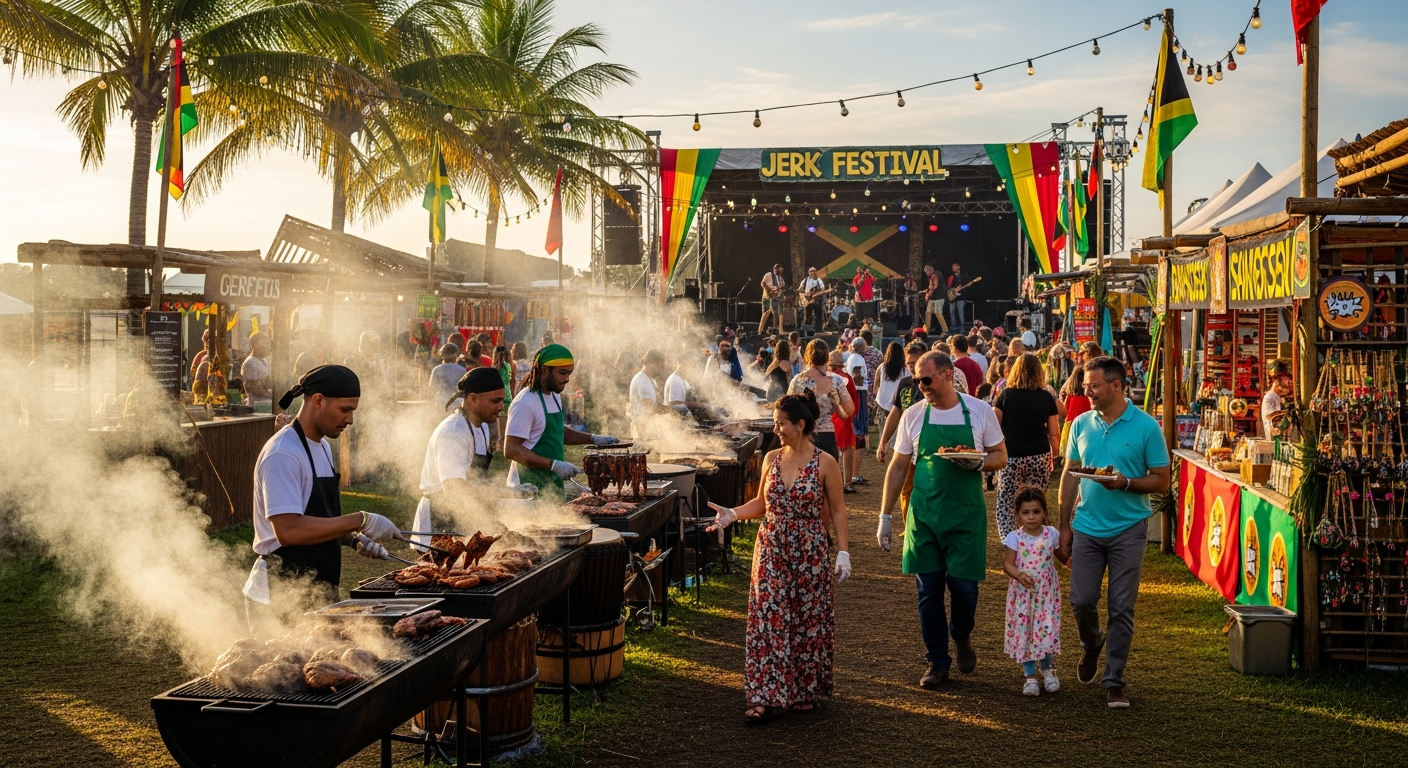
Jerk cooking spread from Jamaica to the world through three intersecting forces: the Jamaican diaspora (communities carrying authentic cooking traditions to new cities), commercial seasoning exports (Walkerswood, Grace making jerk accessible to non-Jamaicans globally), and the world's growing appetite for bold, spiced food (jerk arrived in international food culture at exactly the right time). Today jerk cooking is practiced in over 70 countries — but the story of how it got there is worth knowing.
The Jamaican Diaspora (1950s–1980s)
The primary vector for jerk cooking's global spread was the Jamaican diaspora. Following the British Nationality Act of 1948, Jamaica's post-WWII generation began emigrating to the United Kingdom in large numbers. Jamaican communities formed in London (Brixton, Notting Hill, Hackney), Birmingham, and Manchester. These communities maintained their food traditions — including jerk cooking — and eventually opened restaurants and takeaways serving Caribbean food to non-Jamaicans.
The first dedicated Jamaican jerk restaurants in London appeared in the late 1970s. Simultaneously, Jamaican communities in Toronto's Jane-Finch neighborhood, New York's Crown Heights and Flatbush (Brooklyn), and Miami's Little Haiti were establishing Caribbean restaurants. Each city developed its own jerk scene, adapting the cooking slightly to local ingredient availability — charcoal instead of pimento wood primarily — while maintaining the essential seasoning formula.
Commercial Products (1970s–1990s)
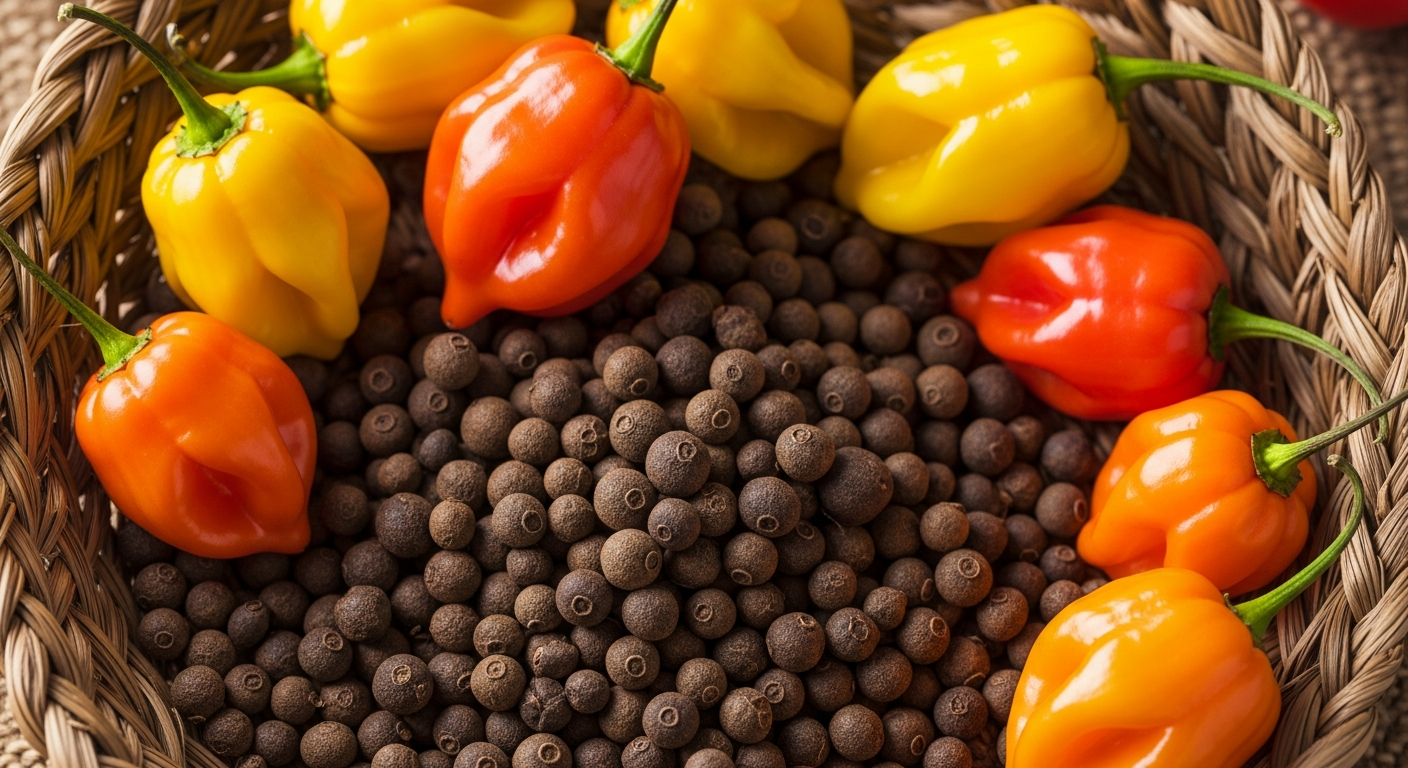
Walkerswood Caribbean Foods (founded in Saint Ann, Jamaica) and Grace Kennedy began exporting Jamaican jerk seasoning paste internationally in the 1970s. These products made it possible for non-Jamaican cooks to access authentic jerk flavor without needing to source and blend fresh scotch bonnet peppers and Jamaican allspice. Walkerswood became available in UK supermarkets in the 1980s and American specialty stores in the 1990s. This commercial availability accelerated jerk's spread beyond diaspora communities to mainstream British, American, and Canadian cooking.

Jerk Today: A Global Flavor
Today jerk chicken appears on mainstream restaurant menus worldwide, from fast-food chains (Subway, Nando's, Popeyes) to Michelin-starred restaurants. Food media — cooking shows, food blogs, YouTube — amplified jerk's visibility in the 2000s–2010s. The technique has been applied to proteins beyond chicken: jerk shrimp, jerk salmon, jerk pork ribs, jerk cauliflower, jerk tofu. The flavor profile (allspice + scotch bonnet + herbs + char) is now globally recognized even by people who have never been to Jamaica. See our jerk marinade recipe to make the authentic version at home, our jerk seasoning guide for the best products, and our pairing guide for the full Jamaican experience.