The history of jerk seasoning is the history of survival, resistance, and the extraordinary human capacity to create something magnificent from necessity. Jerk is not simply a recipe — it is a culinary artifact of one of the most remarkable chapters in Caribbean history, developed by people who had every reason not to celebrate anything and chose to create something the whole world would one day desire. Understanding where jerk comes from transforms how you experience every bite.
Taino Origins: The First Jerkers
Long before Christopher Columbus arrived in Jamaica in 1494, the Taino people — the indigenous inhabitants of the Caribbean — had developed sophisticated methods for preserving and cooking meat. The Taino word for this technique was "charqui," which described meat that had been dried, smoked, and seasoned to prevent spoilage in the tropical heat. Spanish colonizers encountered this preserved meat and adapted the word, which eventually evolved into the English "jerky."
The Taino cooked meat over a framework of green wood sticks arranged above a slow-burning fire — a cooking structure they called a "barbacoa." This word would become the origin of our modern "barbecue." They seasoned the meat with native peppers, seeds, and herbs, creating the earliest precursor to what would become Jamaican jerk. When European colonizers decimated the Taino population through disease and forced labor, much of this culinary knowledge seemed at risk of disappearing entirely — but it survived through a different group who needed it even more desperately.
The Maroon Warriors: Jerk as Survival
When British forces captured Jamaica from the Spanish in 1655, the Spanish released their enslaved African workers and armed them to fight as guerrilla warriors. These freed Africans fled into the island's interior mountain ranges — particularly the Blue Mountains and the Cockpit Country — and became known as the Maroons. They would fight British colonial forces for nearly a century, never being fully defeated, ultimately negotiating a historic peace treaty in 1739 that guaranteed their freedom and autonomy.
In the mountains, the Maroons needed food that could sustain warriors on long patrols without refrigeration, that produced minimal smoke to avoid detection, and that could be prepared quickly when the opportunity arose. They combined their West African culinary traditions with techniques learned from surviving Taino communities and knowledge of native Jamaican ingredients, creating what historians now recognize as the direct ancestor of modern jerk cooking.
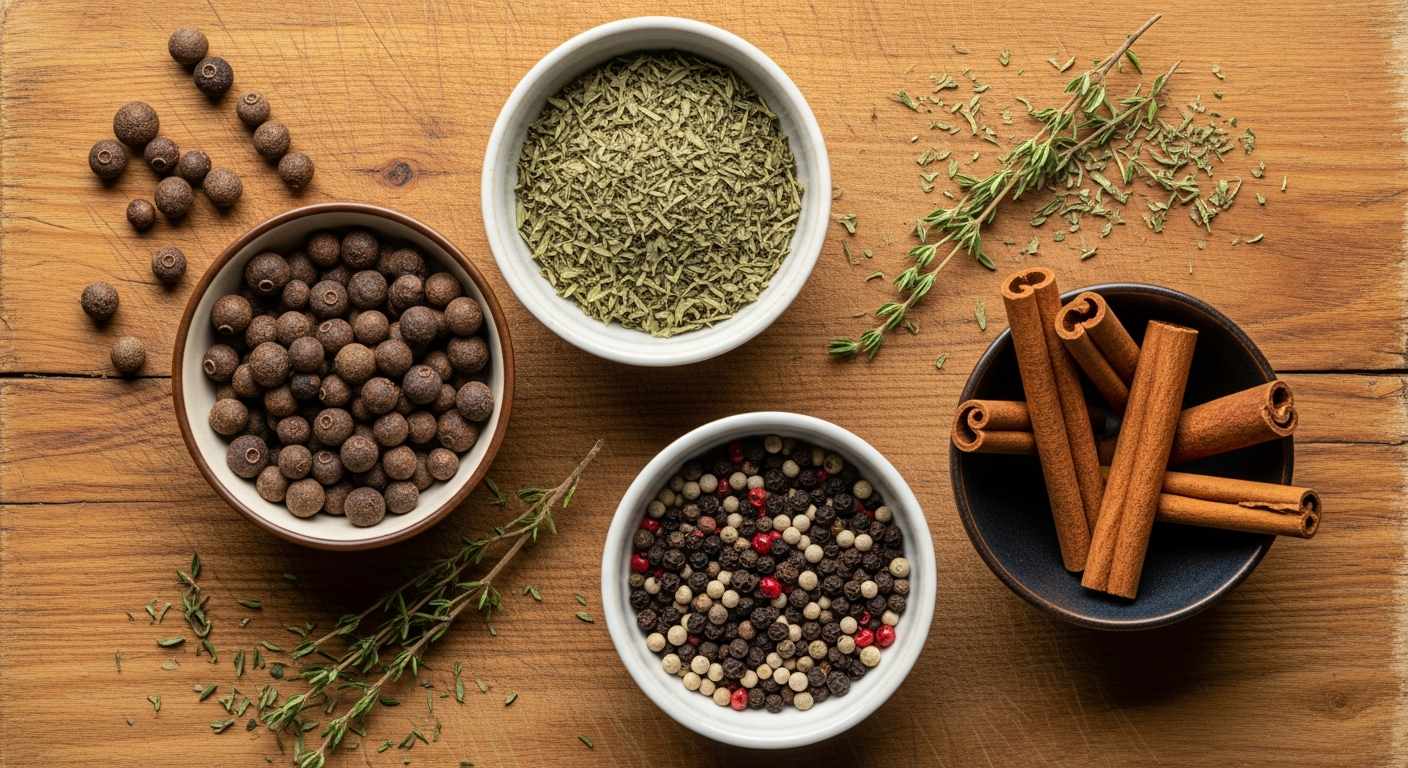
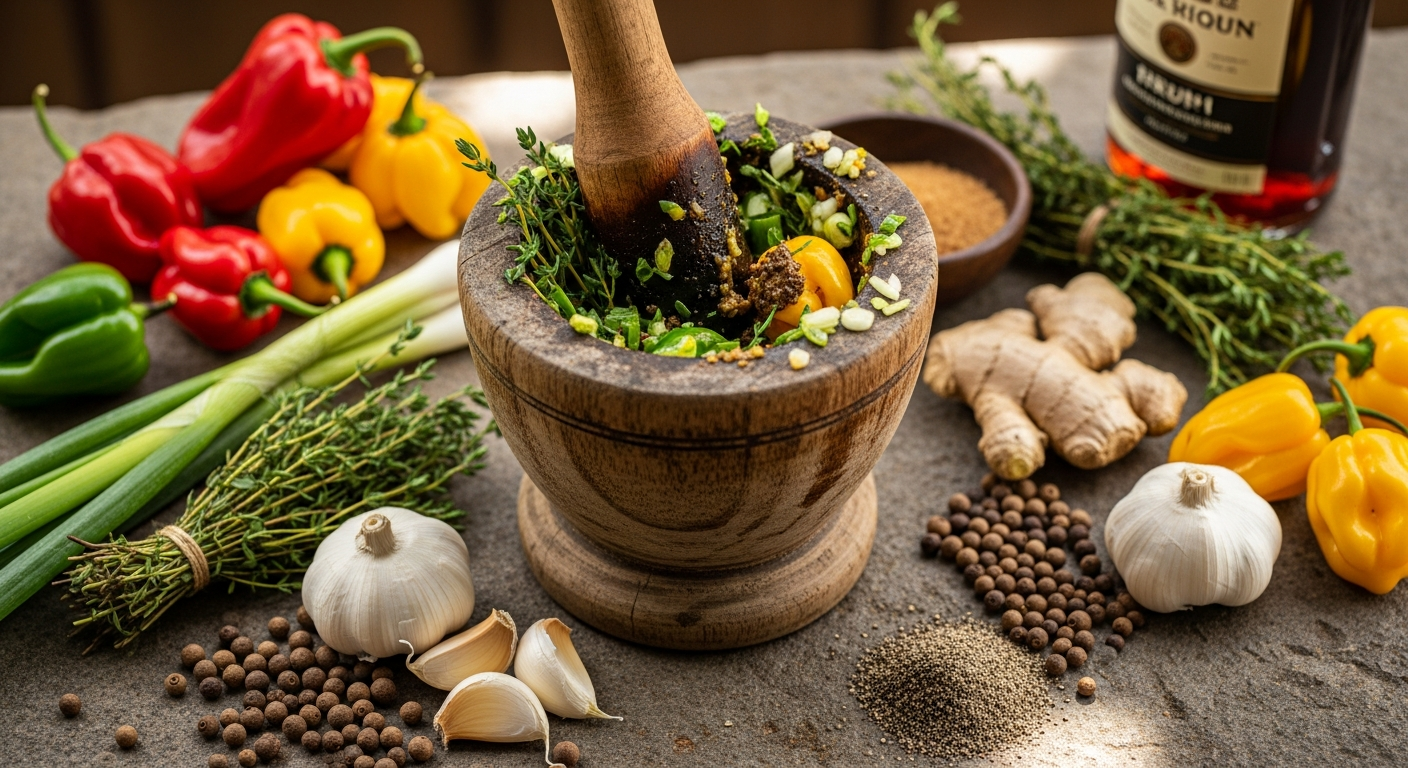
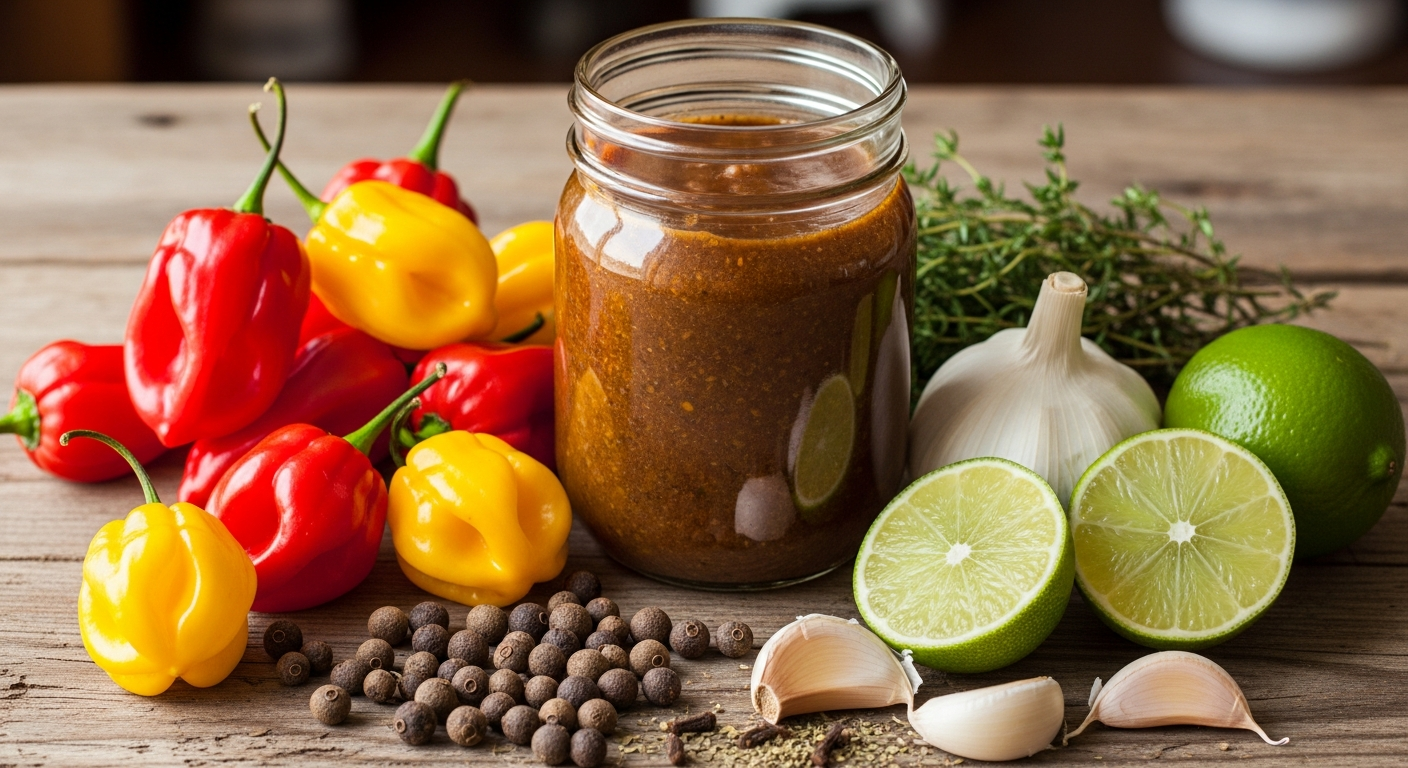
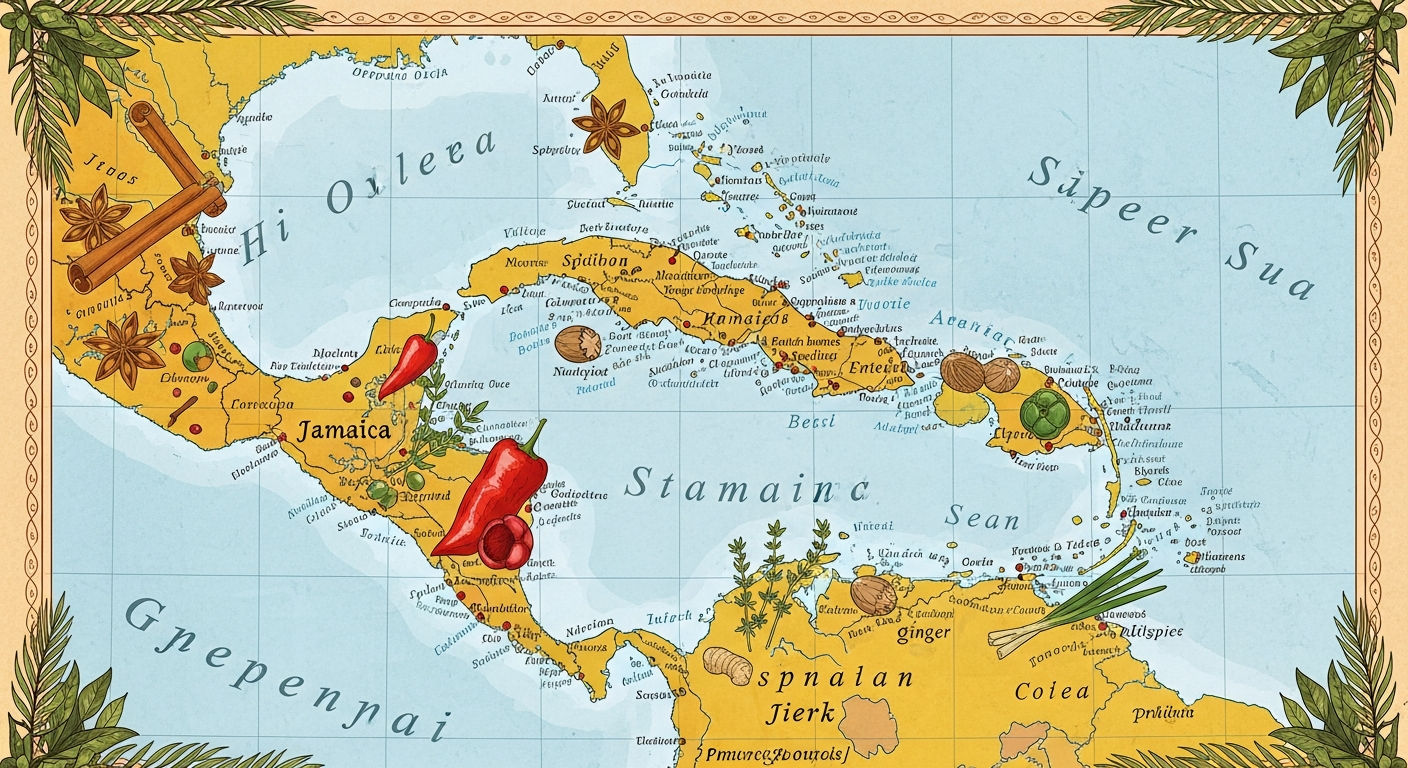
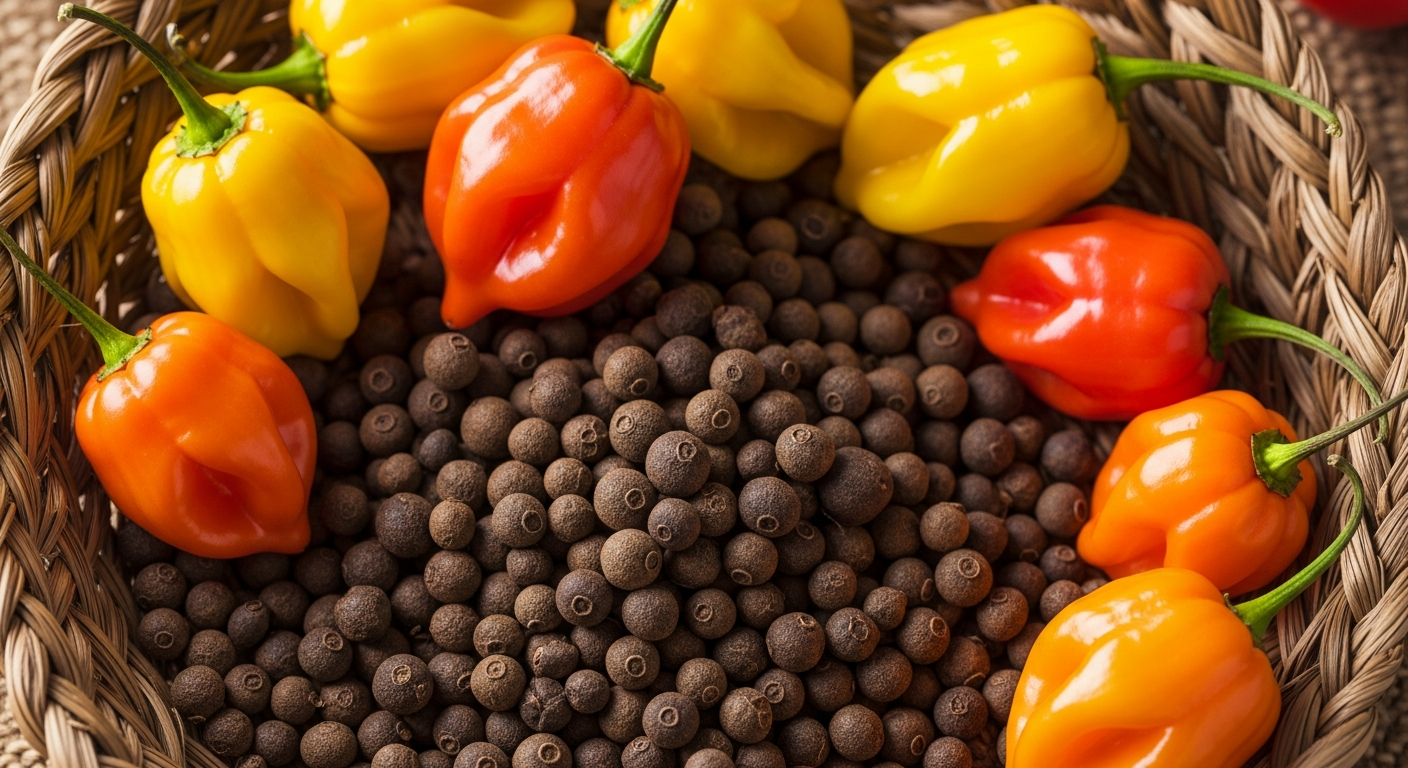
The Maroons hunted wild boar — feral pigs descended from animals brought by the Spanish — and preserved the meat using a technique that combined drying, smoking, and heavy seasoning. The seasoning was not random. Every ingredient served a specific preservation or flavor purpose: allspice berries (native to Jamaica and abundantly available) provided antimicrobial properties alongside their complex flavor; scotch bonnet peppers added capsaicin, which also has antimicrobial properties and helped preserve the meat; salt drew out moisture; and fresh thyme contributed additional preservative compounds.
The cooking method was equally deliberate. The Maroons buried the seasoned meat in pits lined with pimento wood (the wood of the allspice tree), covered the pits with leaves and earth, and slow-cooked the meat for hours in the trapped heat and smoke. This underground cooking method produced no visible smoke plume, made no fire noise, and left no ash — it was, in addition to being delicious, tactically sound cooking for warriors trying to avoid detection.
Allspice: The Ingredient That Defines Jerk
The reason jerk seasoning tastes the way it does — with its unique combination of warm spice notes reminiscent of cinnamon, cloves, nutmeg, and black pepper simultaneously — is almost entirely because of allspice (Pimenta dioica), a tree native to Jamaica and other parts of the Caribbean. The Taino called it "pimienta," and early European visitors were so struck by its complexity that they named it "allspice" — the spice that tastes like all the spices combined.
Allspice was not simply an ingredient in early jerk cooking — it was the scaffolding around which the entire flavor system was built. The Maroons used every part of the pimento tree: the berries for seasoning, the wood for smoking and pit cooking, and the leaves for lining the cooking pits and wrapping meat. The result was a flavor that was simultaneously seasoning and smoke — the pimento wood smoke permeating the meat from the outside while the allspice berries worked from the inside.
Jamaica remains the world's largest producer of allspice today, and the best allspice still comes from the island's inland parishes. The specific combination of Jamaica's volcanic soil, elevation, humidity, and rainfall produces allspice berries with a more complex, layered flavor than allspice grown elsewhere. This is why authentic Jamaican jerk made with Jamaican allspice tastes qualitatively different from imitations made with imported spice.
Boston Bay and Portland Parish: Jerk's Modern Capital
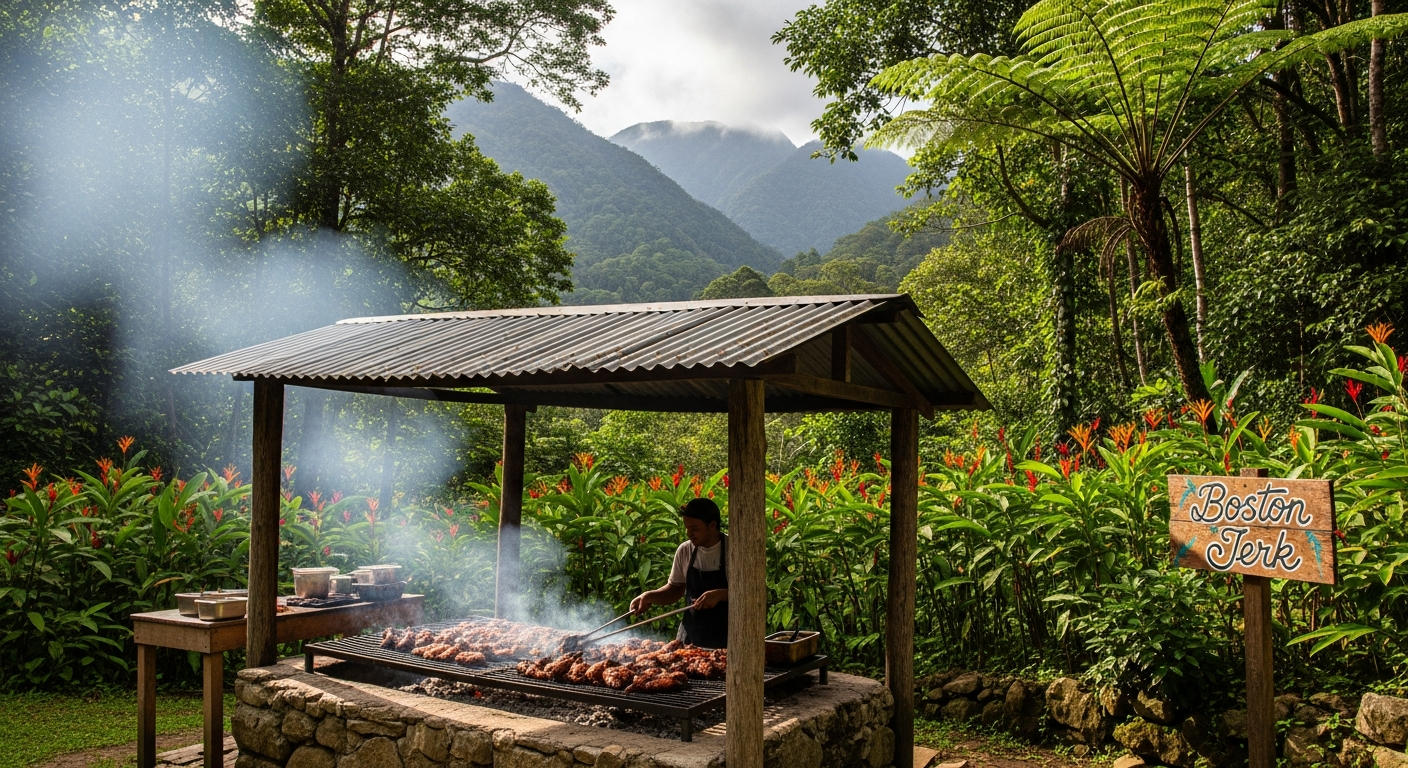
As Jamaica developed as a British colony and later as an independent nation, jerk cooking moved from the mountain hideouts of the Maroons into the mainstream of Jamaican life. The parish of Portland, on the island's northeastern coast, became the epicenter of this evolution. Specifically, a small beach area called Boston Bay became known in the mid-20th century as the home of the most serious jerk cooking in Jamaica.
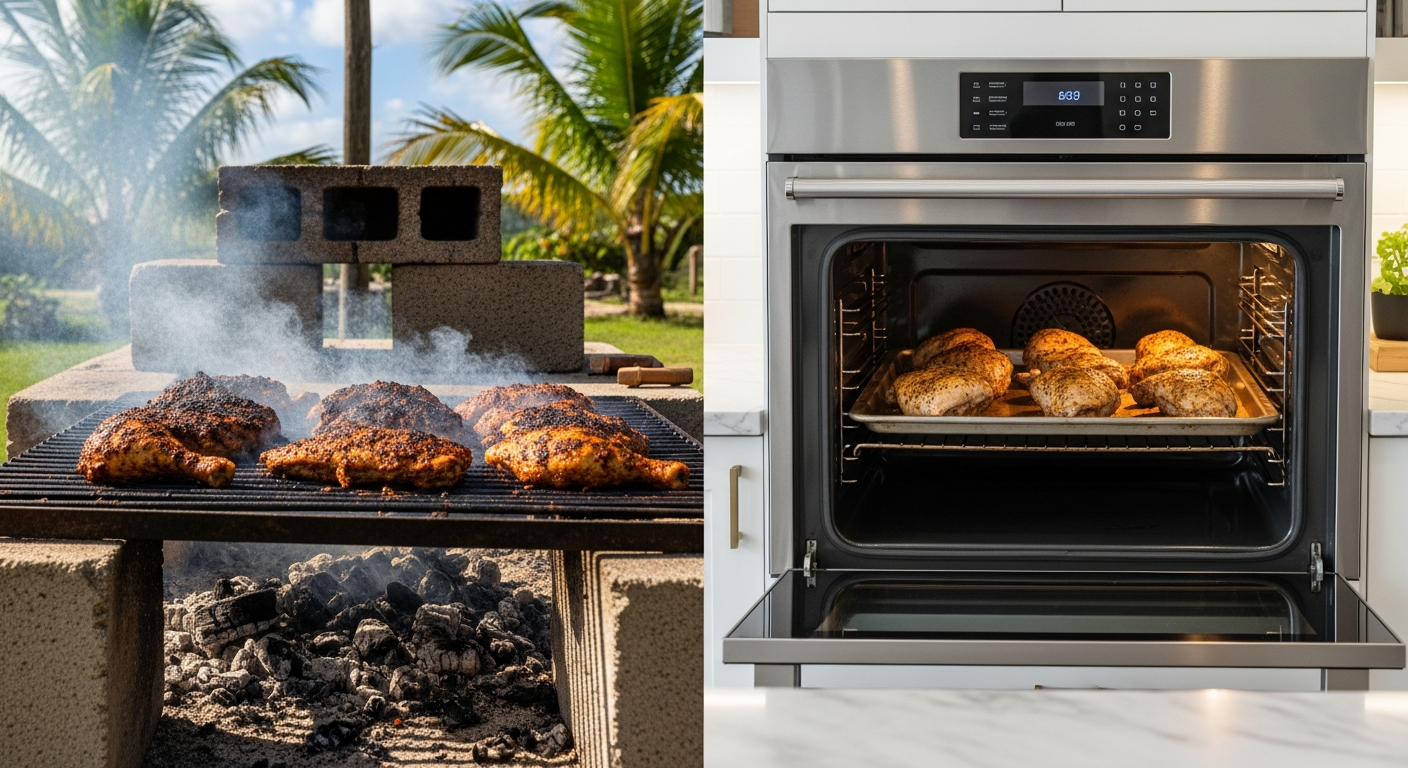
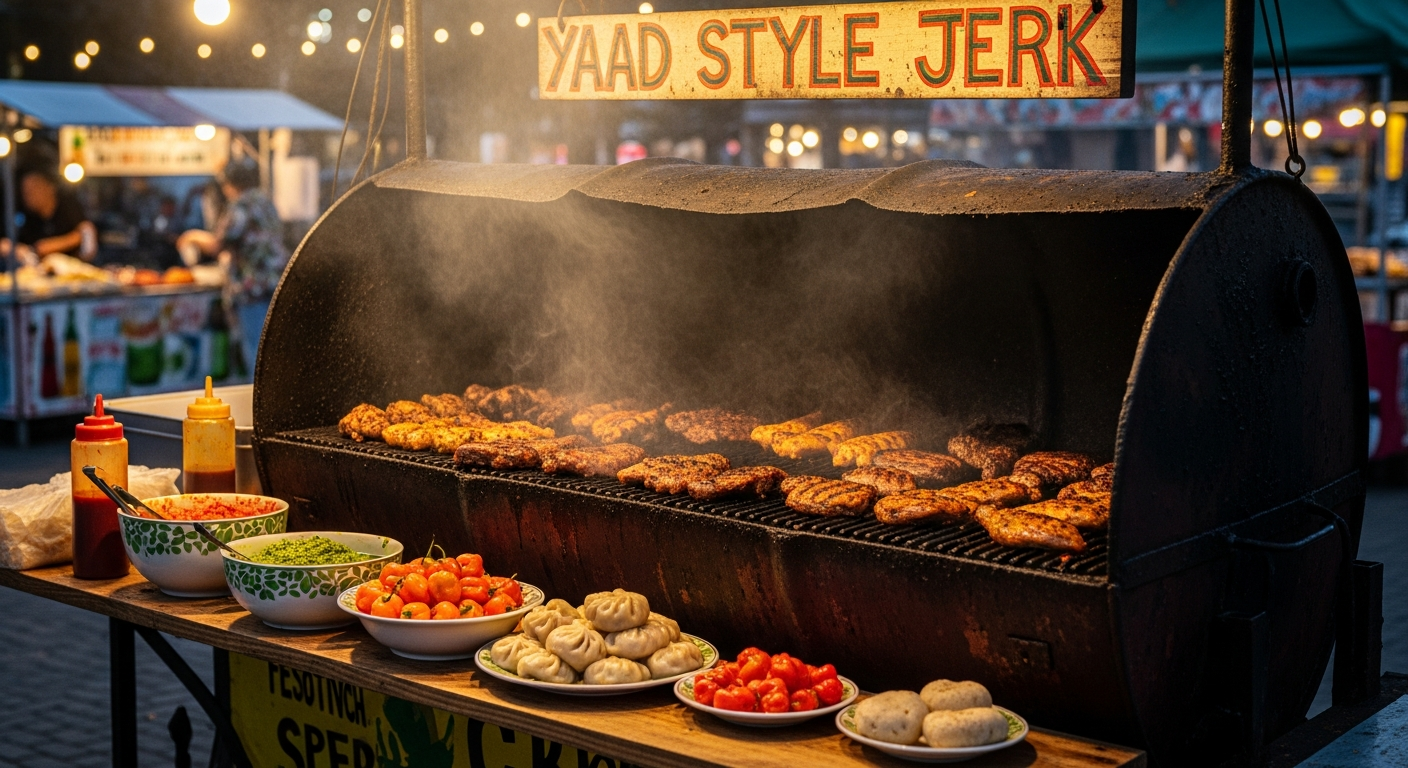
The vendors at Boston Bay cooked over pimento wood directly, using raised metal grills rather than pit fires — a practical adaptation that made jerk cooking faster and more commercially viable while preserving the essential flavor contribution of pimento wood smoke. The Boston Bay style — heavily charred exterior, deeply seasoned and smoky interior, served chopped and wrapped in newspaper — became the reference point for all subsequent serious jerk cooking in Jamaica.
Boston Bay vendors became legendary for the intensity and complexity of their jerk seasoning, which combined the traditional Maroon base of allspice and scotch bonnet with later additions including scallions, garlic, ginger, thyme, soy sauce (introduced through Chinese Jamaican culinary influence), brown sugar, and various proprietary additions that vendors guarded jealously. Some Boston Bay family recipes are claimed to be hundreds of years old; others are more recent innovations that became tradition within a generation.
Jerk Goes Global: The Diaspora Connection
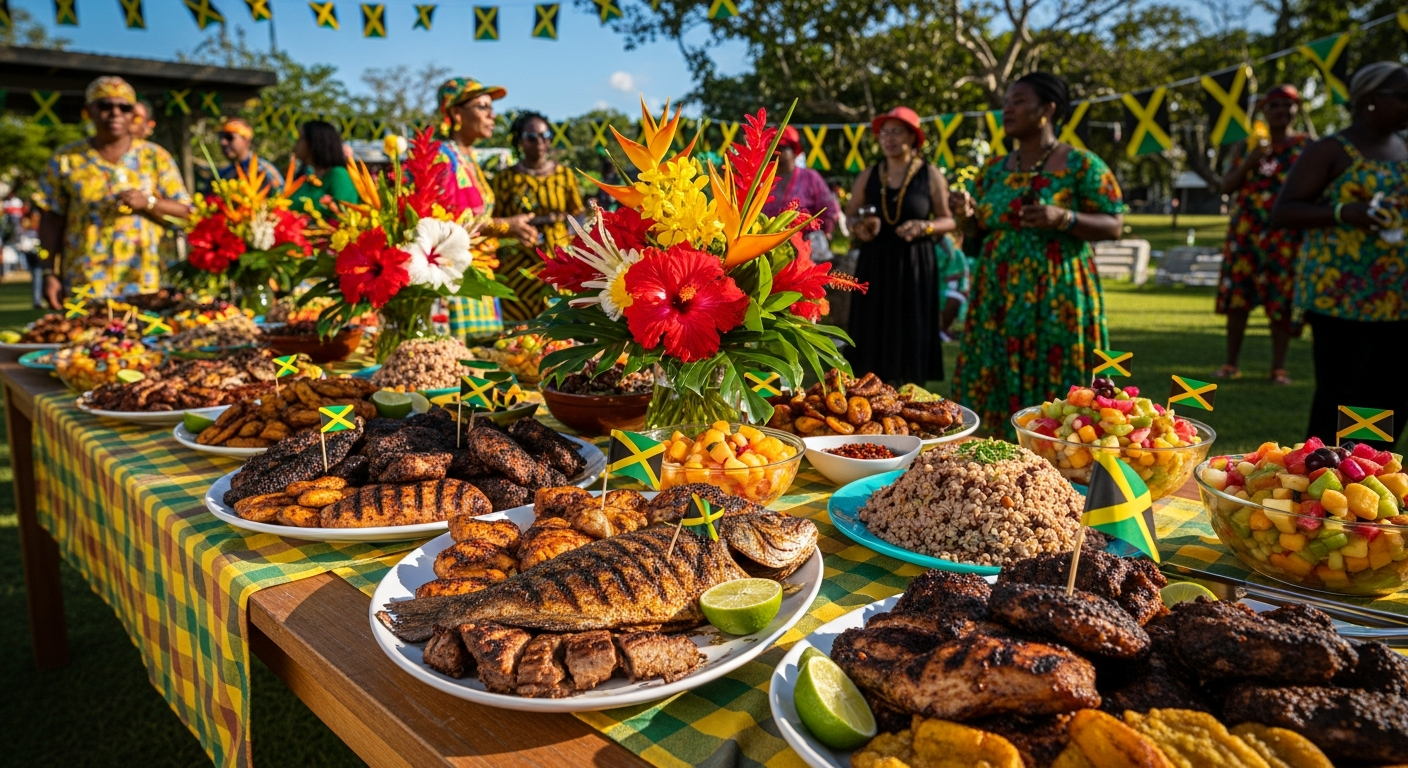
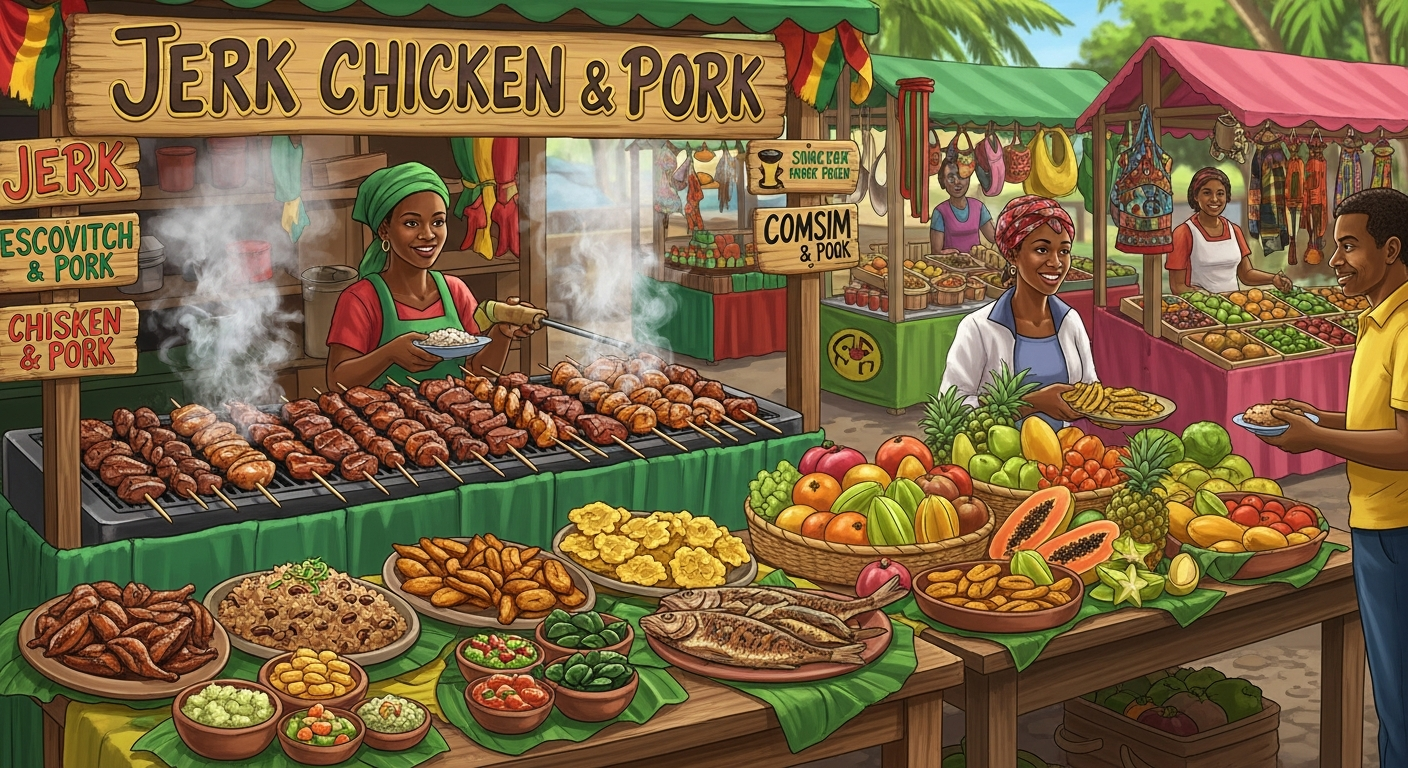
Jerk cooking spread beyond Jamaica primarily through the Jamaican diaspora — the millions of Jamaicans who emigrated to the United Kingdom, the United States, and Canada beginning in the 1950s and accelerating through the 1970s and 1980s. In London's Brixton and Notting Hill neighborhoods, in New York's Brooklyn and the Bronx, in Toronto's Scarborough district, Jamaican immigrants set up restaurants and food stalls serving jerk chicken and pork to other Caribbean immigrants and, increasingly, to curious non-Jamaican customers.
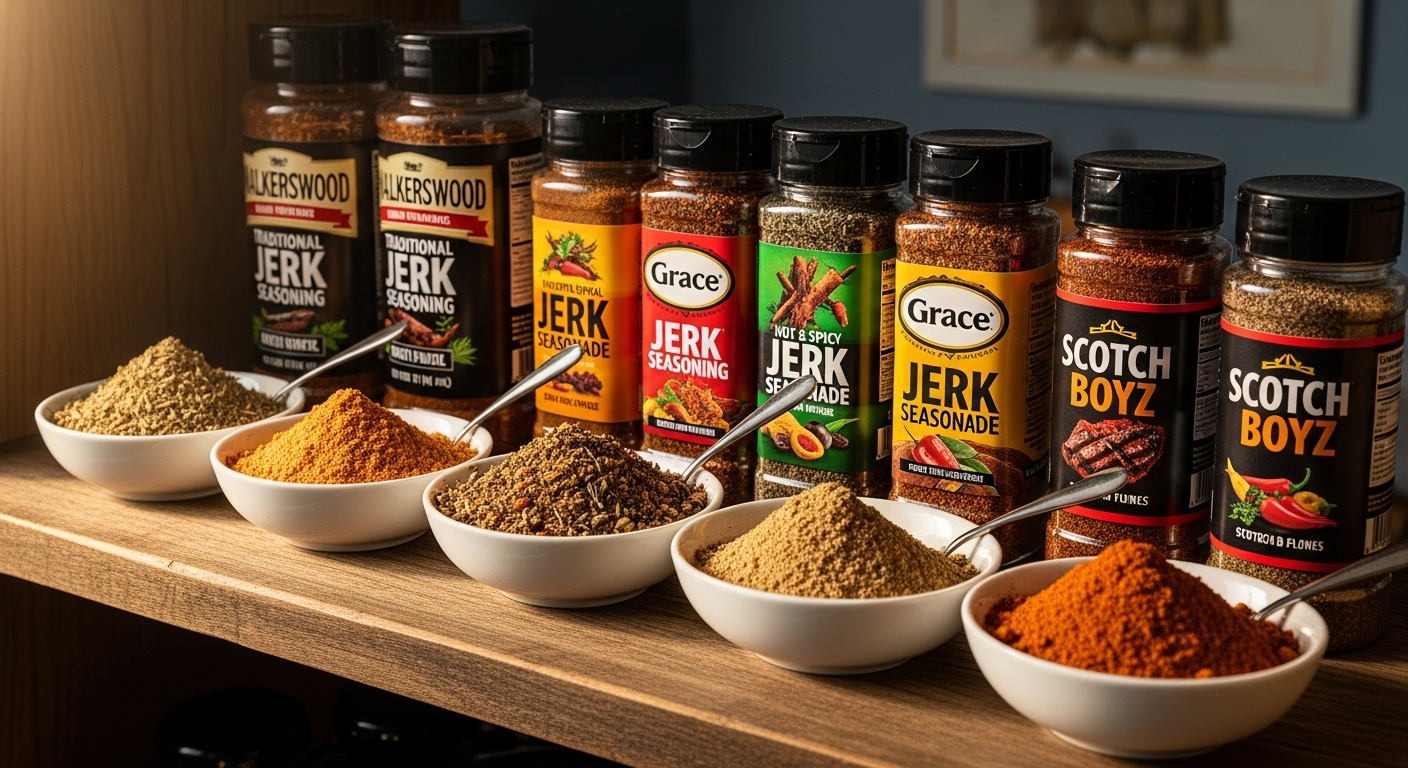
By the 1980s and 1990s, jerk chicken had crossed over into mainstream food culture in the United Kingdom and North America. Grocery chains began stocking jerk seasoning blends; celebrity chefs incorporated jerk flavors into upscale menus; food writers celebrated jerk as one of the world's great barbecue traditions. The reggae music and Rastafarian culture that emerged from Jamaica in the same period created a global fascination with everything Jamaican, and jerk cooking rode that cultural wave into international prominence.
How Jerk Flavor Has Evolved Over Centuries
The jerk seasoning of the original Maroon warriors would be recognizable but not identical to modern jerk. The core of allspice and scotch bonnet has remained constant; the aromatic complexity of scallions and thyme has been present since at least the 19th century. But several ingredients are more recent additions that have become so integral to the modern recipe that they now seem traditional: soy sauce (mid-20th century Chinese Jamaican influence), brown sugar (post-slavery Jamaican sugar production made it abundantly affordable), fresh ginger (growing influence of Chinese and Indian immigrants), and lime juice (acid became standard in the 20th century marinade era).
The shift from pit cooking to grill cooking changed the texture and flavor profile of jerk chicken significantly. Pit-cooked jerk has an extraordinarily deep smoke penetration and a pulled, tender texture from hours of slow cooking. Grill-cooked jerk is faster, has a more pronounced charred exterior, and requires a more intense marinade to compensate for shorter marination and cooking time. Both styles are considered authentic; they represent different generations of the same tradition adapting to different circumstances.
Jerk Seasoning Today: A Living Tradition
Today, jerk seasoning is simultaneously a preserved cultural heritage and a living, evolving culinary tradition. In Jamaica, serious debates continue about what constitutes "authentic" jerk — the role of pimento wood, the balance of heat, the relative importance of wet marinade versus dry rub — and these debates are as passionate as arguments about the authenticity of regional barbecue styles anywhere in the world.
Outside Jamaica, jerk has inspired a family of fusion dishes and adaptations that would surprise and perhaps delight the Maroon warriors who invented the original technique. Jerk tacos, jerk pizza, jerk burgers, jerk pasta, jerk salmon, jerk cauliflower — the flavor profile has proven infinitely adaptable because the core of allspice and scotch bonnet works with virtually any protein or vegetable.
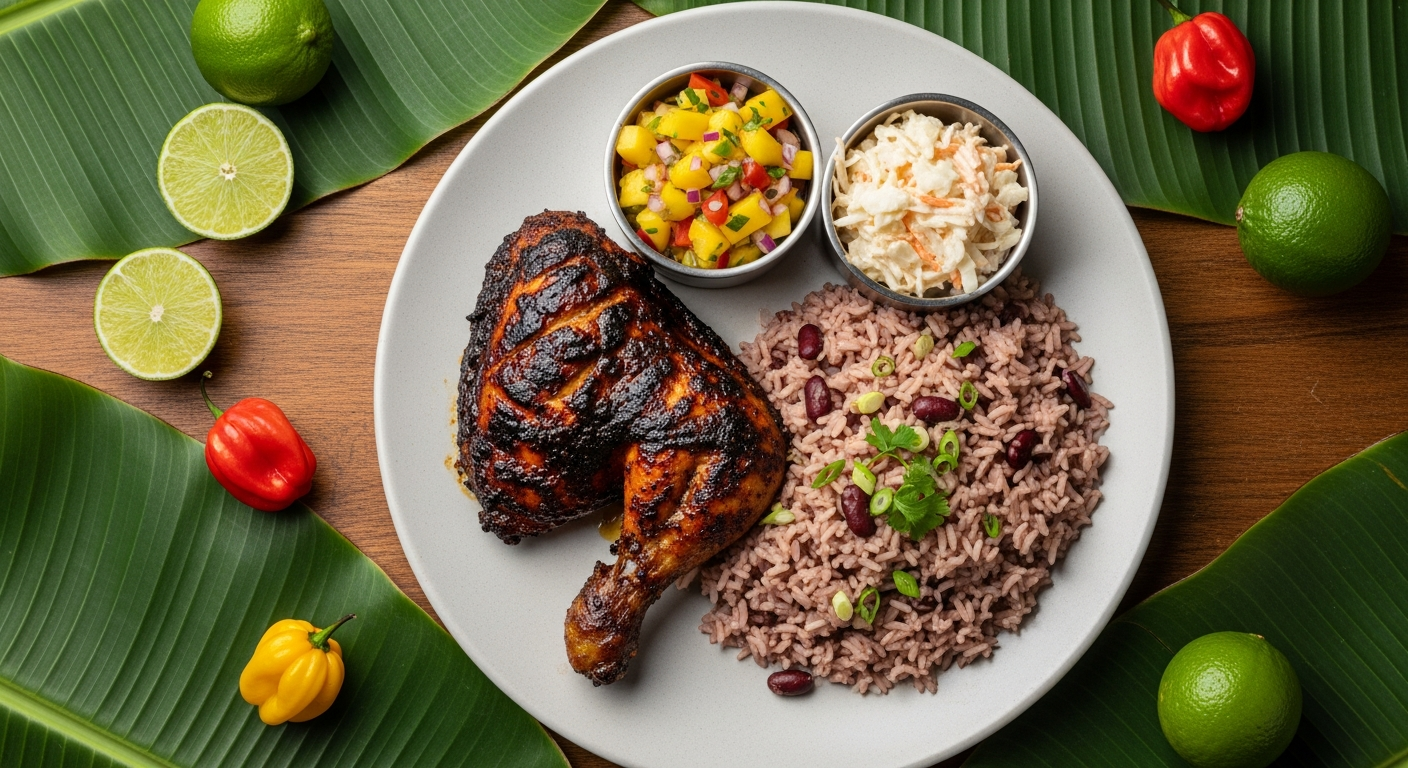
What remains constant across all these variations is the essential character: warm spice complexity from allspice, fiery heat from scotch bonnet, herbaceous freshness from thyme, sharp brightness from scallions, and a smokiness — real or simulated — that recalls the pimento wood fires of the Blue Mountains. Those elements together are the history of jerk seasoning made edible. Every great jerk dish is a small piece of that extraordinary story.