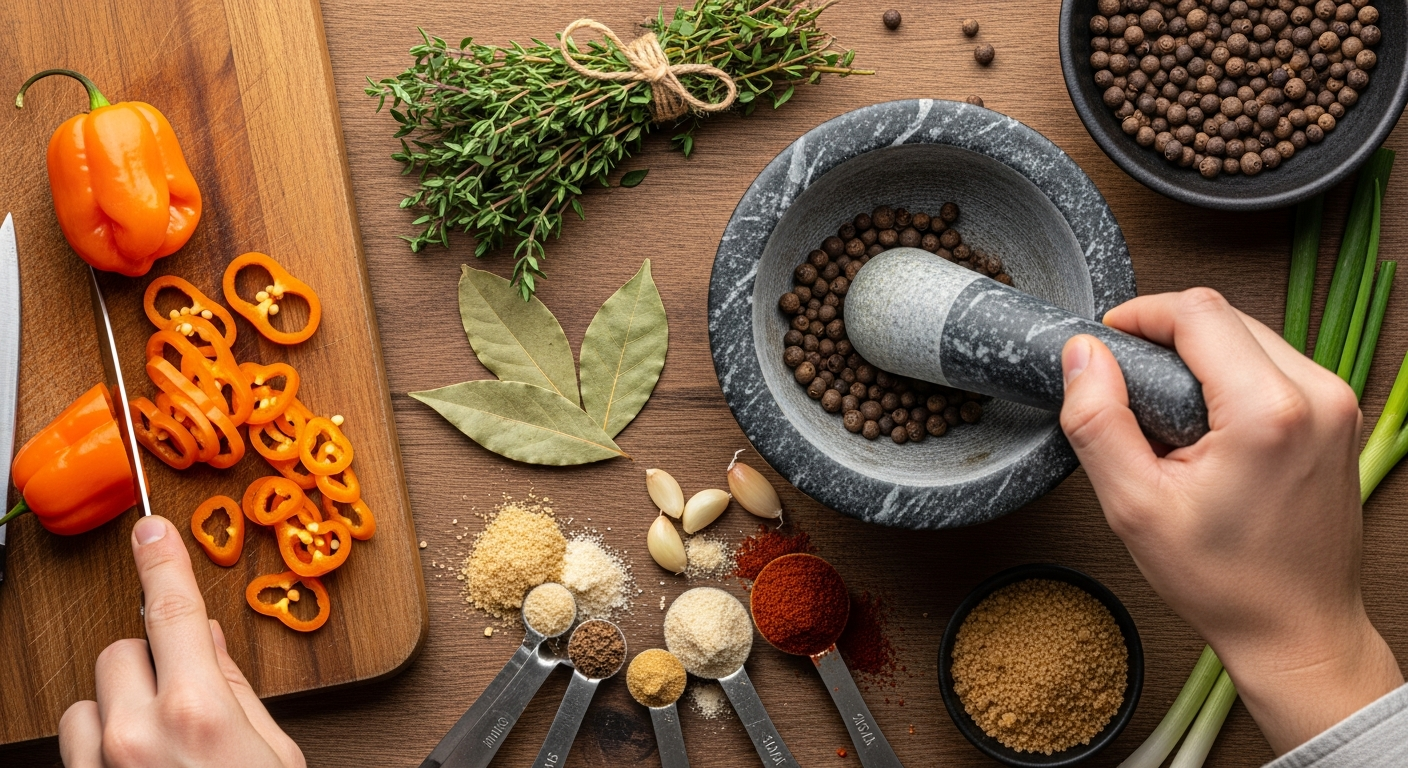
Whether you're buying your first jar or looking to upgrade from a mass-market blend, finding the best jerk seasoning can make the difference between chicken that tastes genuinely Jamaican and one that merely tastes "spicy." This guide evaluates every major brand you can actually buy, breaks down what separates mediocre from exceptional jerk seasoning, and gives you a complete recipe for making your own — which will beat every store-bought option if you're willing to spend five minutes.
What Is Jerk Seasoning?
Jerk seasoning is the signature spice blend of Jamaican jerk cooking — a style of seasoning, marinating, and cooking meat (originally wild boar, now predominantly chicken and pork) over pimento wood fires. The seasoning originated with the Maroon communities of Jamaica in the 17th and 18th centuries and has evolved into one of the most recognized flavor profiles in global cuisine.
Jerk seasoning exists in two forms:
- Dry jerk seasoning — a blend of ground and dried spices that can be used as a dry rub or combined with wet ingredients to form a marinade
- Wet jerk seasoning (paste) — a thick, pungent paste of fresh aromatics (scotch bonnet peppers, scallions, garlic, ginger), spices, and usually soy sauce and vinegar
Both forms deliver jerk flavor, but wet paste generally provides more complexity because the fresh scotch bonnet and aromatic vegetables contribute volatile compounds that dried forms cannot replicate.
Dry vs Wet Jerk Seasoning
The dry vs wet debate is one of the most persistent in jerk cooking discussions. Here is an honest comparison:
| Factor | Dry Jerk Seasoning | Wet Jerk Seasoning (Paste) |
|---|---|---|
| Shelf life | 6–12 months (sealed) | Refrigerated: 3–6 months (commercial); 2 weeks (homemade) |
| Flavor depth | Good — spice-focused | Better — fresh aromatics add complexity |
| Ease of use | Very easy (shake and apply) | Easy but messier |
| Meat penetration | Surface only unless mixed with liquid | Better — oil and acid carry it in |
| Crust/bark formation | Excellent — drier surface | Good — caramelizes on grill |
| Versatility | High — works dry or wet | High — works as marinade, glaze, or dip |
| Best for | Quick weeknight cooking, seasoning vegetables | Overnight marinating, traditional pit cooking |
Verdict: For authentic, deeply flavored jerk, wet paste wins. For convenience and everyday cooking, dry is perfectly fine. Many serious jerk cooks use both — dry for quick applications and wet for dedicated jerk cooking sessions.
Key Ingredients in Great Jerk Seasoning
Not all jerk seasonings are created equal. Here's what to look for in the ingredient list of any brand you're evaluating:
Must-Have Ingredients
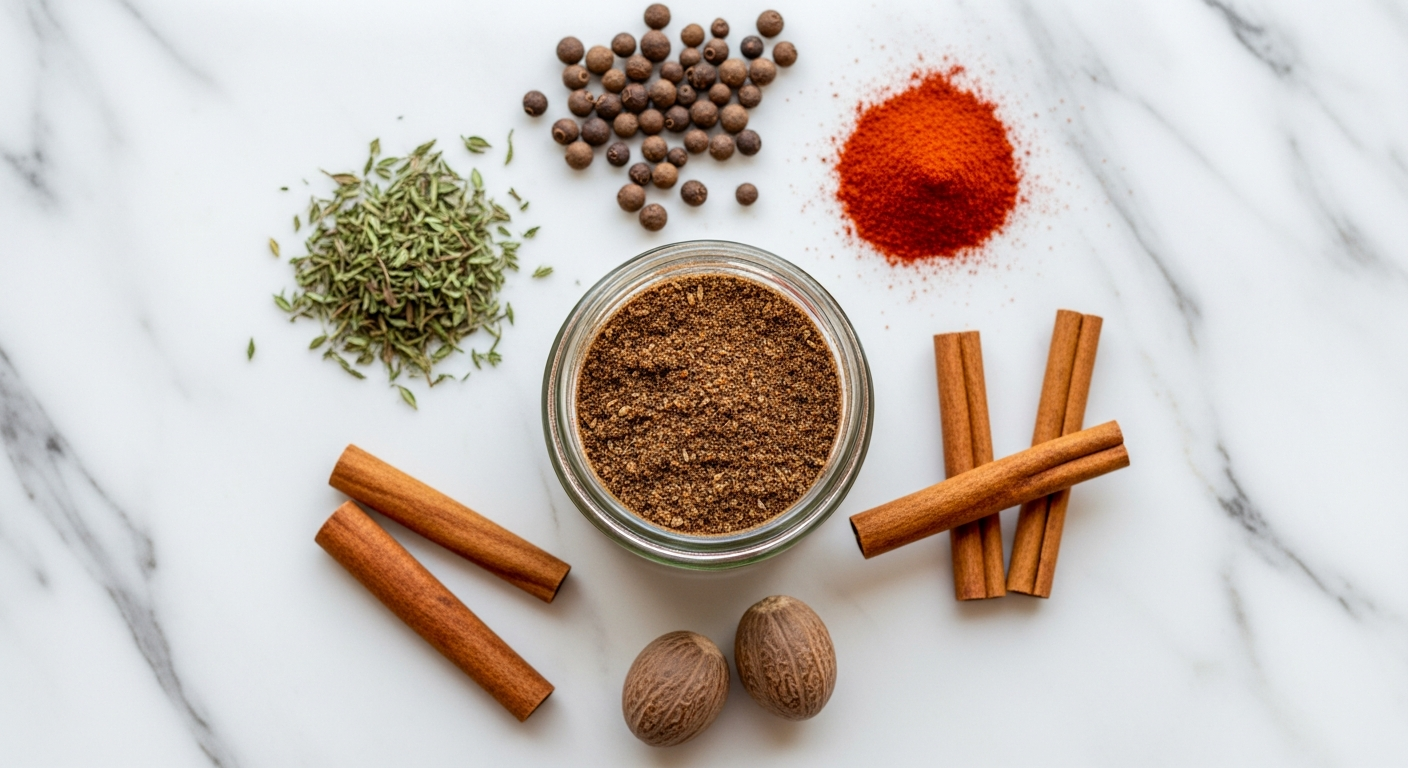
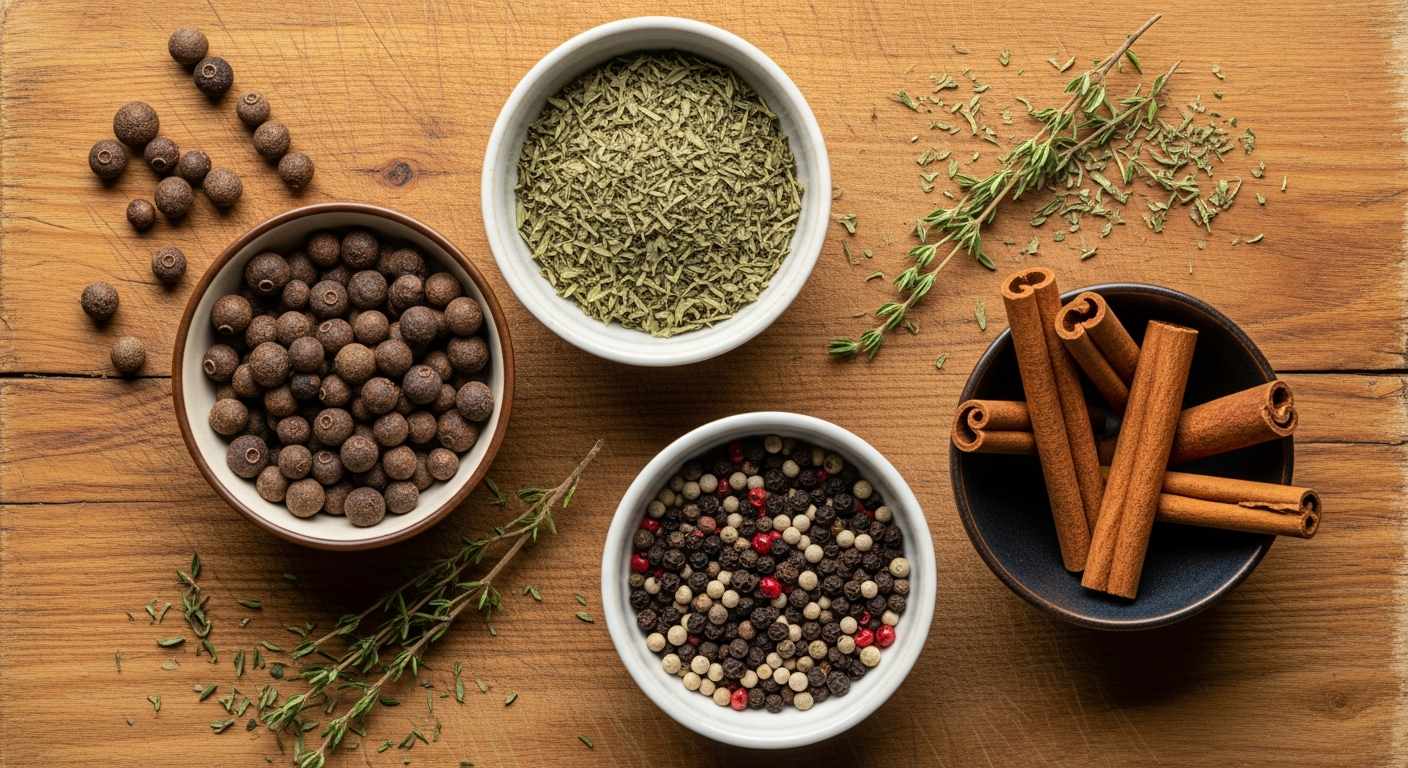
- Allspice (pimento) — should appear early in the list, indicating high relative quantity. This is the defining spice of jerk.
- Scotch bonnet pepper — should be specified, not generic "cayenne" or "chili pepper." Scotch bonnet's fruity note is irreplaceable for authentic flavor.
- Thyme — preferably first in the list of dried herbs; should be present in meaningful quantity.
Quality Indicators
- Cinnamon and nutmeg appear in the ingredient list (warm spice complexity)
- No artificial flavors, colors, or MSG as primary flavor enhancers
- No onion powder listed before allspice (suggests diluted, filler-heavy blend)
Red Flags
- Salt is the first ingredient (more salt than flavor)
- "Jamaican-style" labeling with no Jamaican pepper specified
- Long list of fillers before any identifiable spice
- Absence of allspice entirely (not authentic jerk)
Top 8 Store-Bought Jerk Seasonings Reviewed
1. Walkerswood Traditional Jamaican Jerk Seasoning ⭐⭐⭐⭐⭐
Type: Wet paste | Origin: Made in Jamaica | Available: Hot or Mild
The gold standard for store-bought jerk seasoning. Made in the cockpit country of Jamaica since 1978, Walkerswood uses real scotch bonnet peppers, allspice, scallion, and thyme in a genuinely complex paste. The hot version is authentically spicy — close to how jerk tastes from a Jamaican pit master. The mild version is accessible without sacrificing the flavor integrity. It can be used directly as a marinade or mixed with oil and citrus. Available at major grocery chains and Amazon.
Best for: Chicken, pork, fish | Use: 1–2 tbsp per lb of meat, marinate overnight
2. Grace Jerk Seasoning ⭐⭐⭐⭐½
Type: Wet paste | Origin: Made in Jamaica | Available: Original and Hot
Grace is Jamaica's largest food company and their jerk seasoning is widely available internationally. It has a slightly sweeter, more tomato-inflected profile than Walkerswood, which some find more approachable. Consistent and reliable, it works excellently for chicken and pork. Slightly less complex than Walkerswood but very good for the price.
Best for: Chicken, casual cooking | Use: 2 tbsp per lb, 4+ hours
3. Scotch Bonnet Jerk Seasoning by Caribbean Food Delights ⭐⭐⭐⭐½
Type: Wet paste | Origin: Caribbean | Available: Original only
A lesser-known brand that consistently punches above its weight. More pungent and funky than Grace, with visible herb and spice particles throughout the paste. Excellent allspice-forward flavor. Particularly good on pork and lamb. Available at Caribbean grocery stores and online.
4. Busha Browne's Spicy Jerk Sauce ⭐⭐⭐⭐
Type: Wet sauce (thinner than paste) | Origin: Made in Jamaica
Busha Browne's is one of Jamaica's most storied sauce makers. Their jerk sauce is thinner than Walkerswood or Grace, making it more suitable as a finishing sauce or glaze than a deep marinade. The flavor is complex, slightly smoky, with a pronounced scotch bonnet fruitiness. Excellent for basting during the last stages of grilling.
5. McCormick Gourmet Jamaican Jerk Seasoning ⭐⭐⭐½
Type: Dry blend | Origin: USA | Available: Widely at all supermarkets
The most accessible dry option in mainstream supermarkets. Reasonable balance of spices with allspice, thyme, and cayenne present. However, it lacks the scotch bonnet fruity note and uses more filler spices than the Jamaican pastes. A solid baseline for weeknight cooking when nothing else is available. Best used as a dry rub rather than the sole flavoring agent.
6. The Spice Hunter Jamaican Jerk Seasoning ⭐⭐⭐½
Type: Dry blend | Origin: USA
Slightly better than McCormick in terms of allspice prominence and thyme quantity. Has a good warm-spice backbone. Like all dry American brands, it lacks the fresh scotch bonnet fruity heat of Jamaican paste products. A good option for those who prefer the dry rub method.
7. Trader Joe's Island Soyaki with Jerk ⭐⭐⭐
Type: Liquid marinade | Origin: USA
More of a fusion product than authentic jerk — the soy-teriyaki base dominates. Pleasant but distinctly not authentic Jamaican jerk. Useful for a quick weeknight application if you want something easy and vaguely Caribbean. Should not be considered for authentic jerk recipes.
8. Lawry's Caribbean Jerk Seasoning ⭐⭐⭐
Type: Dry blend | Origin: USA
Widely available and inexpensive. Has reasonable heat and some allspice presence but is heavily salt-forward — salt is first in the ingredient list, which limits flexibility. Use half the recommended amount and supplement with additional allspice and thyme from your spice rack.
Brand Comparison Table
| Brand | Type | Origin | Scotch Bonnet | Heat Level | Allspice Quality | Overall Rating | Best Use |
|---|---|---|---|---|---|---|---|
| Walkerswood | Wet paste | Jamaica | Yes (real) | Hot / Mild | Excellent | ⭐⭐⭐⭐⭐ | All-purpose |
| Grace | Wet paste | Jamaica | Yes | Medium-Hot | Very Good | ⭐⭐⭐⭐½ | Chicken, casual |
| Caribbean Food Delights | Wet paste | Caribbean | Yes | Hot | Very Good | ⭐⭐⭐⭐½ | Pork, lamb |
| Busha Browne's | Wet sauce | Jamaica | Yes | Medium | Good | ⭐⭐⭐⭐ | Basting, finishing |
| McCormick Gourmet | Dry blend | USA | No (cayenne) | Medium | Good | ⭐⭐⭐½ | Quick weeknight |
| The Spice Hunter | Dry blend | USA | No | Medium | Good | ⭐⭐⭐½ | Dry rub |
| Trader Joe's Island Soyaki | Liquid marinade | USA | No | Low | Minimal | ⭐⭐⭐ | Fusion cooking |
| Lawry's Caribbean Jerk | Dry blend | USA | No | Medium | Moderate | ⭐⭐⭐ | Budget option |
Homemade vs Store-Bought
This question deserves a direct answer. Here is the unvarnished truth:
| Factor | Best Store-Bought (Walkerswood) | Homemade |
|---|---|---|
| Flavor complexity | Very good | Superior — fresh peppers, custom ratios |
| Heat control | Limited (hot or mild only) | Complete — use 1 to 6 peppers |
| Freshness | Good (within use-by date) | Better — made day-of or week-of |
| Cost per use | ~$0.50–$1.00 | ~$0.30–$0.60 (bulk spices) |
| Time required | Zero | 5 minutes (dry blend) / 15 minutes (wet) |
| Availability | Caribbean grocery stores, Amazon | Dependent on scotch bonnet availability |
| Customization | None | Complete |
Verdict: If you can get fresh scotch bonnet peppers (Caribbean grocery stores, farmers markets, and increasingly mainstream supermarkets), homemade wins every time. If you cannot, Walkerswood is the best commercial alternative.
How to Make Your Own Jerk Seasoning
Homemade Dry Jerk Seasoning Blend
This takes 5 minutes and keeps for 3 months:
- 2 tbsp ground allspice (pimento)
- 2 tsp dried scotch bonnet or habanero powder
- 1 tbsp dried thyme (rubbed between your palms before adding)
- 1 tsp ground cinnamon
- ½ tsp ground nutmeg
- 1 tsp garlic powder
- 1 tsp onion powder
- 1 tsp black pepper
- ½ tsp ground cloves
- 1 tsp smoked paprika
- 1 tsp brown sugar (or coconut sugar)
- 1 tsp salt
Whisk together, taste, adjust, and store in an airtight jar. Use 1½–2 tsp per pound of meat as a dry rub, or combine with 3 tbsp soy sauce, 2 tbsp oil, and 2 tbsp lime juice per 3 tsp seasoning to make a quick wet marinade.
For the wet paste version using fresh ingredients, see our full guide: homemade jerk spice blend recipe.
How to Use Jerk Seasoning
As a Dry Rub
Pat meat dry with paper towels. Apply dry seasoning generously on all surfaces, pressing it into the meat. Rest 30 minutes minimum at room temperature, or up to 4 hours refrigerated before cooking. This creates an excellent, flavorful crust when grilled or roasted.
As a Wet Marinade
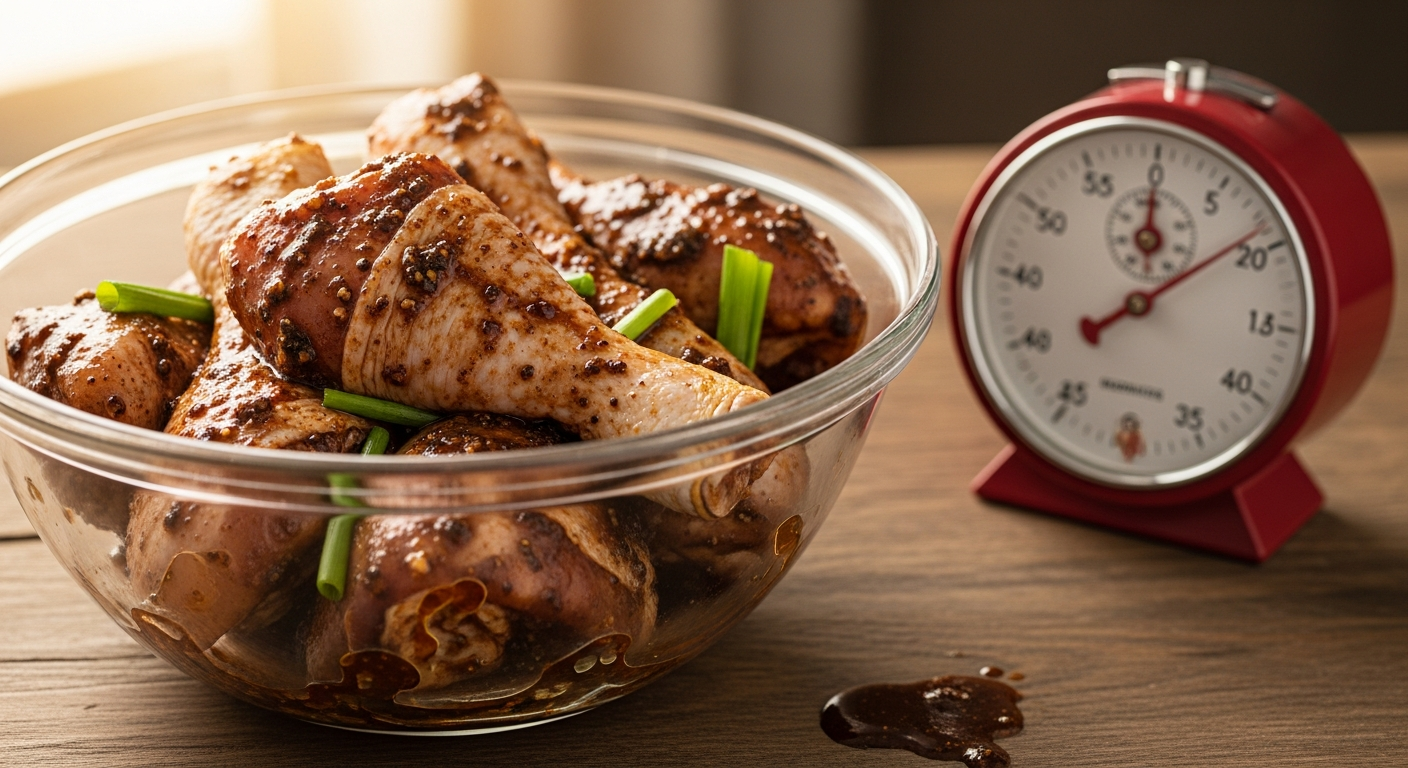
Combine 2 tbsp wet jerk paste (or 1 tbsp dry seasoning) with 2 tbsp oil, 2 tbsp lime juice, and 1 tbsp soy sauce. Score the meat, apply generously, and marinate for at least 4 hours (chicken) or 12+ hours (pork). The liquid components help the seasoning penetrate deeper into the muscle.
As a Basting Glaze
Mix 1 tbsp jerk paste with 1 tbsp honey and 1 tbsp lime juice. Brush onto meat during the last 10–15 minutes of grilling. The sugar caramelizes and creates a sticky, deeply flavorful surface glaze.
As a Sauce Base
Sauté 1 tbsp jerk paste in oil for 2 minutes, then add coconut milk and simmer for a quick jerk cream sauce. Excellent over rice, pasta, or as a dipping sauce for vegetables.
Storing Jerk Seasoning
Proper storage maximizes the potency and shelf life of your jerk seasoning:
- Dry blends: Airtight glass jar, away from heat, light, and moisture. Label with date. Replace after 6 months as allspice and thyme lose potency.
- Wet paste (commercial): Refrigerate after opening. Consume within 3–6 months of opening. Keep sealed when not in use.
- Wet paste (homemade): Refrigerate up to 2 weeks. Freeze in ice cube trays for up to 3 months.
For more detail: storing homemade jerk seasoning tips and how long jerk marinade lasts.
Related Guides
- In-depth jerk seasoning brands comparison
- Making authentic Jamaican jerk seasoning from scratch
- Dry rub vs wet marinade — full technique breakdown
- Authentic Jamaican jerk marinade guide
- Optimal jerk chicken marinade timing